Germany’s Doner Kebab Workers Secure Historic Union Pay Deal: A Turning Point for the Industry
have you ever stopped to consider the journey your favorite doner kebab takes – and the peopel behind it? A recent landmark agreement in Germany is reshaping labor standards within the massive doner kebab industry, offering a glimpse into the evolving rights of food production workers. This isn’t just a story about wages; it’s about recognizing the value of labor and setting a precedent for fair treatment in a sector ofen overlooked.
A long-Simmering Dispute Reaches Resolution
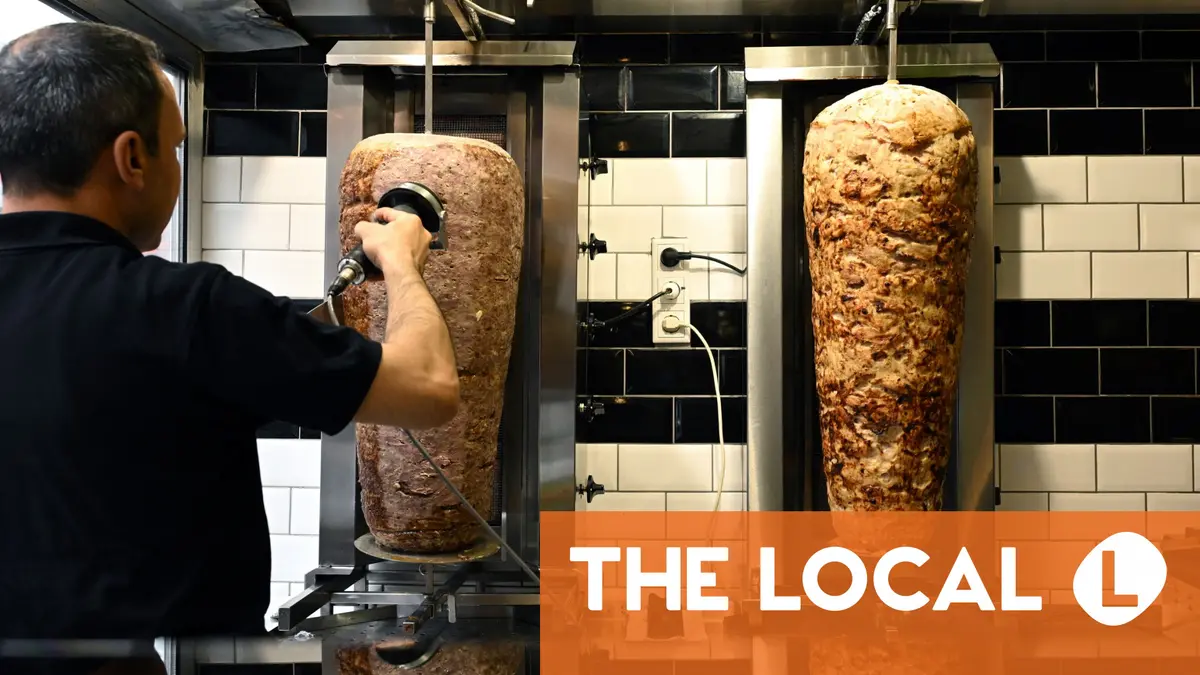
For months, workers at Birtat, one of Germany’s largest doner kebab meat suppliers, have been advocating for improved pay and working conditions. The company, a key provider to approximately 13 million businesses monthly, faced several walkouts as employees voiced concerns over compensation for their demanding work. This work involves meticulously marinating and skewering veal, chicken, and turkey – often in challenging, cold environments.The dispute culminated in a historic collective bargaining agreement finalized on Friday, august 9, 2024, between Birtat’s parent company, Meat World SE, and the NGG food, beverages and catering union. This marks the first union-backed pay deal in the German doner kebab meat industry, signaling a meaningful shift in labor relations.
what Does the Deal Entail?
The agreement outlines substantial improvements for the approximately 120 workers at the Murr, southwest Germany plant. Key provisions include:
starting Salary: A base monthly salary of €2,600 (approximately $3,300 USD). Future Increases: Further salary increases are scheduled to be implemented by the end of 2026.
Industry Precedent: The NGG union emphasizes that this deal “marks the beginning of an important chapter in labor relations” within the sector.
Cihan Karaman, a spokesperson for Meat World SE, expressed the company’s commitment to its employees, stating, “We are convinced that this collective agreement sends an critically important signal…expressing our appreciation for their hard work and dedication.”
The Doner Kebab: A German Culinary Icon with Turkish Roots
The doner kebab’s story is intrinsically linked to migration and cultural exchange. Originating in Turkey, the dish was popularized in Germany by turkish migrant workers in the 1970s. Today, it’s arguably the most popular fast food in Germany, surpassing even the conventional currywurst in many regions.
This widespread popularity has fueled a multi-billion euro industry, yet the workers at its core have historically lacked the protections afforded to those in other food production sectors. This deal aims to rectify that imbalance.
Related: Curious about the recent diplomatic tensions surrounding the doner kebab? Turkey and germany in spicy feud over doner kebab – The Local Germany.
Why This Matters: Beyond the Kebab
This agreement extends beyond just improved wages.It represents a growing awareness of the need for fair labor practices throughout the food industry. It also highlights the increasing power of unions to advocate for workers in traditionally marginalized sectors.
The success of the NGG in securing this deal could inspire similar movements across Germany and beyond,prompting other doner kebab suppliers – and other food processing companies – to re-evaluate their labor practices.
Evergreen Insights: The Future of Food Industry Labor
The doner kebab industry’s evolution mirrors broader trends in the food sector. We’re seeing a growing demand for clarity and ethical sourcing,extending to how food is produced,not just where it comes from.
Expect these trends to accelerate:
Increased Unionization: Workers are increasingly organizing to demand better conditions.
Automation & Labor: The rise of automation will likely reshape job roles and require upskilling initiatives.
consumer Pressure: Consumers are becoming more conscious of the ethical implications of their food choices.
Supply Chain Scrutiny: Greater scrutiny of supply chains will demand accountability from all stakeholders.
Frequently Asked Questions About the Doner Kebab Pay Deal
*Q: What is the