
Germany Reinstates Military Service: A Deep Dive into the New Bundeswehr Law
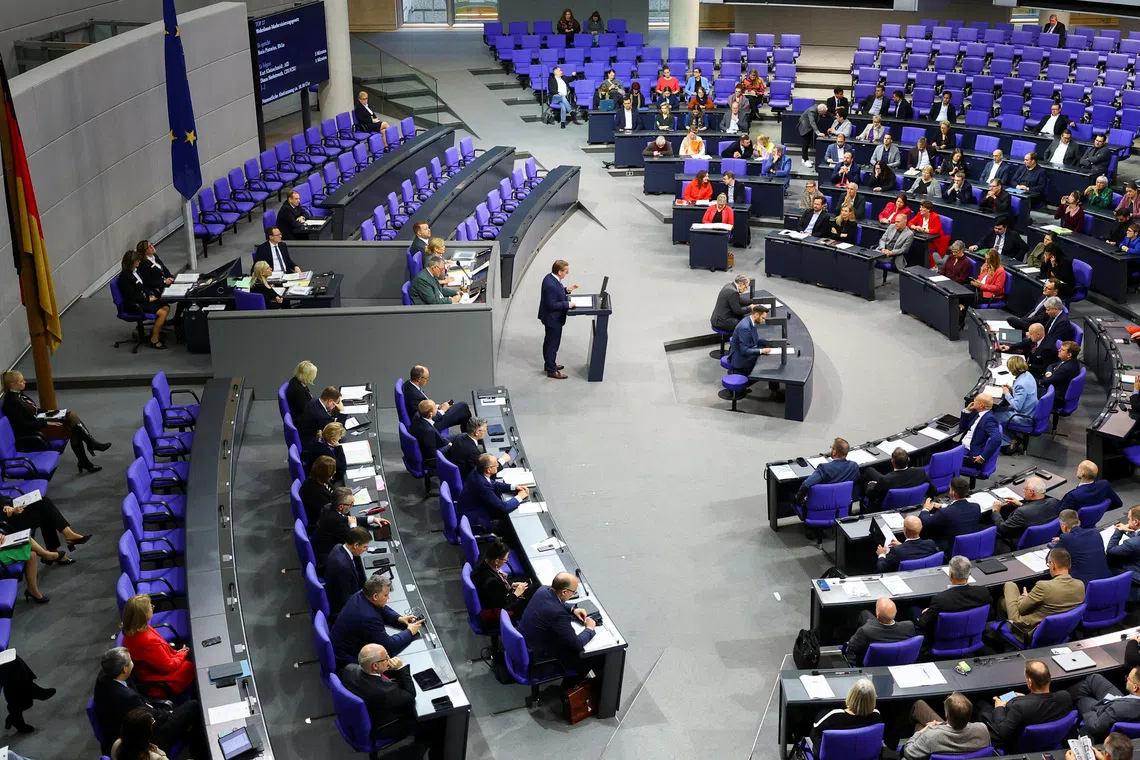
The geopolitical landscape of Europe is shifting, and Germany is responding with a significant overhaul of its military structure. on December 5th, 2024, the German parliament approved a landmark law reinstating a form of military service, marking a pivotal moment in the nation’s defense policy. This isn’t a simple return to the past; it’s a complex, dual-track system designed to bolster the Bundeswehr – the German armed forces – and meet escalating NATO obligations amidst heightened tensions with Russia. This article will dissect the new legislation,its implications,and how it fits into the broader European security context.
Understanding the Shift: Why Now?
For years,Germany has faced pressure to increase its defense spending and personnel. The Russian invasion of Ukraine in febuary 2022 served as a stark wake-up call, exposing vulnerabilities and accelerating the need for a stronger, more capable military. Recent data from the Stockholm International Peace Research Institute (SIPRI) shows a significant increase in european military expenditure, with Germany being a key contributor to this trend. https://www.sipri.org/ The new law is a direct response to this urgency, aiming to address critical manpower shortages and prepare for potential future conflicts.
The Dual-Track System: Voluntary Service & Needs-Based Conscription
The core of the new legislation lies in its two-pronged approach. Firstly, it introduces a considerably enhanced voluntary military service program. This aims to attract young Germans with improved financial incentives and career prospects. The government hopes this will be the primary method of filling the ranks.
However, recognizing the potential for insufficient voluntary enlistment, the law also introduces a system of needs-based conscription. This is where the controversy lies. If voluntary recruitment falls short of targets, the Bundestag (German Parliament) can vote to activate conscription.This wouldn’t be a blanket draft; instead, it would involve a selective process, potentially utilizing a lottery system among eligible citizens.
The legislation sets ambitious goals: increasing the Bundeswehr to 260,000 active soldiers and 200,000 reservists by 2035 – a substantial leap from the current 183,000 active personnel. To facilitate this, all men born after January 1, 2008, will undergo mandatory medical evaluations. While both men and women will be asked to indicate their willingness to serve, only men are legally obligated to respond to the request. This aspect of the law has sparked debate regarding gender equality.
European Trends: A Continent Re-arming?
Germany isn’t acting in isolation. Across Europe, there’s a growing recognition of the need for stronger defense capabilities. France, Italy, and Belgium are all expanding their voluntary service programs. Meanwhile, Nordic and Baltic states – particularly those bordering Russia - are strengthening or reintroducing mandatory military conscription. This pan-European trend underscores the shared concern over Russian aggression and the evolving security landscape. The recent increase in defense budgets across the continent, as reported by the European Defence Agency, further validates this shift. https://eda.europa.eu/
Addressing Common Concerns & Practical Implications
Many questions surround the implementation of this new law. Here are some key points:
* What triggers conscription? A seperate vote in the Bundestag is required to activate needs-based conscription.This ensures parliamentary oversight and public debate.
* who is eligible for conscription? Initially, all men born after January 1, 2008, will undergo medical evaluations. Eligibility will be determined based on health and other criteria.
* What are the service options? The law provides for both customary military service and service in non-combat roles, such as medical or logistical support.
* What about conscientious objectors? Provisions exist for individuals who object to military service on conscientious grounds. Alternative civilian service options will be available.
* **How


