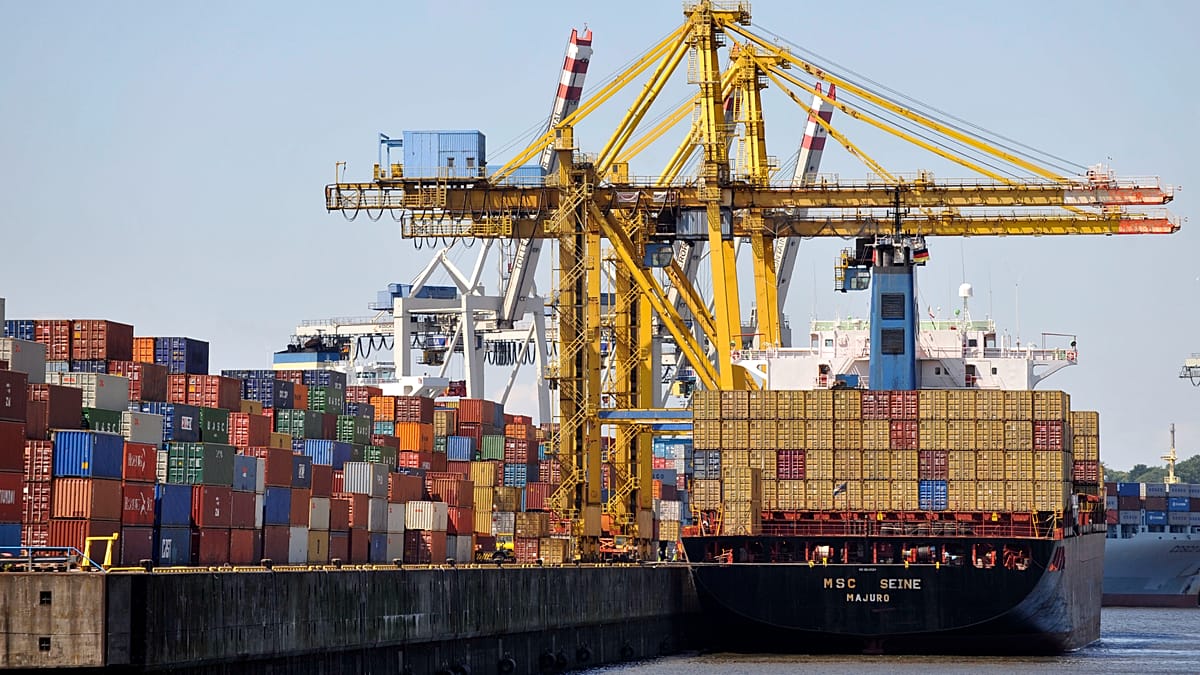
German Trade Surplus Narrows as Import Strength Outpaces Export Gains
Germany’s tariffs-tubulent-times/” title=”Trade facilitation helps trade adapt in turbulent times”>trade surplus continued to shrink in September 2025, falling to €15.3 billion – its lowest level since October 2024. This decline signals a shifting dynamic in the German economy,driven by stronger-than-expected import growth exceeding export performance. Let’s break down the key factors influencing this trend and what it means for the future of German trade.
September Trade Data: A Closer Look
Preliminary data released by the Federal Statistical Office (Destatis) revealed the following:
* Exports: Rose 1.4% month-on-month to €131.1 billion.
* Imports: Jumped 3.1% to €115.9 billion.
* Trade Surplus: Decreased to €15.3 billion, down from €16.9 billion in August and €18.0 billion a year prior.
* Economist Expectations: The surplus fell short of anticipated projections of €16.9 billion.
Over the first nine months of 2025, total exports reached €1.18 trillion, a 0.7% increase year-over-year.However, imports surged by 4.8% to €1.03 trillion, indicating a weakening trend in germany’s overall trade balance.
Import Momentum: Fueling Domestic Demand
The data suggests robust domestic demand within Germany, even amidst a mixed global economic landscape.This is primarily driven by increased imports, particularly from key partners:
* Non-EU Countries: Imports rose 5.2% month-on-month.
* China: Increased by 6.1% to €14.6 billion – remaining Germany’s largest supplier.
* United States: Saw a significant jump of 9.0% to €8.7 billion.
* United Kingdom: Experienced a surge of 20% to €3.6 billion.
Export Performance: Mixed signals
While German exports showed a modest recovery, the picture is nuanced.
* Overall Recovery: Exports increased by 2.0% compared to September 2024.
* US Rebound: Exports to the U.S.rebounded by 11.9% after five months of contraction, but remain 7.4% below September 2024 levels.Lingering effects from previous tariffs continue to impact this trade relationship.
* UK Growth: Exports to the UK rose 7.1% to €7.0 billion.
* China Decline: Shipments to China decreased by 2.2% to €6.7 billion, remaining 11.9% below year-ago levels.
crucially, Germany’s trade surplus continues to be largely supported by commerce within the European Union. Exports to EU member states increased by 2.5% to €74.3 billion, while imports rose by a smaller 1.2% to €59.3 billion.
expert Analysis: A Cautious Outlook
carsten Brzeski, Global Head of Macro at ING, characterized the September trade figures as evidence of a small rebound in the German economy following the summer months. However, he cautioned that the export increase is insufficient to signal a broader, sustained recovery.
Brzeski highlighted several key points:
* below Pre-Crisis Levels: German export volumes remain below levels seen before the “Liberation Day” and considerably under March 2025 figures.
* Structural Shifts: A declining share of trade with both the United States and China is reshaping Germany’s export landscape.
* shrinking Market Share: The U.S. now accounts for just 9.5% of Germany’s total exports, down from 10.5% a year earlier. China’s share has fallen even more dramatically to 5%, compared to nearly 8% in pre-pandemic years.
Challenges and Future Outlook
German exporters continue to face significant headwinds. U.S.tariffs remain a persistent drag on exports, and their full impact is yet to be realized.
As Brzeski notes, envisioning a near-term return of exports as a key driver of