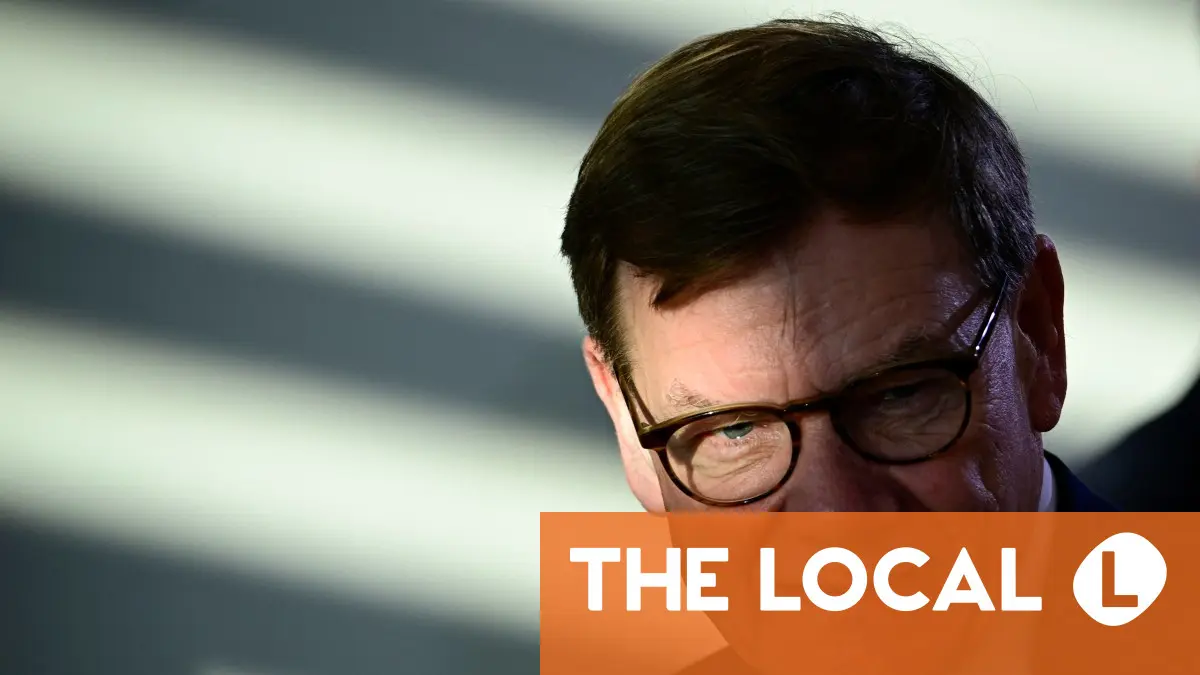
US Visa Bans Spark Diplomatic Row: Germany Condemns Targeting of EU Tech Figures
The United States’ decision to deny visas to prominent figures involved in European tech regulation has ignited a diplomatic dispute, with Germany leading the condemnation. This move,framed by Washington as a response to perceived “censorship crackdowns,” has raised serious questions about transatlantic relations and the future of digital governance. Are these visa bans a legitimate defense of free speech, or an overreach of US power?
What Happened?
On Tuesday, the US State Department announced sanctions targeting individuals instrumental in the EU’s Digital Services Act (DSA). This includes Thierry Breton, former EU Commissioner for Internal Market, and key personnel from the German non-profit HateAid. The US accuses them of promoting censorship that impacts American speakers and companies.
Specifically, the State Department labeled Breton the ”mastermind” behind the DSA, a landmark regulation designed to hold social media platforms accountable for illegal and harmful content. Anna-Lena von Hodenberg and Josephine ballon of HateAid, a trusted flagger for DSA enforcement, were also included in the ban.
Germany’s Strong Response
German Foreign Minister Johann Wadephul swiftly denounced the visa bans as ”not acceptable.” He emphasized that the DSA is a democratically enacted EU law intended for use within the European Union, and does not extend extraterritorial reach. This firm stance underscores Germany’s commitment to its digital sovereignty and its disagreement with the US approach.
HateAid itself characterized the US decision as an “act of repression,” accusing the management of disregarding the rule of law and attempting to silence critics. They affirmed their dedication to fighting for human rights and freedom of expression, refusing to be intimidated.
The Context: Escalating Tensions & The DSA
This isn’t an isolated incident. The US actions follow a recent €3.5 million fine levied by Brussels against Elon Musk’s X (formerly Twitter) for violating DSA rules regarding transparency and user verification.This suggests a growing friction between the US and the EU over the regulation of online content.
What is the digital Services Act (DSA)?
* A comprehensive set of rules for online platforms operating in the EU.
* aims to create a safer digital space by addressing illegal content, disinformation, and harmful practices.
* Requires platforms to be more clear about their algorithms and content moderation policies.
* Empowers users with greater control over their online experience.
The DSA’s focus on content moderation and platform accountability clearly clashes with the US’s traditionally strong emphasis on free speech,even when that speech is harmful or misleading.
Beyond Germany & The EU: Who Else Was Targeted?
The US visa ban extends beyond European figures. It also includes:
* Imran Ahmed: Founder of the Center for Countering Digital Hate, a UK-based nonprofit fighting online hate speech.
* Clare Melford: Leader of the Global Disinformation Index, another UK-based organization focused on identifying and combating disinformation.
This broader targeting suggests the US is taking aim at organizations actively working to counter harmful content online, regardless of their location.
What Does This Mean for You?
These developments have significant implications for the future of the internet and your online experience.
* Increased Regulatory Divergence: Expect further clashes between the US and the EU over digital regulation.
* Potential Impact on Free Speech: The debate raises basic questions about the balance between free speech and the need to protect individuals from harm online.
* Data Privacy Concerns: Differing approaches to data privacy and content moderation could create challenges for international data flows.
Evergreen Insights: The Evolving Landscape of Digital Governance
The core issue at play here isn’t simply about visa bans; it’s about a fundamental disagreement on how the internet should be governed. For decades, the US championed a largely unregulated internet, prioritizing free speech above all else. However, the rise of social media and the spread of disinformation have forced a re-evaluation of this approach.
The EU, with its emphasis on fundamental rights and consumer protection, has taken a more proactive role in regulating online platforms. This divergence reflects differing cultural values and political priorities. The future will likely see a multi-polar internet, with different regions adopting different regulatory models. Understanding these evolving dynamics is crucial for navigating the digital world.
Frequently Asked Questions
1. What is the primary keyword?
The primary keyword is “US visa bans” or variations like “US

![Lou Reed, Ramones & Green Day: Inside Story of Music Producer [Name]](https://i0.wp.com/consequence.net/wp-content/uploads/2025/12/Howie-Klein-Lou-Reed.jpg?resize=150%2C150&ssl=1 "Lou Reed, Ramones & Green Day: Inside Story of Music Producer [Name]")