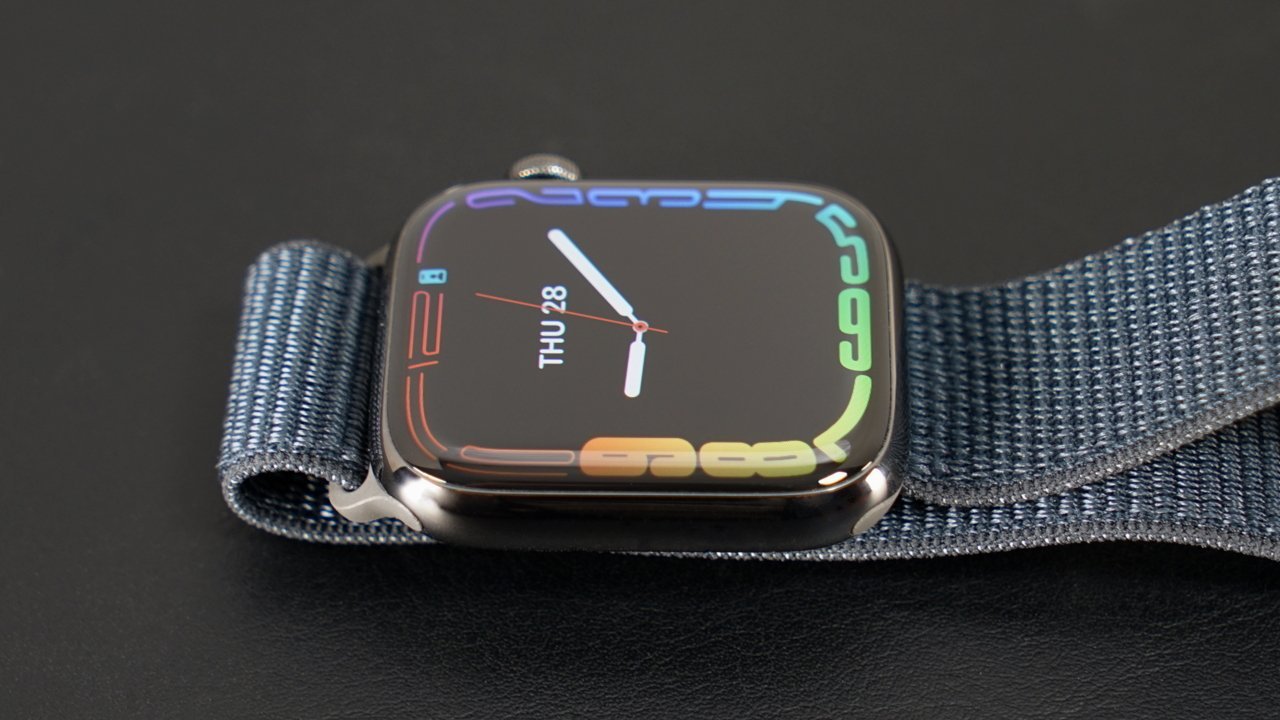
Apple Watch Carbon Neutrality Claim Challenged: What You Need to Know
Have you ever wondered if your tech purchases truly live up to environmental promises? The concept of a “carbon neutral” product is gaining traction, but recent legal challenges reveal a complex reality. A German court has delivered a meaningful blow to Apple, ruling that its claim of carbon neutrality for the Apple Watch is unfounded and violates competition law. This decision has far-reaching implications for green marketing and consumer trust.This isn’t just about one smartwatch. it’s about the integrity of sustainability claims across the tech industry. Let’s dive into the details,explore the controversy,and understand what this means for you as a conscious consumer.
The Core of the Dispute: Offsetting and “Climate Washing”
Apple initially declared the Apple Watch Series 9 carbon neutral in 2023. This claim hinged on the company’s investment in carbon offsetting projects, specifically a reforestation initiative in Paraguay involving eucalyptus trees on leased land. Though, European environmental groups and a Chinese research organization quickly raised concerns, labeling Apple’s assertion as “climate washing” – a deceptive practice of exaggerating environmental benefits.
The Frankfurt regional court agreed. The ruling centers on the validity of these offsetting schemes.The court found that Apple hadn’t adequately demonstrated the long-term effectiveness of the Paraguay project in neutralizing the Apple Watch’s entire carbon footprint.this raises critical questions about the reliability of carbon offsetting as a pathway to genuine environmental responsibility.
Understanding Carbon Offsetting & Its Challenges
Carbon offsetting involves investing in projects that reduce or remove carbon dioxide from the atmosphere to compensate for emissions elsewhere. While a valuable tool, it’s fraught wiht challenges:
Additionality: Ensuring the project wouldn’t have happened without the offsetting funds.
Permanence: Guaranteeing the carbon remains sequestered for the long term (e.g., forests can burn down). Leakage: Preventing emissions from simply shifting elsewhere.
Verification: Independent auditing to confirm actual carbon reductions.
These complexities are precisely what the German court scrutinized,finding Apple’s evidence insufficient.
Implications for Apple and the Tech Industry
This ruling forces Apple to perhaps revise its advertising and marketing materials. More broadly, it sets a precedent for stricter scrutiny of environmental claims within the tech sector. Companies can no longer rely on vague promises of carbon neutrality without robust,verifiable evidence.
According to a recent report by the Carbon Market Institute (November 2023), the voluntary carbon market is projected to reach $450 billion by 2030, highlighting the growing importance – and potential for misuse – of these schemes. https://carbonmarketinstitute.org/
What does this mean for you? You should be skeptical of broad “carbon neutral” claims and look for detailed data about the offsetting projects used.
Beyond Offsetting: A Holistic Approach to Sustainability
True sustainability goes beyond simply offsetting emissions.Apple,and other tech companies,should focus on:
Reducing Emissions at the Source: Optimizing manufacturing processes,using renewable energy,and designing products for longevity.
Circular Economy Principles: Designing for repairability, recyclability, and material reuse.
Supply Chain Clarity: Tracking and reducing emissions throughout the entire supply chain.
lasting Materials: Utilizing recycled and responsibly sourced materials.
Apple has made strides in some of these areas, such as powering its operations with 100% renewable energy. However, this ruling underscores the need for a more thorough and obvious approach.
Addressing Common Questions About Apple’s Carbon Footprint
here are answers to some frequently asked questions:
Q: What exactly is the carbon footprint of an Apple Watch?
A: The carbon footprint includes emissions from manufacturing, materials sourcing, transportation, use, and end-of-life disposal.
Q: Can Apple still claim some environmental benefits for the Apple Watch?
A: Yes, Apple can highlight its efforts to reduce emissions in specific areas, but it cannot broadly claim carbon neutrality without verifiable proof.Q: What are “environmental groups” saying about this ruling?
A: Groups like Greenpeace have praised the decision, calling it a victory for consumer protection and a warning to companies engaging in greenwashing.Q: Is this ruling applicable outside of Germany?
A