
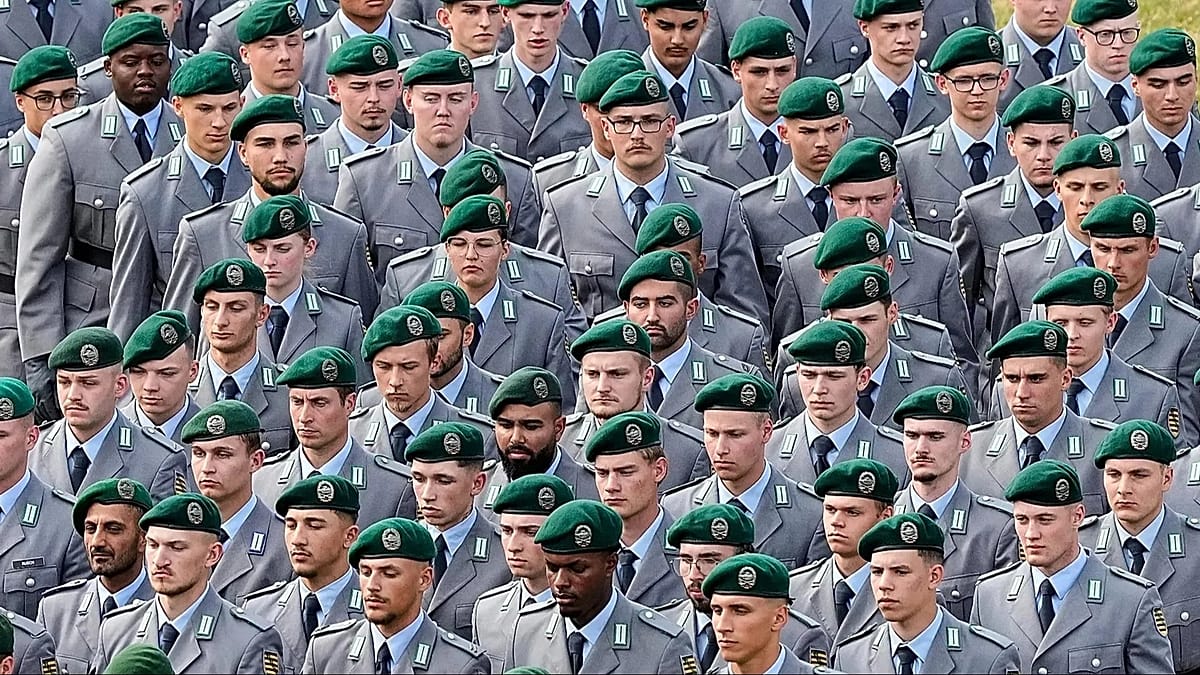
Germany Revives Military Service: A Phased Approach to National Defense
Germany is embarking on a significant shift in its defense strategy, reintroducing a form of national service designed to bolster the Bundeswehr (Federal Armed Forces) and meet growing security challenges in Europe. This move, spearheaded by Federal Defense Minister Boris Pistorius, isn’t a simple return to Cold War-era conscription, but a carefully phased approach prioritizing voluntary service before potentially enacting compulsory measures. This article provides a thorough overview of the new model, its rationale, implementation, and potential future implications.
The Rationale: Addressing Personnel Shortfalls and European Expectations
The impetus for this change stems from a confluence of factors. Europe, notably in light of the conflict in Ukraine, is looking to Germany not just for financial and material support, but also for a demonstrable commitment to its own defense capabilities. As Pistorius emphasized, the expectation is for Germany to contribute significantly to personnel strength alongside providing weaponry and funding.
For years, the Bundeswehr has struggled with personnel shortages, hindering its ability to fully meet its national and NATO obligations. While modernization efforts are underway,a robust and well-trained military requires sufficient manpower. This new initiative aims to address this critical gap, ensuring Germany can effectively “defend ourselves,” as stated by Spahn, and contribute to collective European security.
Phase 1: The Voluntary Push (2024-2026)
The initial phase, already underway, focuses on encouraging voluntary service. Beginning in January, approximately 700,000 young people born in 2008 or later are being contacted for registration and initial medical screenings. This is a crucial first step in identifying potential recruits and gauging interest in military or civil defense roles.
Importantly,while women are also being contacted and encouraged to participate,they are not currently obligated to respond. This reflects ongoing debate regarding gender equality in military service, a complex issue that remains under discussion. The emphasis remains on attracting motivated individuals through the appeal of voluntary service. Pistorius remains “very confident” that this phase will be sufficient to meet personnel needs.
Phase 2: Compulsory Service as a Backstop (2027 Onward)
However, the plan acknowledges the possibility that voluntary recruitment may fall short. A separate law is in place to activate compulsory service if the Bundeswehr fails to reach its targets through voluntary means. This isn’t a blanket return to conscription, but a carefully considered mechanism designed to ensure Germany can meet its defense commitments.
Matthias Miersch, the SPD parliamentary group leader, clarifies that the process is structured in “two phases,” with voluntary service taking precedence.If voluntary efforts prove insufficient, the Bundestag will be required to revisit the legislation and initiate a new legislative procedure.
Selection Criteria for Compulsory Service: A nuanced Approach
Should compulsory service be implemented,the selection process will be far from random. Pistorius outlined a comprehensive set of exemption criteria designed to minimize disruption and ensure fairness. These include:
* Family Circumstances: Exemptions for individuals with two brothers already in basic military service.
* professional Roles: Exemptions for police officers and those already committed to civil defense roles.
* Conscientious Objection: Recognition of the right to conscientious objection.
* health & Fitness: Medical screenings will determine suitability for service.
Pistorius emphasized that these criteria will “significantly” reduce the pool of individuals eligible for conscription, with a selection procedure only being used as a “last resort” after all other avenues have been tired. Crucially, conscription will not be steadfast by lottery.
The Digital Component: Mandatory Online questionnaire (2026)
A key component of the new system is a mandatory online questionnaire for all men,beginning in 2026. This questionnaire will gather essential information regarding health, fitness, education, and willingness to serve. Women and individuals identifying as non-binary will be able to complete the questionnaire voluntarily. This digital data collection will streamline the registration and assessment process, allowing for more efficient identification of potential recruits.
Political Dynamics and Coalition Agreements
The agreement to revive military service wasn’t without its internal political negotiations. The CDU/CSU successfully advocated for making the increase in bundeswehr personnel binding, a position initially resisted by Pistorius and the SPD.This compromise reflects the broader consensus among the coalition partners - CDU, CSU, and SPD – that strengthening the military is a national priority.
While the SPD initially opposed an automatic return to compulsory service, the current framework provides a clear pathway for its implementation if necessary. Targets and goals for personnel numbers up to 2035



![Toxic Town: How [Company Name] Poisoned a Community | Environmental Disaster & Lawsuit](https://i0.wp.com/therealnews.com/wp-content/uploads/2025/12/Livestream-3-13-2025-2025-12-17T103253.164.jpg?resize=330%2C220&ssl=1 "Toxic Town: How [Company Name] Poisoned a Community | Environmental Disaster & Lawsuit")


