
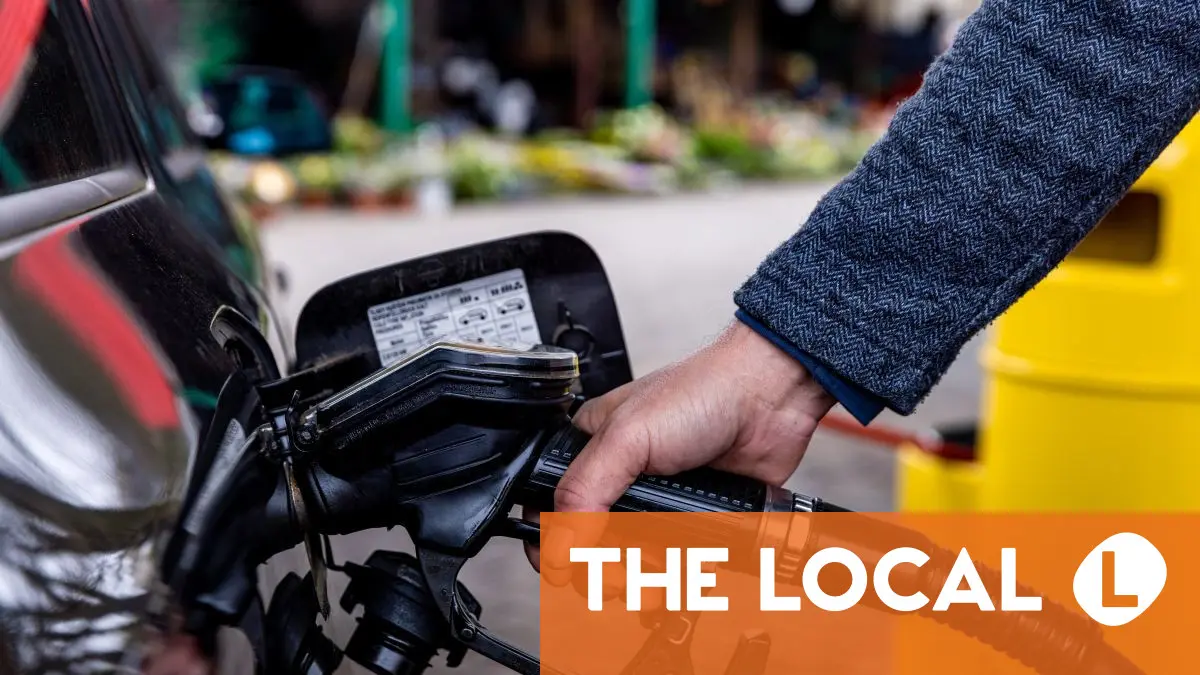
Germany is moving to shield its citizens and businesses from a severe energy price shock, announcing a temporary package of fuel tax cuts and employee relief measures. The move comes as the country grapples with soaring petrol and diesel costs driven by escalating conflict in the Middle East and geopolitical instability.
Chancellor Friedrich Merz announced on Monday, April 13, 2026, that the government will implement a Germany announces tax cuts and employee bonuses for fuel price relief strategy to lower the cost of transport and energy. The center-right and center-left coalition, comprising the Christian Union parties (CDU/CSU) and the Social Democrats (SPD), is stepping in to absorb fuel taxes for a limited window to prevent further economic strain on households.
The decision follows a sharp surge in global oil prices, exacerbated by the collapse of peace talks between the U.S. And Iran and a subsequent decision by U.S. President Donald Trump to blockade the Strait of Hormuz. Chancellor Merz identified the war in the Middle East as the “root cause” of the domestic economic pressures currently facing Germany, warning that the conflict will likely have long-lasting economic consequences according to reports from The Local.
As part of this broader reform package, the government is not only targeting the pump but also providing direct financial flexibility for workers through tax-free bonuses and proposing structural changes to the national health insurance system.
Fuel Tax Reductions and Immediate Impact
The centerpiece of the emergency relief is a significant reduction in the energy tax on both petrol and diesel. Chancellor Merz stated that the tax on these fuels will drop by approximately 17 cents (about 20 US cents) per liter via DW. This measure is designed to be temporary, spanning a period of two months to provide immediate breathing room for motorists and logistics companies.

The German government expects oil companies to pass these tax savings directly to consumers at the pump. However, the urgency of the measure is underscored by the fact that fuel prices have been decreasing only slowly, leaving costs high for the average driver. The intervention is specifically aimed at mitigating the “oil price shock” that has seen prices hit all-time highs.
Employee Relief Bonuses and Broader Reforms
Recognizing that high energy costs erode disposable income, the black-red coalition is also introducing “relief bonuses.” Policy makers plan to enable employers to provide tax- and duty-free bonuses to their employees throughout the year as detailed by The Local. This allows companies to support their staff’s cost of living without the burden of additional payroll taxes.
Beyond immediate fuel and wage relief, the government’s Monday announcement included a wider set of policy goals. This comprehensive package includes:
- A timeline for overhauling the statutory health insurance system.
- Responses to European Union auto policy.
- Broader tax cuts intended to stimulate economic resilience.
These measures reflect a coordinated effort by the coalition government to stabilize the economy while Berlin continues to work toward bringing the conflict in the Middle East to an complete.
Key Takeaways of the Relief Package
| Measure | Detail | Duration/Scope |
|---|---|---|
| Fuel Tax Cut | ~17 cents per liter (petrol/diesel) | Two months |
| Employee Bonuses | Tax-free ‘relief bonuses’ | Current year |
| Health Insurance | System overhaul timeline | Pending implementation |
Wider Disruptions in Germany
The economic pressure from energy costs coincides with other domestic challenges. On the same day as the tax announcement, Germany faced significant transportation disruptions due to a Lufthansa pilot strike. Flights at major hubs, including Frankfurt and Munich airports, experienced heavy delays and cancellations on Monday and Tuesday. The disruptions also extended to the carrier’s subsidiary, Eurowings according to DW.
These simultaneous crises—rising energy costs and labor unrest in the aviation sector—highlight the volatile economic environment the Merz administration is currently navigating.
The German government will continue to monitor oil prices and the geopolitical situation in the Middle East to determine if further interventions are required beyond the initial two-month tax window. Official updates regarding the health insurance overhaul and the specific legal frameworks for the tax-free employee bonuses are expected as the reform package progresses.
World Today Journal encourages readers to share this report and leave comments below regarding how global energy fluctuations are affecting your region.