Ghana Invests in Multi-Modal Transport Future: Coastal Waterways, “Okada” Regulation & Modernized DVLA Lead the Charge
Ghana is embarking on a notable modernization of its transportation infrastructure, aiming to alleviate congestion, improve efficiency, and unlock new economic opportunities. This comprehensive strategy, spearheaded by the Ministry of Transport, encompasses a forward-looking coastal water transport system, a pragmatic approach to regulating motorcycle and tricycle (“Okada”) transport, and ample improvements to the Driver and Vehicle Licensing Authority (DVLA). These initiatives reflect President John Dramani Mahama’s vision for a robust and interconnected national transport network.
Coastal Water Transport: A New Economic Corridor
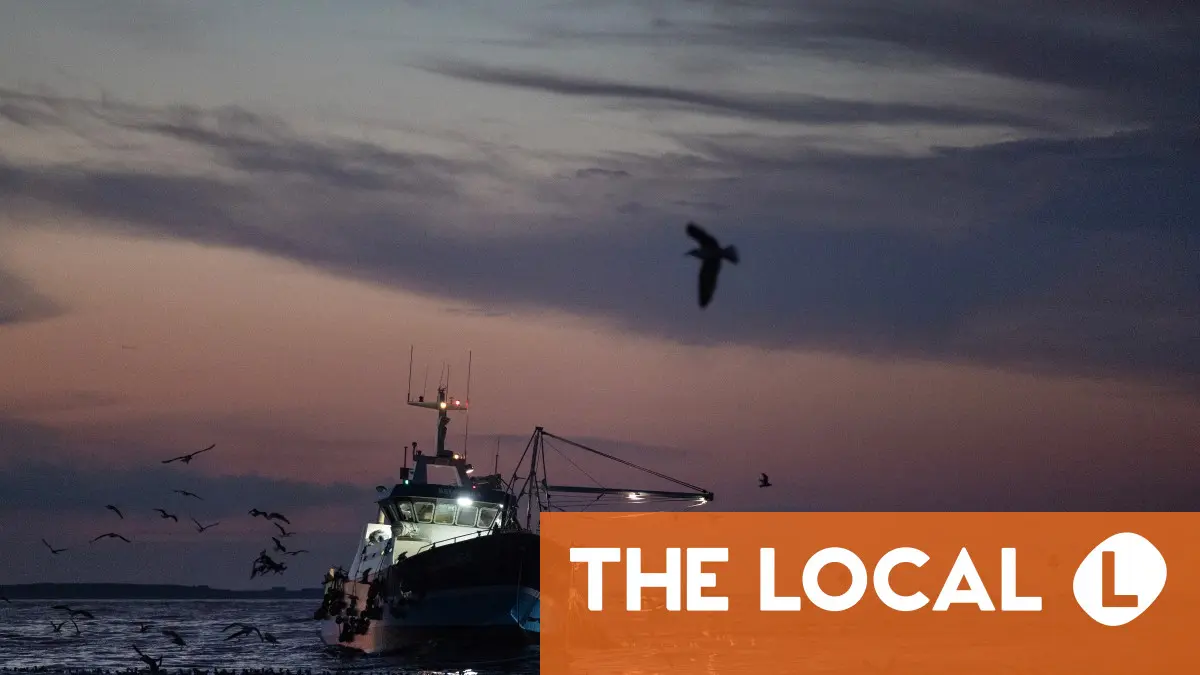
Recognizing the limitations of an over-reliant road network, the government is prioritizing the progress of a Coastal Water Transport System.Feasibility studies are slated to begin shortly, with a clear focus on attracting private sector investment – both domestic and international. This isn’t simply about adding another mode of transport; it’s about creating a new economic corridor along Ghana’s coastline.
“We are commissioning a feasibility study to explore the potential in the private sector in the coastal water transport system,” stated Transport Minister Joseph Bukari Nikpe during a recent Government Accountability Series press conference. The project is anticipated to considerably reduce travel times, lower logistics costs for businesses, and stimulate tourism and trade in coastal communities. Expressions of interest will be advertised soon, encouraging qualified firms to participate in shaping this vital infrastructure project.
Addressing the “Okada” Reality: Regulation for Safety and Economic Inclusion
For years, motorcycles and tricycles - commonly known as “Okada” – have filled a critical gap in Ghana’s transport landscape, particularly in areas underserved by conventional public transport. Acknowledging this reality, the government is moving to legalize and regulate this sector, rather than continue with outright prohibition.
This pragmatic approach involves amending the Road Traffic Act 2004 (Act 683) and the Road Traffic regulations 2012 (LI 2180) to establish a clear legal framework for ”Okada” operations. Extensive stakeholder consultations have already been completed, and Cabinet has approved the proposed amendments, which are now awaiting parliamentary consideration. This move demonstrates a commitment to balancing public safety with the economic needs of a significant segment of the population. The goal is to integrate “okada” into the formal transport system, ensuring rider training, vehicle standards, and insurance coverage.
DVLA Modernization: 24/7 Service & Expanded Accessibility
The Driver and Vehicle Licensing Authority (DVLA) is undergoing a significant change to enhance service delivery and support the government’s broader economic initiatives, including the 24-Hour Economy Policy. A key component of this modernization is the introduction of 24-hour service at select locations, starting with a newly opened, state-of-the-art operational office at the Adenta Bus Terminal in Accra.
This expansion doesn’t stop there. Since May,the DVLA has commissioned four new offices in adenta,Bawaleshie,Asamankase,and Akwatia,with two more planned for Dorma and Bechim later this month. these strategically located offices aim to bridge service gaps and bring DVLA operations closer to citizens in previously underserved areas. This commitment to accessibility and convenience is a cornerstone of the government’s efforts to improve the overall citizen experience.
A Holistic Approach to Transport Modernization
These initiatives – the coastal water transport system, the regulation of “Okada,” and the DVLA modernization – are not isolated projects. They represent a holistic and integrated approach to modernizing Ghana’s transport sector.
Furthermore, the government recently negotiated a 15% reduction in public transportation fares, effective May 24th, providing much-needed relief to commuters while maintaining the operational viability of transport operators. this reduction reflects positive economic indicators, including declining fuel prices.
Minister Nikpe emphasized that these reforms are designed to reduce congestion, enhance safety, and provide more efficient mobility options for all Ghanaians. The development of the Coastal Water Transport System, in particular, is expected to significantly ease pressure on the road network and unlock new economic potential for coastal communities.
Looking Ahead:
Ghana’s commitment to transport modernization signals a proactive approach to infrastructure development and economic growth. By embracing innovation, fostering private sector participation, and prioritizing citizen needs, the country is positioning itself for a more connected, efficient, and prosperous future.
Key elements incorporated to achieve E-E-A-T and SEO goals:
* Expertise: The rewrite demonstrates a clear understanding of the transportation sector, policy implications, and economic benefits. it goes beyond simply reporting facts and provides context and analysis.


![Wednesday News: Latest Updates & Headlines – [Date]](https://assets.thelocal.com/cdn-cgi/rs:fit:1200/quality:75/plain/https://apiwp.thelocal.com/wp-content/uploads/2025/12/watermarks-logo-Arisdorf_Baerenfels_Gold_1_1.jpg@webp "Wednesday News: Latest Updates & Headlines – [Date]")
![Wednesday News: Latest Updates & Headlines – [Date]](https://assets.thelocal.com/cdn-cgi/rs:fit:1200/quality:75/plain/https://apiwp.thelocal.com/wp-content/uploads/2025/12/watermarks-logo-AFP__20190103__1BY3RT__v1__MidRes.jpg@webp "Wednesday News: Latest Updates & Headlines – [Date]")