
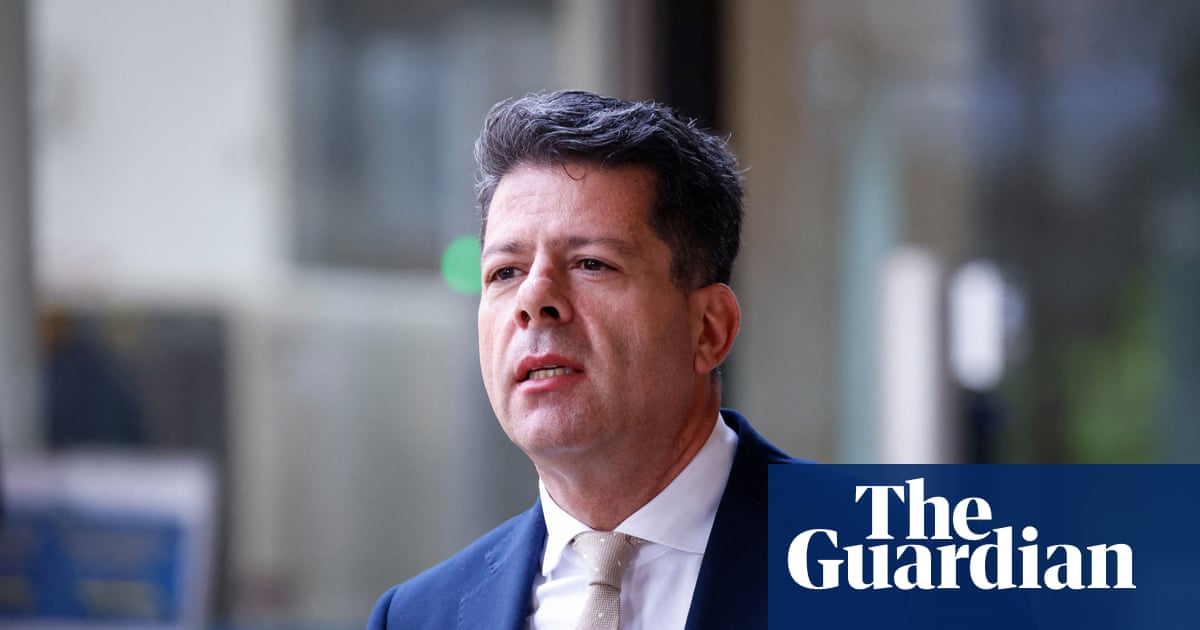
Gibraltar’s Political Storm: Inquiry Reveals Pressure on Police Commissioner Amidst Conflict of Interest Concerns
Teh political landscape of gibraltar has been rocked by the findings of an autonomous inquiry into the forced retirement of former Police Commissioner Ian McGrail in May 2020. the report, penned by retired judge Sir Peter Openshaw, paints a troubling picture of potential interference, conflicts of interest, and a breakdown in proper procedure at the highest levels of government. This analysis delves into the key findings, their implications, and the ongoing debate surrounding the events.
The Core of the Controversy: A warrant and Allegations of Hacking
The crisis stemmed from a police request for a search warrant targeting prominent lawyer Jonathan Levy and, crucially, then-Chief Minister Fabian Picardo. The warrant related to serious allegations: hacking and sabotage of Gibraltar’s national security intelligence system, and a conspiracy to defraud Bland Ltd, the company operating that system, for the benefit of 36 North Limited.
Adding a important layer of complexity, Hassans, the law firm where Levy was a partner, held a one-third stake in 36 North limited. Picardo and Levy also possessed equity interests in the company thru the firm. this web of financial connections immediately raised concerns about potential conflicts of interest.
Openshaw’s Damning Assessment: Protecting a Friend, Not Gibraltar
The inquiry’s most pointed criticism centers on Picardo’s actions in the wake of the warrant application.Openshaw unequivocally rejected Picardo’s claim that he was acting to protect Gibraltar’s reputation. Instead, the judge concluded that Picardo’s primary motivation was to shield his long-time friend and “mentor,” Jonathan Levy, from the consequences of the warrant’s execution and potential scrutiny of his communications.
The report details concerning behavior, including Picardo sharing confidential details with Levy’s legal counsel – specifically, insights into the Director of Public Prosecutions’ advice on the warrant and internal police disciplinary regulations seemingly aimed at discrediting McGrail and the senior investigating officer. Openshaw described this as “sinister.”
A High Risk of Conflicting Interests
Openshaw highlighted the “very high risk” of Picardo’s duties as Chief Minister clashing with his personal and business ties to Levy. This inherent conflict, the report suggests, heavily influenced the events that followed.
No Direct Interference, But a Clear Campaign of Pressure
While the inquiry found no direct interference with the police’s planned search of Hassans on May 12th, it did establish a clear pattern of pressure on McGrail. Picardo and the then-interim Governor, Nick Pyle, publicly expressed a loss of confidence in McGrail, citing issues like his handling of a maritime incident. However,Openshaw resolute the real reason was the warrant application against Levy and Picardo,and a belief that mcgrail had misled him.
The report reveals Picardo believed McGrail had explicitly stated the DPP advised applying for the warrant – a claim McGrail didn’t make “in clear and unambiguous terms.” the judge found Picardo’s decision to force McGrail out was “in part based on a misunderstanding,” but a misunderstanding fueled by suspicion and a desire to protect a friend.
McGrail’s Forced Retirement: A Case of Procedural Failures
Crucially, Openshaw concluded that McGrail’s retirement wasn’t voluntary. he was, in effect, “being forced out” due to the loss of confidence from Picardo and Pyle, but crucially, because proper procedures weren’t followed. The inquiry found a failure to adequately investigate McGrail’s serious allegations of political interference.
While Openshaw acknowledged that correcting these procedural irregularities might have altered the outcome for McGrail, he stopped short of definitively stating it would have.
Picardo’s Response and the Ongoing Debate
Picardo has maintained his innocence,claiming the report “exonerated” the government,emphasizing the finding of no direct interference. tho, this interpretation is widely contested. The report’s findings of a conflict of interest,inappropriate information sharing,and a campaign of pressure on the Police Commissioner paint a far more nuanced – and damaging – picture.
Implications and the Future of Governance in Gibraltar
This inquiry serves as a stark reminder of the importance of transparency, accountability, and upholding the independence of law enforcement. The findings raise serious questions about the integrity of governance in Gibraltar and the potential for undue influence when personal and political interests collide.
The report’s recommendations, if implemented, could lead to significant reforms in how conflicts of


