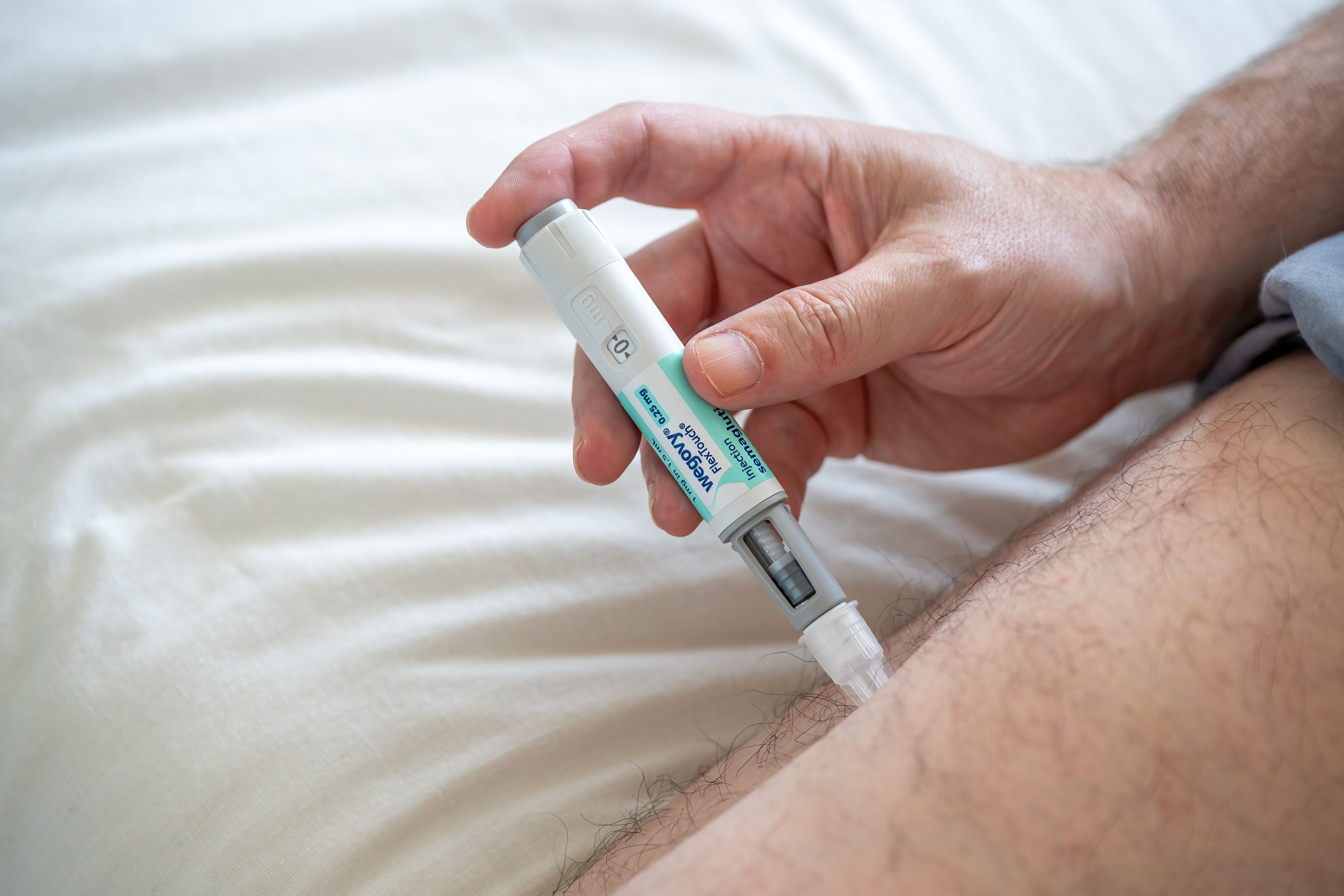
The Emerging Role of GLP-1 Receptor Agonists in Addressing Alcohol Use Disorder: What Pharmacists Need to Know
The burgeoning use of GLP-1 receptor agonists (GLP-1s) – initially heralded for their efficacy in weight management and diabetes care – is now sparking significant interest in a surprising new area: the treatment of substance use disorders, particularly Alcohol Use Disorder (AUD). Recent research suggests these medications may offer a novel approach to reducing heavy drinking and cravings, prompting a crucial conversation within the pharmacy profession. This article delves into the current evidence, implications for pharmacists, and the critical need for further investigation.
Beyond Weight Loss: A serendipitous Discovery
The initial clues linking GLP-1s to reduced alcohol consumption weren’t sought intentionally.Thay emerged from a study (NCT03232112) evaluating exenatide in patients with AUD. While the overall trial didn’t demonstrate superiority to placebo, a closer look at the data revealed a compelling trend.Patients with a Body Mass Index (BMI) of 30 or higher experienced a significant reduction in heavy drinking days – a 45% decrease compared to 15% in the placebo group. Furthermore, alcohol intake was considerably lower, with a reduction exceeding 2200 grams compared to 378 grams in the placebo arm.
This observation was pivotal. It prompted researchers to focus on BMI as a potential factor influencing GLP-1 efficacy in AUD,and later,inclusion criteria for future trials began to reflect this finding.
Neurobiological Mechanisms at Play
The benefits aren’t merely behavioral. Brain scans conducted during the exenatide trial offered a glimpse into the underlying neurobiological mechanisms. Researchers observed a statistically significant reduction in alcohol cue reactivity in the treatment group. Specifically,they noted a decrease in dopamine transporter availability,suggesting a modulation of the brain’s reward pathways associated with alcohol seeking. This is a crucial finding, as dysregulation of the dopamine system is a core feature of addiction.
Real-World Signals and Recent Clinical Trials
The initial findings were further bolstered by anecdotal evidence gleaned from social media analysis. Users of semaglutide and tirzepatide frequently reported reduced alcohol cravings, fewer drinking days, and lower scores on the Alcohol use Disorders Identification Test (AUDIT). They also described diminished effects from alcohol when they did consume it.
More recently, a randomized clinical trial investigated semaglutide in patients with AUD not actively seeking treatment, but already utilizing the medication for weight loss. Over a 9-week period, participants reported reductions in heavy drinking days, drinks per drinking day, and weekly cravings. Interestingly, these positive effects were observed nonetheless of BMI, suggesting a broader potential application than initially anticipated. Notably, the trial also documented a reduction in cigarette use, hinting at a possible impact on other addictive behaviors.
What This Means for pharmacists: A Growing Role
As frontline healthcare professionals, pharmacists are uniquely positioned to observe and respond to this evolving landscape. However, it’s crucial to emphasize that GLP-1 receptor agonists are not currently approved for the treatment of substance use disorders. Further rigorous clinical trials are essential before expanding their use to this indication.
Currently,the most promising patient population appears to be individuals with AUD,rather than those struggling with other SUDs. Pharmacists should be aware of this nuance as they counsel patients.
Beyond Medication: A Holistic Approach
It’s vital to remember that medication is only one piece of the puzzle. Substance use disorders are complex, chronic conditions requiring a multimodal treatment approach. pharmacists should reinforce the importance of combining GLP-1 therapy (when appropriate and prescribed for its approved indications) with evidence-based therapies such as counseling, support groups, and behavioral interventions.
Patient Safety and Monitoring: A Pharmacist’s Obligation
Given the potential for side effects, particularly gastrointestinal (GI) disturbances, pharmacists play a critical role in patient safety. Here are key monitoring recommendations:
* Baseline Assessment: Obtain serum creatinine,body weight,and BMI at the initiation of therapy.
* Ongoing Monitoring: Reassess body weight and BMI at each follow-up visit.
* Adverse event Vigilance: Closely monitor patients for pancreatitis, especially those with a history of alcohol use. Be alert for signs of dehydration and GI side effects.
* Medication Adherence: Address potential barriers to adherence, including side effects and cost.
Ultimately, ensuring patients are tolerating the