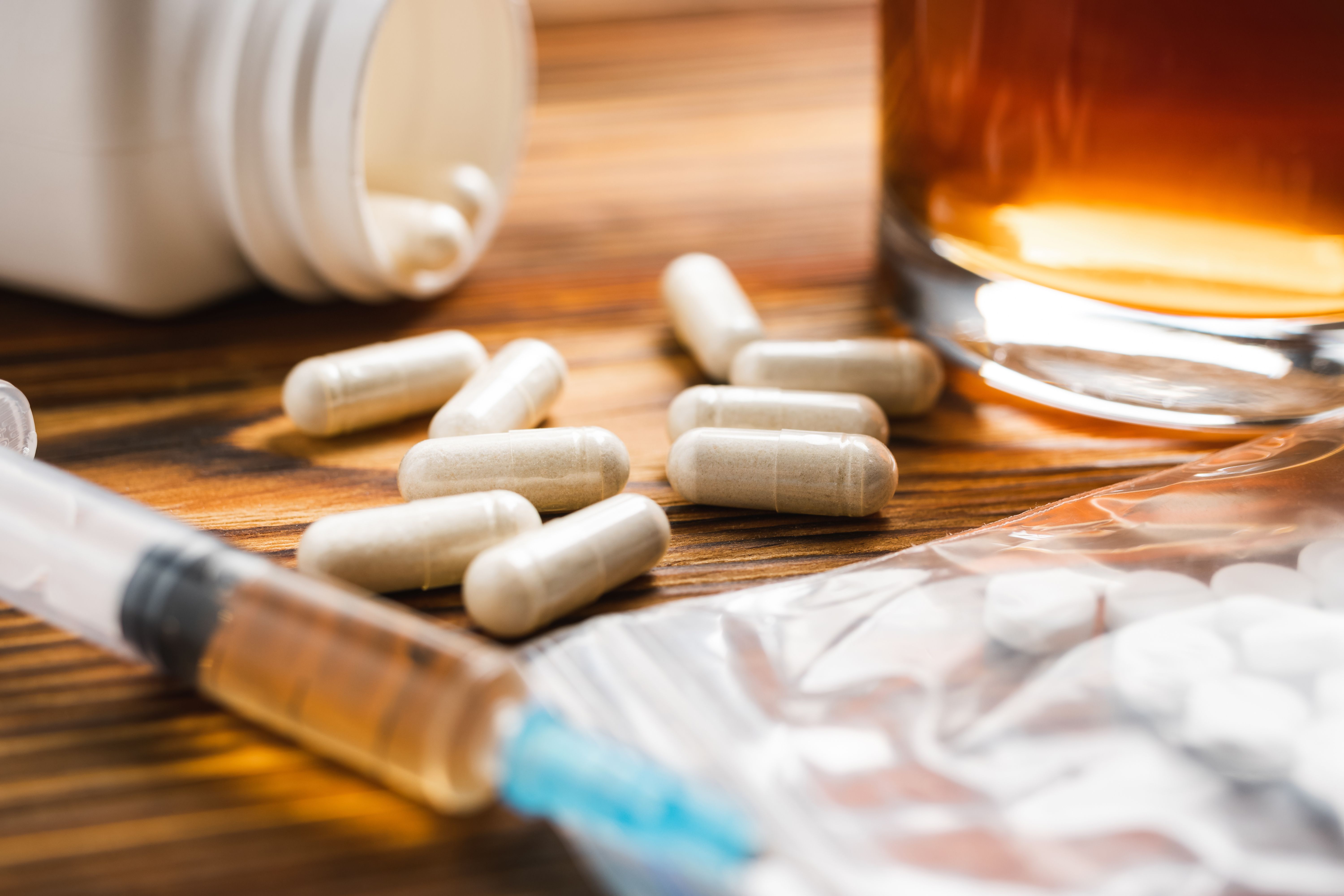
Beyond Weight Loss: Could GLP-1 Medications Offer New Hope for Addiction Treatment?
For years, the fight against alcohol and substance use disorders (ASUDs) has been hampered by limited, often ineffective treatment options. Now, a growing body of research suggests a surprising potential ally: GLP-1 receptor agonists – medications initially developed for type 2 diabetes and weight management, like Ozempic and Byetta. This article dives into the emerging science, exploring how these drugs might revolutionize addiction care.
The Scope of the Problem: ASUDs in the US
The statistics are sobering. According to the 2023 National Survey on Drug Use and Health, over 46 million adults and 2.2 million adolescents struggle with ASUDs. This encompasses a range of substances, including alcohol, cannabis, prescription medications, and opioids.
Specifically:
* 28.1 million adults experienced Alcohol Use Disorder (AUD).
* 757,000 adolescents also battled AUD.
* Less than 25% of individuals with ASUDs receive any treatment.
* Under 2% receive medication specifically for AUD.
These numbers highlight a critical gap in care, and underscore the urgent need for innovative solutions. Many individuals may not even recognize the connection between their symptoms and an underlying ASUD, emphasizing the importance of awareness among healthcare providers.
Why GLP-1s? The Unexpected Connection
Traditionally viewed as separate issues, addiction and obesity are increasingly understood to share common biological pathways. Neuroscience, neuroimaging, and clinical studies reveal overlapping mechanisms in the brain that drive both compulsive behaviors – whether it’s overeating or substance seeking.
This is where GLP-1s come in. As researchers have discovered, “Pathways implicated in addiction also contribute to pathological overeating and obesity.” Could targeting these shared pathways offer a dual benefit?
The Evidence: What Does the Research Say?
Early research is promising, though still evolving. here’s a breakdown of what we’re seeing in both alcohol and opioid use disorders:
Alcohol Use Disorder (AUD):
* Exenatide (Byetta): A trial showed no overall effect on alcohol intake, but a subgroup of patients with co-occurring obesity experienced reduced consumption.
* Semaglutide (Ozempic): Low doses demonstrated a decrease in alcohol self-administration, drinking frequency, and cravings.
Opioid Use Disorder (OUD):
* Animal Studies: GLP-1s have shown the ability to lower self-administration of opioids like heroin, fentanyl, and oxycodone, and reduce relapse-like behaviors.
* Tobacco Use Disorder: Preliminary findings suggest GLP-1s can lower daily cigarette consumption and mitigate weight gain after quitting.
These findings are exciting, but it’s crucial to remember that much of the research is still in its early stages. However, the potential is undeniable. As Dr. Lorenzo Leggio notes, “Finding new and better treatments is critically crucial to help people live healthier lives.”
How Do GLP-1s Work in the Context of Addiction?
While the exact mechanisms aren’t fully understood, several theories are emerging:
* Reward Pathway Modulation: GLP-1s appear to influence the brain’s reward system, possibly reducing the pleasurable effects of substances.
* Craving Reduction: By impacting brain circuits involved in motivation and impulse control, GLP-1s may help diminish intense cravings.
* Improved Self-Regulation: GLP-1s can promote feelings of fullness and satiety, potentially aiding in overall self-regulation – a skill frequently enough impaired in individuals with asuds.
What Does This Mean for You?
If you or someone you know is struggling with addiction, this research offers a glimmer of hope. While GLP-1s aren’t a magic bullet, they represent a potentially valuable addition to the treatment toolkit.
Critically important Considerations:
* Talk to Your Doctor: Discuss whether GLP-1s might be appropriate for your specific situation. These medications are not currently approved for addiction treatment, so off-label use would be considered.
* Comprehensive Care is Key: GLP-1s should be used in conjunction with traditional therapies like counseling, support





![Best Protein Bars (20g+ Protein) – Top Picks & Reviews [Year]](https://i0.wp.com/www.eatthis.com/wp-content/uploads/sites/4/2025/12/shutterstock_1241683663.jpg?resize=330%2C220&ssl=1 "Best Protein Bars (20g+ Protein) – Top Picks & Reviews [Year]")