Beyond Blood Sugar: How Eating Behaviors Impact GLP-1 RA Success in Type 2 Diabetes
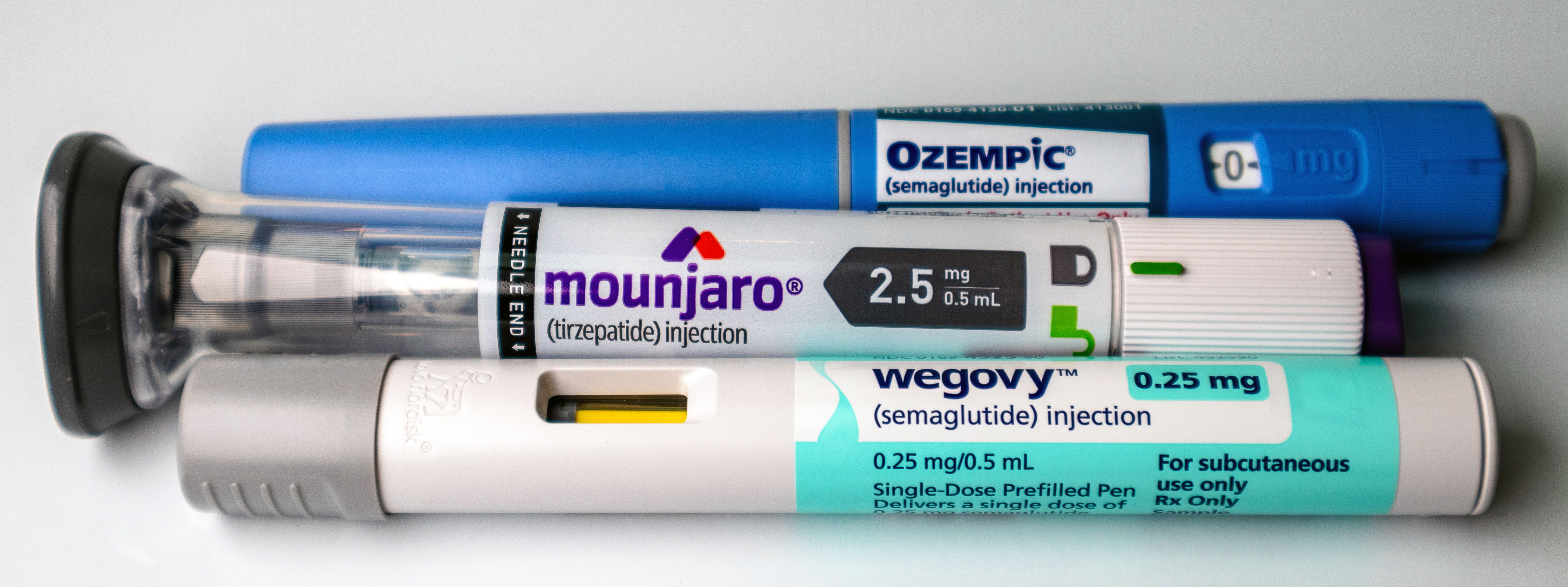
Teh rise of GLP-1 receptor agonists (GLP-1 RAs) like Ozempic and Wegovy has revolutionized the treatment of type 2 diabetes (T2D), offering significant improvements in glycemic control and weight management. however, individual responses to these medications vary considerably.Emerging research suggests that how a person eats – their eating behaviors – plays a crucial role in determining the success of GLP-1 RA therapy.A recent multicenter, prospective observational study conducted across four institutions in Japan sheds light on this complex interplay, offering valuable insights for clinicians and patients alike.
The Study: Uncovering the Link Between Eating Psychology and Treatment Outcomes
Published in Frontiers in Clinical Diabetes and Healthcare, the study followed individuals newly initiating GLP-1 RA therapy, meticulously tracking changes in key clinical parameters – HbA1c, body weight, and body fat percentage – over a 12-month period. Researchers utilized a validated Food Frequency questionnaire to assess dietary intake and the Japanese version of the Dutch Eating Behavior Questionnaire (DEBQ) to categorize eating behaviors. This allowed for a nuanced understanding of psychological factors influencing food choices.
The DEBQ identifies three key eating behavior patterns:
* External Eating: Consuming food triggered by external cues like the sight or smell of appealing food, or simply because food is available.
* emotional Eating: Eating in response to negative emotions, using food as a coping mechanism.
* Restrained Eating: Consciously restricting food intake in an attempt to control weight.
Key Findings: External Eating Predicts Greater Success
The study confirmed the efficacy of GLP-1 RAs in improving metabolic outcomes. However, the most compelling finding centered on eating behaviors. Researchers observed a sustained reduction in external eating scores throughout the 12 months.Interestingly, while emotional and restrained eating showed initial dips, these changes were not sustained.
Crucially, individuals with higher baseline external eating scores experienced substantially greater weight loss and a trend towards improved glycemic control. This suggests that those more susceptible to eating based on external cues may benefit most from GLP-1 RA therapy.
“One possible clarification is that emotional eating is more strongly influenced by psychological factors which may not be directly addressed by GLP-1 receptor agonist therapy,” explains Dr. Takehiro Kato, clinical lecturer at Gifu University and a study co-author. “Individuals with prominent emotional eating tendencies may require additional behavioral or psychological support to maximize treatment benefits.”
Why This Matters: Personalizing T2D Treatment
This research underscores the limitations of a purely pharmacological approach to T2D management. While GLP-1 RAs address the physiological aspects of appetite and glucose regulation, they don’t necessarily address the underlying psychological drivers of eating behavior.
The findings suggest a potential for personalized medicine in T2D. Identifying patients with high external eating tendencies before initiating GLP-1 RA therapy could help clinicians:
* Set Realistic Expectations: Patients with this profile may be primed for a more substantial response.
* optimize Treatment Plans: Combining GLP-1 RA therapy with behavioral interventions targeting external eating cues could further enhance outcomes.
* Identify Patients Needing Additional Support: Those with significant emotional or restrained eating may benefit from concurrent psychological counseling or therapy.
Study Limitations and Future Directions
The researchers acknowledge the study’s limitations,including its observational design (preventing definitive causal conclusions),potential for self-reporting bias,and the possibility that the cohort comprised highly motivated individuals. These factors limit the generalizability of the findings.
As Dr.Yabe,the lead researcher,notes,”Further evidence is necessary before these findings can be implemented in clinical practice. Should future large-scale or randomized controlled trials validate this relationship, incorporating simple behavioral assessments could become a valuable component in optimizing treatment strategies.”
The Bottom Line: A Holistic Approach to T2D Management
This study represents a significant step towards a more holistic understanding of GLP-1 RA therapy in T2D. It highlights the importance of considering individual eating behaviors – and the psychological factors that drive them – when developing and implementing treatment plans. By integrating behavioral assessments into clinical practice, healthcare professionals can perhaps unlock the full therapeutic potential of these powerful medications and improve outcomes for individuals living with type 2 diabetes.
References:
- Koide Y,Kato T,Hayashi M,et al. Association between eating behavior patterns and the therapeutic efficacy of GLP-1 receptor agonists in individuals with type 2 diabetes: a multicenter prospective observational study. Frontiers in Clinical Diabetes and Healthcare. published online September 17,2025. doi:10



![Young Women & Early Detection: Why Screening Guidelines Miss the Mark [PODCAST]](https://i0.wp.com/s35601.pcdn.co/wp-content/uploads/2020/06/rohog.png?resize=330%2C220&ssl=1 "Young Women & Early Detection: Why Screening Guidelines Miss the Mark [PODCAST]")
![AI in Healthcare: Freeing Clinicians From Admin Tasks | [Your Brand]
OR
Clinician Burnout & AI: Reclaiming Patient Time | [Your Brand]
OR
AI Automation in Healthcare: Focus on Patient Care | [Your Brand]](https://i0.wp.com/hitconsultant.net/wp-content/uploads/2025/12/Joan-Harvey.jpeg?resize=330%2C220&ssl=1 "AI in Healthcare: Freeing Clinicians From Admin Tasks | [Your Brand]
OR
Clinician Burnout & AI: Reclaiming Patient Time | [Your Brand]
OR
AI Automation in Healthcare: Focus on Patient Care | [Your Brand]")

![Young Women & Early Detection: Why Screening Guidelines Miss the Mark [PODCAST]](https://i0.wp.com/s35601.pcdn.co/wp-content/uploads/2020/06/rohog.png?resize=150%2C100&ssl=1 "Young Women & Early Detection: Why Screening Guidelines Miss the Mark [PODCAST]")