The Rising Threat of Gonorrhea & A Promising New Prevention Strategy
Gonorrhea is a sexually transmitted infection (STI) on the rise, and increasingly difficult to treat. Understanding the risks, prevention methods, and emerging research is crucial for protecting your health. This article will break down the current state of gonorrhea, explore existing preventative measures, and delve into exciting new research surrounding a potential vaccine solution.
The Growing Gonorrhea Epidemic
Gonorrhea is surprisingly common. The Centers for Disease Control and Prevention (CDC) estimates over 1.6 million cases occur annually in the United States. This represents a significant public health concern, largely due to the bacteria’s remarkable ability to develop antibiotic resistance.
For decades, gonorrhea has outsmarted our treatments. Initially susceptible to sulfanilamides in the 1940s, the bacteria quickly evolved resistance. Penicillins and tetracyclines followed suit by the 1980s. Currently,cephalosporins are the last line of defense. This dwindling arsenal makes prevention paramount.
Proven Strategies for Gonorrhea Prevention
Fortunately, we do have effective tools to combat the spread of gonorrhea.
Condoms: Consistent and correct condom use remains a cornerstone of STI prevention. They create a barrier, blocking the exchange of bodily fluids that transmit the bacteria.
Doxycycline Post-exposure Prophylaxis (Doxy PEP): A newer strategy involves taking an oral dose of doxycycline after potential exposure (condomless sex). Studies show Doxy PEP is approximately 50% effective against gonorrhea, and even higher - 80% – against chlamydia and syphilis. Talk to your healthcare provider to see if Doxy PEP is right for you.
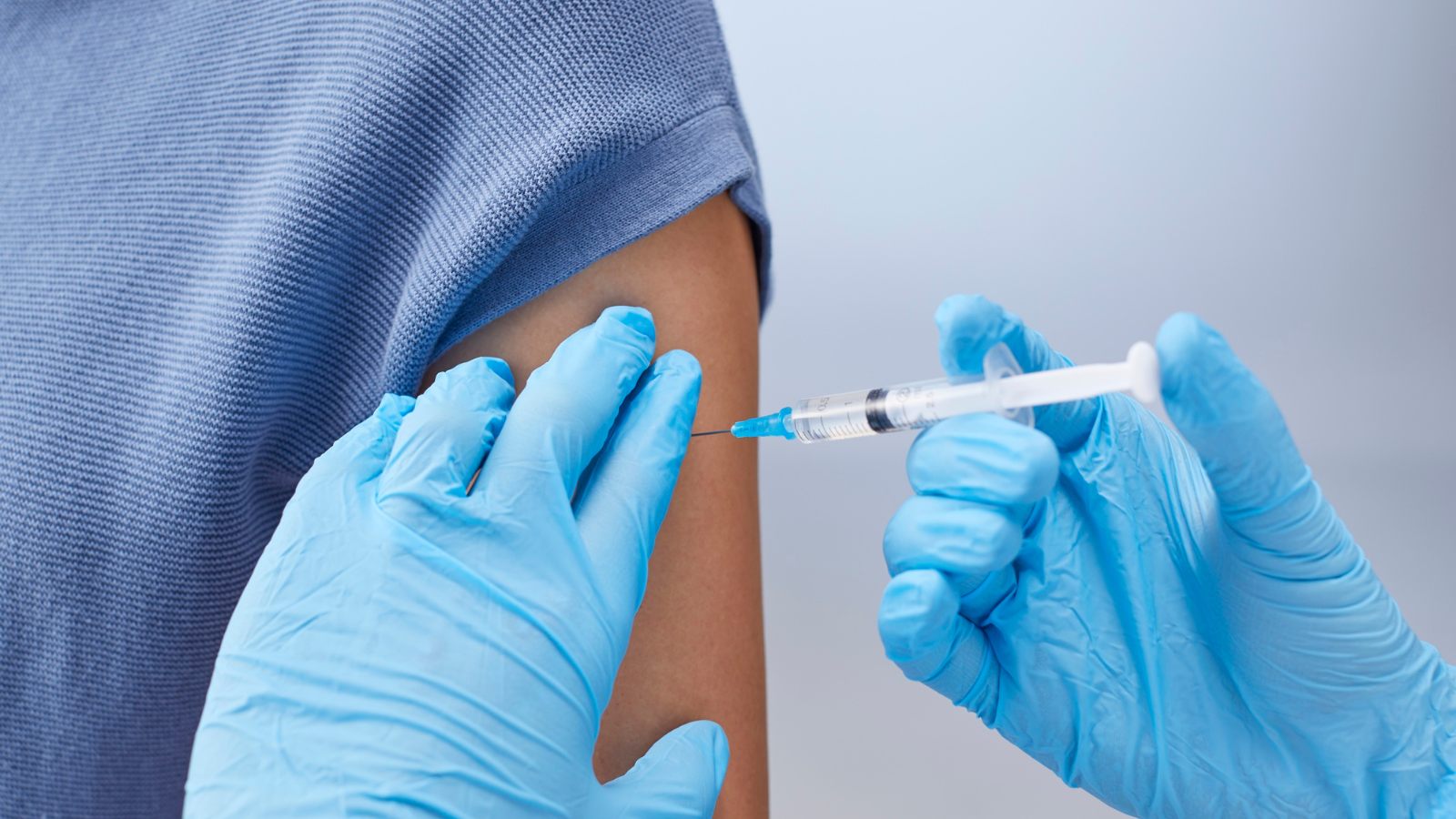
Currently, there is no dedicated vaccine for gonorrhea. Though, research is exploring a engaging connection to an existing vaccine…
Could a Meningitis Vaccine protect Against Gonorrhea?
The bacterium responsible for gonorrhea, Neisseria gonorrhoeae, shares genetic similarities with Neisseria meningitidis, the cause of meningococcal meningitis. This has led scientists to investigate whether the meningococcal B (MenB) vaccine could offer cross-protection. Recent research suggests it might.
Two independent reviews – one from Hungary and another from Greece – analyzed existing data and found promising results. Both teams observed lower gonorrhea incidence rates in individuals who had received the 4CMenB vaccine compared to those unvaccinated or who received different meningococcal vaccines.
Understanding the Science: Outer Membrane Vesicles (OMV)
The potential for cross-protection lies in a key component of the 4CMenB vaccine: outer membrane vesicles (OMV). Here’s how they work:
OMV are naturally released by Neisseria bacteria (both meningitis and gonorrhea strains).
They mimic the outer surface of the bacteria, effectively “showing” the immune system what to look for.
Crucially, OMV are non-living and cannot cause disease, making them a safe and effective vaccine delivery system.
Research Findings: Vaccine Effectiveness
The Hungarian researchers analyzed seven studies, focusing primarily on the 4CMenB vaccine. They reported a pooled vaccine effectiveness (VE) of 38% against gonorrhea infection, rising to 41% when analyzing only 4CMenB studies.
The Greek team, analyzing nine studies (eight focused on 4CMenB), found a pooled VE of 30%. They concluded that while randomized clinical trials are needed, their findings “highlight the potential effectiveness of OMV-based vaccines in terms of gonorrhea prevention.”
What Does This Mean for You?
While these findings are encouraging, it’s critically important to remember this isn’t a guaranteed solution yet. The 4CMenB vaccine is primarily intended for protection against meningococcal meningitis. However, this research opens a new avenue for gonorrhea prevention.
Here’s what you shoudl do:
Practice safe sex: Condoms are your first line of defense.
Discuss Doxy PEP with your doctor: If you’re at risk, this could be a valuable preventative tool.
Stay informed: Keep up-to-date on the latest research and recommendations from the CDC and your healthcare provider.
* Get tested regularly: Early detection and treatment are vital, especially given the increasing