Unlock Seamless Communication: A Deep Dive into the Latest Google Translate Updates
Ever struggled too understand a foreign language while traveling, connecting with international colleagues, or simply enjoying global content? The frustration is real. fortunately, Google Translate is constantly evolving to bridge those communication gaps, and the recent upgrades announced by Google are a game-changer. These aren’t just incremental improvements; they represent a notable leap forward in AI-powered translation, promising more natural, accurate, and accessible language support for everyone. This article will explore the new AI model, the exciting headphone translation beta, expanded language learning tools, and what these changes mean for you.
The power of Gemini: A New Era for Translation Accuracy
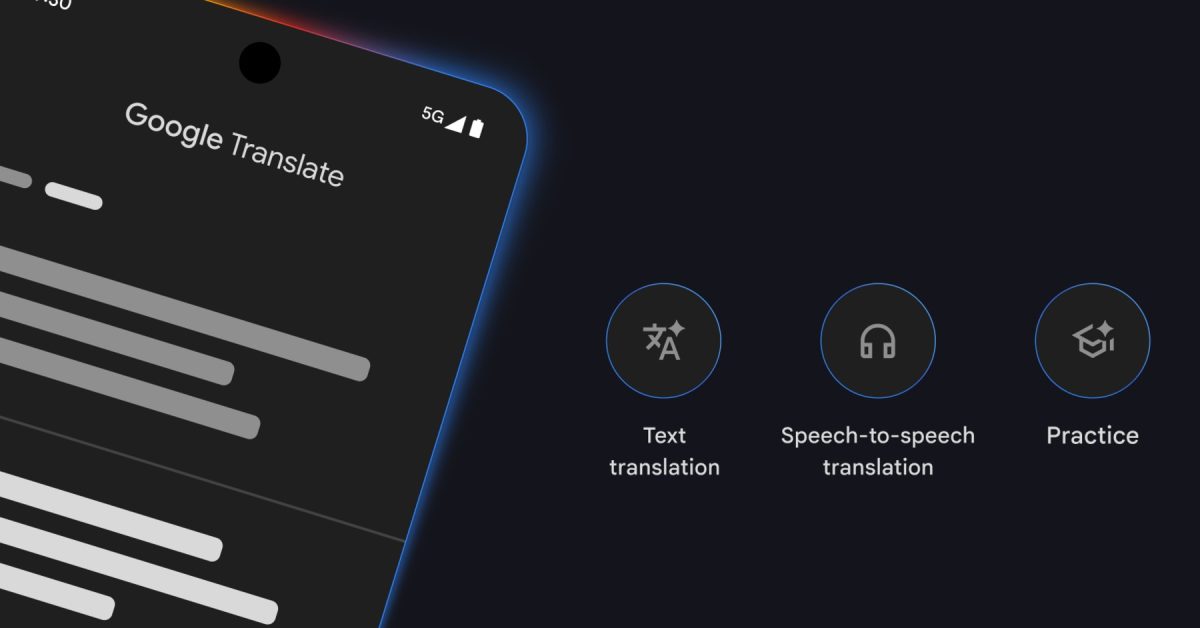
At the heart of these updates lies a new AI model, leveraging the power of Google’s Gemini technology. This isn’t simply about swapping words from one language to another. It’s about understanding context, nuance, and even cultural subtleties like idioms and slang.According to Google’s official blog, this new model delivers “state-of-the-art translation quality,” resulting in translations that feel less robotic and more human.
This is a critical advancement. Recent studies show that poor translation quality can lead to misunderstandings in up to 40% of international business communications (Source: CSA Research, 2024). The ability to accurately convey meaning, especially in complex scenarios, is paramount. Initially rolling out in the US and supporting nearly 20 languages, this enhanced model is also being integrated directly into Google Search, meaning you’ll experience better translations across multiple platforms. Think about instantly understanding search results in a foreign language – a powerful tool for research and global awareness.
Beyond basic translation, this update also addresses the challenge of machine translation post-editing (MTPE), reducing the need for extensive human review and saving valuable time and resources. Related terms like neural machine translation (NMT) and adaptive translation are also benefiting from these advancements.
Hear the Difference: Real-Time Translation in Your Headphones
Imagine a world where language barriers disappear in real-time conversations. Google is making that vision a reality with a new beta programme that transforms any pair of headphones into a one-way translation device. Building on Gemini’s live speech-to-speech translation capabilities, this feature focuses on preserving the speaker’s tone, emphasis, and cadence, creating a more natural and engaging listening experience.
This isn’t just about hearing the words; it’s about feeling the message. The beta is currently available on android via the Translate app, with iOS support coming in 2026. Interested users can sign up now to be among the first to experience this groundbreaking technology. This feature is notably useful for travelers, international meetings, and anyone engaging in cross-cultural communication.Consider the possibilities for accessibility - enabling individuals with hearing impairments to participate more fully in multilingual conversations.
Expanding Access to Language Learning
Google isn’t stopping at translation; they’re also investing in language education. The company is expanding its language learning tool to nearly 20 countries, including germany, sweden, India, and Taiwan.This expansion provides more people with access to interactive and engaging language learning resources,fostering global understanding and communication skills. This initiative aligns with the growing demand for language acquisition apps and online language courses, a market projected to reach $115 billion by 2029 (source: Global market Insights, 2023).
In summary, the latest google Translate updates represent a significant step forward in breaking down language barriers. From the enhanced accuracy of the new AI model to the immersive experience of real-time headphone translation and the expanded language learning tools, Google is empowering individuals and businesses to connect with the world in a more meaningful way. These advancements aren’t just about technology; they’re about fostering understanding, collaboration, and a more interconnected global community.
Evergreen Insights: The Future of Translation
The evolution of machine translation is far from over. we can expect to see continued advancements in areas like:
* Low-Resource Languages: Improving translation quality for languages with limited data.
* Multimodal Translation: Translating not just text and speech,but also images and videos.
* Personalized translation: Adapting translations to individual user preferences and contexts.
* Offline Translation: Enhancing the functionality and accuracy of offline translation capabilities.
These developments will further democratize access to details and communication, creating