
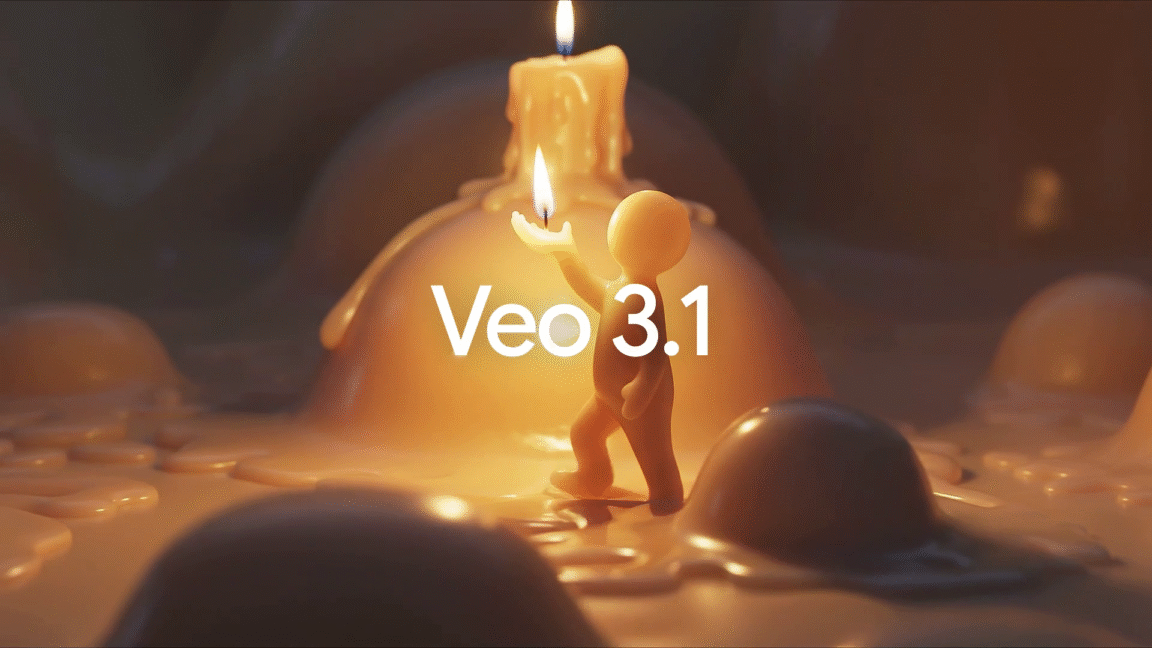
Google’s Veo 3.1: The Latest Leap in AI Video Generation – And What It Means For You
The line between reality and digital creation is blurring,and Google’s recent unveiling of Veo 3.1 is accelerating that trend. This isn’t just another incremental update; it represents a significant advancement in AI-powered video generation, promising more realistic, accurate, and versatile video creation than ever before. But what does this mean for creators, businesses, and the future of online content? Let’s dive in.
Veo 3.1: A Game Changer in AI Video
Google’s Veo model has rapidly evolved, with 3.1 building on the impressive strides made with Veo 2 and Veo 3. The core improvement lies in a refined ability too translate text prompts into compelling video content.This translates to fewer frustrating iterations and a more efficient creative process for you.
Here’s a breakdown of the key enhancements:
* Enhanced Prompt Adherence: Veo 3.1 understands your instructions better, resulting in videos that more closely match your vision.
* Improved Audio Quality: Audio was already a strength of Veo 3, but the latest iteration boasts even more realistic and nuanced soundscapes.
* Flexible Aspect ratios: You’re no longer limited to landscape videos. Veo 3.1 now supports both 16:9 landscape and portrait formats, crucial for platforms like TikTok and YouTube Shorts.
* “Fast” Variant for Cost-Effectiveness: Google recognizes the potential cost of AI video generation. The new ”Fast” option provides a more affordable way to create content, albeit with potentially slightly reduced quality.
Why This Matters: The Power of YouTube Data
Veo’s rapid advancement isn’t accidental. Google leverages the vast libary of videos on YouTube to train its AI models. this access to real-world footage gives veo a distinct advantage, allowing it to learn and replicate realistic visuals and movements.
Essentially, the more content on YouTube, the better Veo becomes. This creates a powerful feedback loop, driving innovation and pushing the boundaries of what’s possible with AI video.
Veo 3.1 and the Competitive Landscape
Google isn’t operating in a vacuum. OpenAI’s Sora has emerged as a major competitor in the AI video space, recently releasing an iPhone app showcasing its capabilities. Veo 3.1 is a direct response, positioning Google to maintain its leadership in this rapidly evolving field.
The competition benefits everyone. It drives innovation, lowers costs, and ultimately provides you with more powerful tools to create engaging content.
What Can You Do With Veo 3.1?
The applications of Veo 3.1 are vast and span numerous industries. Consider these possibilities:
* Content Creators: Generate engaging videos for YouTube, TikTok, and other platforms without the need for expensive equipment or extensive editing skills.
* Marketing Professionals: Create compelling ad campaigns, product demos, and social media content quickly and efficiently.
* Educators: develop dynamic educational videos to enhance learning experiences.
* Businesses: Produce internal training materials, presentations, and marketing collateral.
* Filmmakers: Utilize Veo as a tool for storyboarding, pre-visualization, and even creating special effects.
Veo 3.1 is integrated into Google’s ecosystem, including the flow filmmaking tool, unlocking new features and streamlining the video creation process.
The Future of AI Video: Navigating the Ethical Considerations
As AI video technology becomes more refined,it’s crucial to address the ethical implications. Concerns around deepfakes, misinformation, and copyright infringement are legitimate and require careful consideration.
Google is actively working on safeguards to mitigate these risks, including watermarking and content moderation tools. However, responsible use and critical thinking remain paramount.
Evergreen Insights: The Evolution of AI Video
AI video generation has come a long way in a short time. Early attempts produced glitchy,unrealistic results. Now, models like Veo 3.1 are capable of creating videos that are virtually indistinguishable from those created by human filmmakers.
This progress is driven by several factors:
* Advances in Machine Learning: Sophisticated algorithms, particularly those based





