
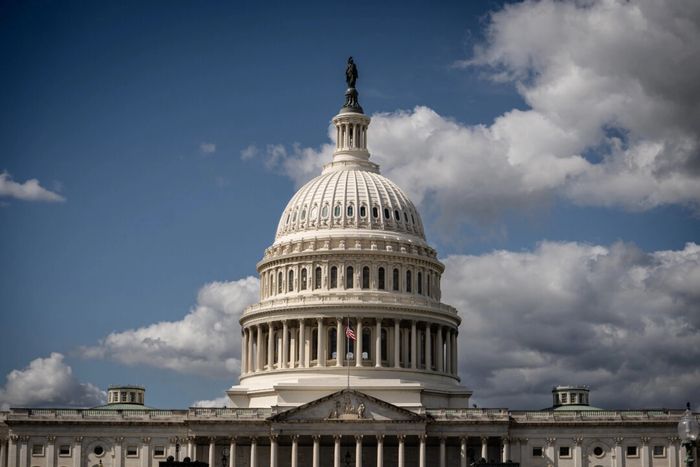
Government Shutdown Begins: A Path Forward Amidst Partisan Divide
The U.S. government officially entered a shutdown on October 1st,as Congress failed to pass funding legislation before the deadline. while both parties blame each other, a glimmer of hope emerges from behind-the-scenes discussions aimed at de-escalating the crisis. here’s a breakdown of the current situation, the sticking points, and potential pathways to resolution.
What happened?
The shutdown stems from a disagreement over government funding and policy riders attached to spending bills. House Republicans passed a continuing resolution (CR) that included cuts to discretionary spending and provisions related to border security. Democrats, however, rejected the bill, citing concerns over the proposed cuts and the lack of funding for Ukraine aid.
Senate Majority Leader John Thune has announced the chamber will revisit the measures on Monday, signaling continued efforts to break the impasse.
Behind Closed Doors: Seeking Common Ground
Despite the public posturing, a group of moderate senators from both parties are engaging in informal talks. these discussions center around finding a temporary solution to reopen the government while addressing the underlying issues.
Several senators met on the Senate floor Wednesday to discuss a potential one-year extension of Affordable Care Act (ACA) enhanced premium tax credits – a key Democratic priority. Senator Raphael warnock (D-Ga.) expressed optimism, stating, “I’m glad we’re talking.”
Senator Mike Rounds (R-S.D.) echoed this sentiment,noting,”a lot of people woudl really like to find a path forward.” However,he emphasized that reopening the government must come first.
The 45-Day proposal
The core of the emerging compromise involves a 45-day extension of government funding. This would provide breathing room for lawmakers to negotiate a longer-term solution. As Senator Rounds explained,”And then we start working on the issues that divide us.”
Challenges Remain: Deep Divisions Persist
Not everyone is convinced these conversations will yield results. Senator Ron Johnson (R-Wis.) downplayed the extent of the talks, suggesting only a few members are actively engaged. Senator Rick Scott (R-Fla.) urged patience, stating, “You have to wait till they come around.”
Two major issues continue to fuel the stalemate:
* ACA Tax Credits: Democrats want to extend the enhanced premium tax credits, preventing potential premium increases for millions of Americans. Republicans are hesitant, arguing they are working on broader Obamacare reforms.
* White House Rescission Authority: A significant point of contention is the White House’s ability to rescind previously appropriated funds. Republicans, particularly, are wary of limiting President Trump’s authority in this area.Senator Markwayne Mullin (R-Okla.) stated he wouldn’t support any measure restricting the president’s power.
Differing Perspectives & blame Game
Party leaders continue to publicly blame each other for the shutdown. House Minority Leader Hakeem Jeffries (D-N.Y.) accused Republicans of prioritizing healthcare access for working-class Americans.Conversely, Senator Johnson (R-Wis.) defended the Republican-backed funding bill, arguing it simply maintains current spending levels.
What’s Next?
The coming days will be crucial. Senator Thom Tillis (R-N.C.) advised observers to “stay tuned,” hinting at potential developments next week. Leader Thune’s commitment to return on Monday suggests a renewed push for a resolution.
What This Means for You
The government shutdown impacts a wide range of services and individuals. Here’s what you can expect:
* Federal Employees: Non-essential federal employees are furloughed, meaning they are temporarily placed on unpaid leave.
* National Parks & Museums: Many national parks and museums are closed or operating with limited services.
* Government Services: Processing of applications for passports, visas, and other government services may be delayed.
* Economic Impact: The shutdown can negatively impact the economy,particularly in areas heavily reliant on federal spending.
Looking ahead
The current situation is fluid. While the path forward remains uncertain,the ongoing discussions offer a glimmer of hope. A 45-day extension appears to be the most viable option for reopening the government and allowing for more comprehensive negotiations. however, overcoming the deep


![Year in Review: Top Wins & Biggest Fails of [Year]](https://i0.wp.com/images.everydayhealth.com/images/2025/best-and-worst-health-trends-2025-1440x810.jpg?resize=150%2C100&ssl=1 "Year in Review: Top Wins & Biggest Fails of [Year]")