UK Policing Under Scrutiny: The Graham Linehan Case adn a growing Free Speech Debate
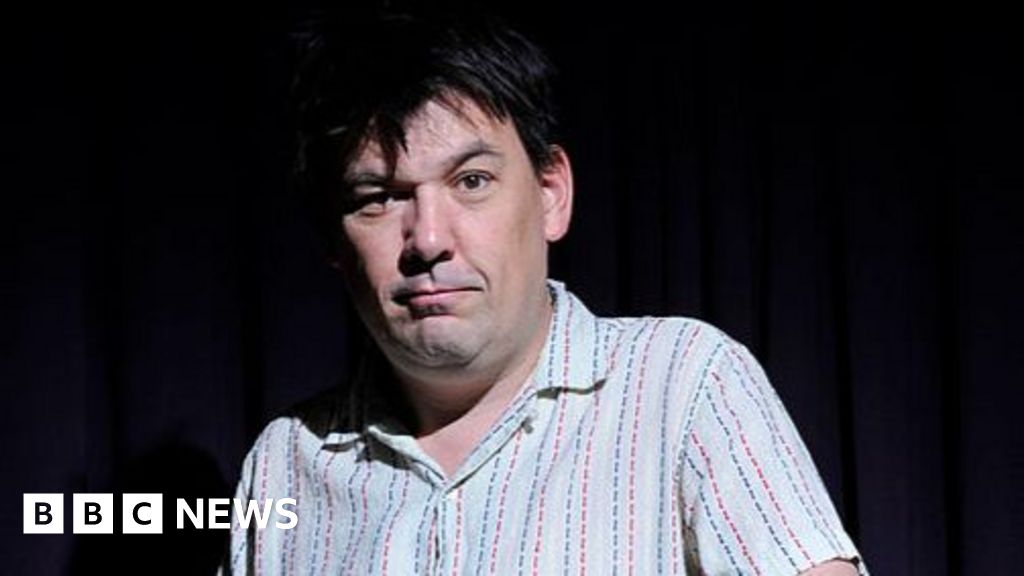
The recent arrest of comedian Graham Linehan, creator of beloved sitcoms like Father Ted and The IT Crowd, has ignited a fierce debate about free speech, policing priorities, and the handling of contentious “culture war” issues in the United Kingdom. The incident, coupled with criticism from across the political spectrum and even drawing attention from US figures, highlights a growing tension between protecting individuals from harm and safeguarding fundamental rights. let’s break down what happened, why it matters, and what changes may be on the horizon.
What Happened with Graham Linehan?
Linehan was arrested at Heathrow Airport upon his return from the US by five armed officers. This stemmed from alleged offenses related to online posts deemed perhaps violating public order laws. He was subsequently questioned and underwent a health check, revealing elevated blood pressure.
beyond this, Linehan faces a separate charge of harassment, which he denies, and is scheduled to appear in court on Thursday. His account of the arrest,detailing the forceful intervention,quickly circulated online,fueling the controversy.
Why the Outcry?
The arrest sparked immediate and widespread condemnation, especially from conservative voices. Critics argue the response was disproportionate and represents a worrying trend of “policing of thought.”
Kemi Badenoch, leader of the Conservative Party, labelled the arrest “politics, not policing.”
Nigel Farage, leader of Reform UK, described it as a “war on freedom.”
Even Shami Chakrabarti, a Labor peer and former director of liberty,acknowledged the need for a review of public order and speech offences.The core concern is that police resources were diverted to investigate potentially protected speech, raising questions about priorities and the potential for a chilling effect on legitimate expression.
The Metropolitan Police Respond: A Shift in Approach
Facing mounting pressure,sir Mark Rowley,Commissioner of the Metropolitan Police,has acknowledged the difficult position officers are in.he stated that police “do not believe we should be policing toxic culture wars debates” and that officers are currently operating in an “impractical position.”
To address this, the Met is implementing a more stringent triaging process. This means:
Focus on Serious Cases: Only cases with a “clear risk of harm or disorder” will be prioritized for examination.
Immediate Action: The new process is being rolled out immediately to protect officers from similar situations.
Call for Legal Clarity: Sir Mark emphasized the need for changes to the law and guidance, hoping for a swift resolution “without delay.”
Essentially, the Met is attempting to recalibrate its response to online speech, recognizing the complexities and potential for overreach.
A Broader Debate: free Speech and the UK Legal Landscape
This case isn’t happening in a vacuum. Its part of a larger conversation about the boundaries of free speech in the digital age, particularly in the UK. Several factors are contributing to this debate:
Online safety Act: The recently passed Online Safety Act, designed to protect children online, has drawn criticism from some who fear it could stifle free expression. US Vice President JD vance has voiced concerns, claiming free speech in Europe is “in retreat.”
US Political Scrutiny: The Linehan case has attracted attention from prominent figures in American politics, including Elon Musk, who have framed it as evidence of eroding free speech protections in the UK. Farage is even taking the issue to a US Congressional committee.
* The Lucy Connolly Case: The case of Lucy Connolly,jailed for stirring up racial hatred,has been re-framed by some as an example of overzealous policing,further fueling the debate.
Understanding the Nuances: where Does the Line Lie?
While protecting free speech is paramount, it’s not absolute. As Chakrabarti rightly points out, inciting violence must remain a crime. The challenge lies in defining the line between protected expression and harmful speech.
current legislation, particularly around offenses related to “alarm and distress,” is often criticized as being too broad. A clear review of these laws is needed to ensure they are proportionate and don’t unduly restrict legitimate debate.
What Does This Mean for You?
If you’re active online,particularly engaging in discussions on sensitive topics,it’s crucial to be aware of the legal landscape.