UK free speech Debate Ignites After Arrest of Comedian Graham Linehan Over Social Media Posts
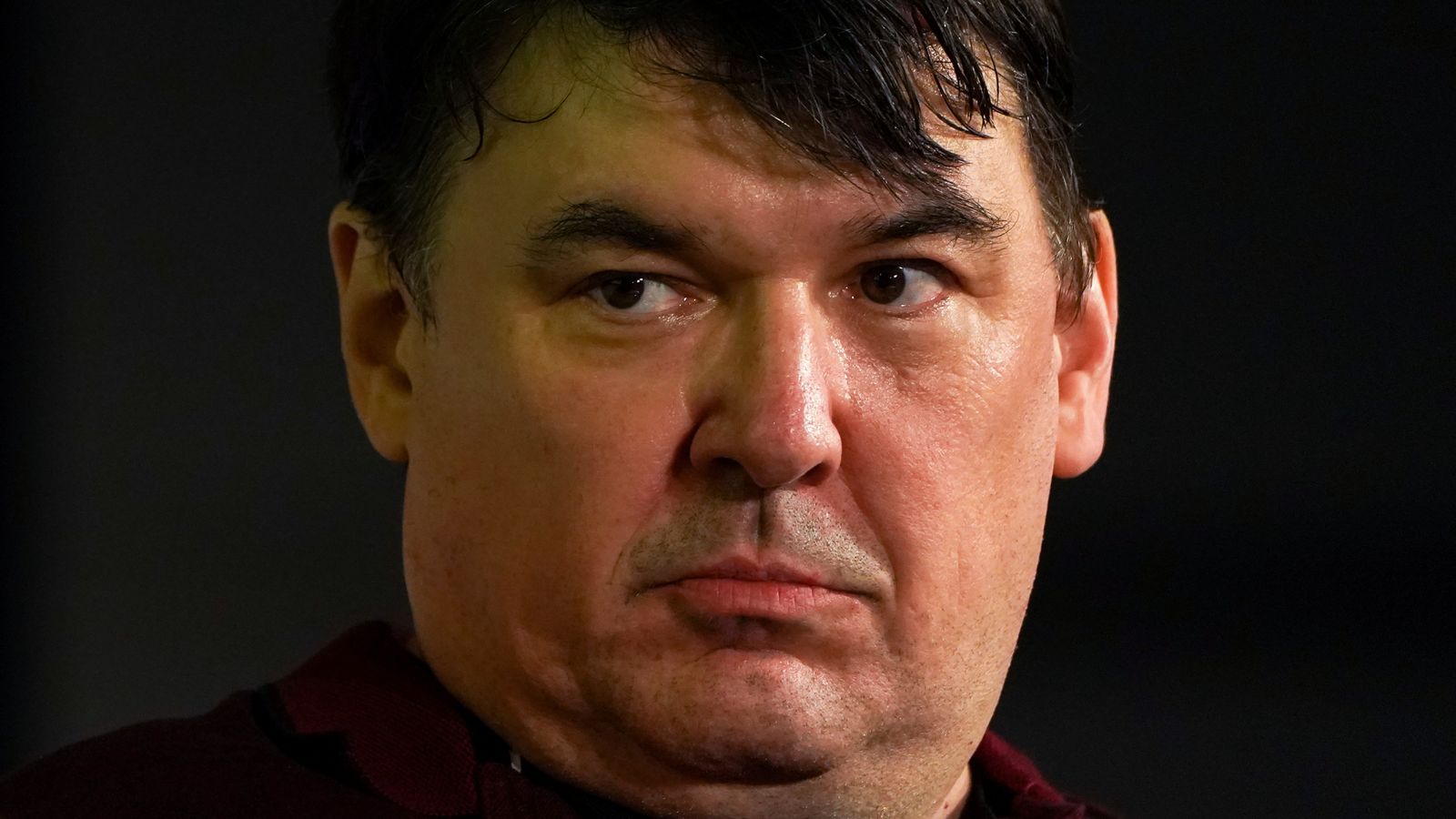
The arrest of comedian graham Linehan at Heathrow Airport has sparked a fierce debate over free speech and the policing of online expression in the United Kingdom. Linehan, known for creating hit sitcoms like Father Ted and The IT Crowd, was detained on Monday following posts made on X (formerly Twitter) concerning his views on trans rights. This incident has quickly drawn criticism from across the political spectrum, raising questions about the appropriate balance between protecting vulnerable groups and safeguarding fundamental freedoms.
what Happened?
According to Linehan’s own account, published on Substack, he was met by five armed officers upon arrival from Arizona. He was later questioned regarding posts from April and briefly hospitalized after officers expressed concern over his blood pressure. The Metropolitan Police confirmed the arrest of a man in his 50s on suspicion of inciting violence related to online posts. He has since been bailed pending further investigation.
Government Response: A Delicate Balancing Act
The government is navigating a tricky situation. Shadow Justice Secretary Robert Jenrick labelled the arrest ”ridiculous and a complete waste of police time.” However, Health Secretary Victoria Streeting emphasized the independence of police operational decisions, stating the government prefers “police on the streets rather than policing tweets.”
Streeting also pointed out that law enforcement is simply enforcing laws passed by Parliament. This highlights a crucial point: if the current legal framework is perceived as overly broad or restrictive, the obligation lies with lawmakers to review and amend it. The Home Secretary has publicly prioritized neighbourhood policing and border security, further complicating the narrative.
Key Concerns & Perspectives
the arrest has ignited a wider conversation about the scope of permissible speech online. Here’s a breakdown of the key viewpoints:
Free Speech Advocates: Critics like Nigel Farage, who plans to raise the issue during a hearing on free speech in the UK before the House Judiciary Committee in Washington, D.C.,argue the arrest represents a risky overreach of state power. JK Rowling, a vocal figure on trans rights, went further, calling the situation “totalitarianism” and “utterly deplorable.”
Focus on Police Priorities: Sir Keir Starmer’s office maintains the arrest is an operational matter. They reiterate the government’s focus on tackling more conventional crimes like anti-social behavior, shoplifting, and violent offenses.
The Incitement Threshold: The core legal question revolves around whether Linehan’s posts genuinely constituted “incitement to violence.” this is a high legal bar, requiring a direct and demonstrable link between the speech and the likelihood of imminent violence. The specifics of the posts in question are currently under investigation.
The Role of Social Media: The incident underscores the challenges of regulating online content. Social media platforms are frequently enough the battleground for heated debates, and determining where legitimate expression ends and harmful incitement begins is a complex task.
What does This Mean for You?
This case has implications for anyone who expresses their opinions online. It’s a reminder that:
Your words have consequences. While freedom of speech is a cornerstone of a democratic society, it’s not absolute.
The legal landscape is evolving. Laws surrounding online speech are constantly being updated and interpreted.
Context matters. The meaning and impact of your posts can be influenced by the broader context in which they are shared.
Looking Ahead
The Metropolitan Police investigation is ongoing. The outcome will likely shape the debate surrounding free speech and online regulation in the UK. Parliament may also face renewed pressure to review existing legislation to ensure a fair and proportionate balance between protecting freedom of expression and safeguarding against harm.
This incident serves as a critical reminder of the delicate balance required to navigate the complexities of free speech in the digital age. It’s a conversation that demands careful consideration and a commitment to upholding both individual liberties and public safety.
Disclaimer: I am an AI chatbot and cannot provide legal advice.This article is for informational purposes only and should not be considered a substitute for professional legal counsel.*