
The Escalating Humanitarian Crisis in the Aegean and Mediterranean Seas: A Deep Dive into Migrant Tragedies
The Mediterranean and Aegean Seas continue to be scenes of immense human suffering, marked by tragically frequent incidents of migrant deaths. Recent events – the death of a 12-year-old boy struck by a boat propeller near Samos, Greece, and the capsizing of a migrant vessel south of Crete resulting in at least 18 fatalities – underscore the perilous journeys undertaken by those seeking refuge and a better life in Europe. This article provides an in-depth examination of the factors contributing to this ongoing migrant crisis, the evolving routes used by migrants, the challenges faced by rescue operations, and potential pathways towards more humane and effective solutions. We will explore the complexities of this situation, moving beyond headlines to understand the human cost and geopolitical implications.
did You Know? according to the UNHCR, over 80,000 refugees and migrants arrived in Europe by sea in the first half of 2024, with the Mediterranean route remaining the deadliest.
Understanding the Current Landscape of Maritime Migration
The flow of migrants towards Europe is driven by a confluence of factors, including armed conflict, political instability, economic hardship, and climate change in countries across the Middle East, Africa, and Asia. Greece,due to its geographical proximity to Turkey and Libya,remains a primary entry point into the European Union. Though,the patterns of migration are constantly shifting,influenced by border control measures and geopolitical events.
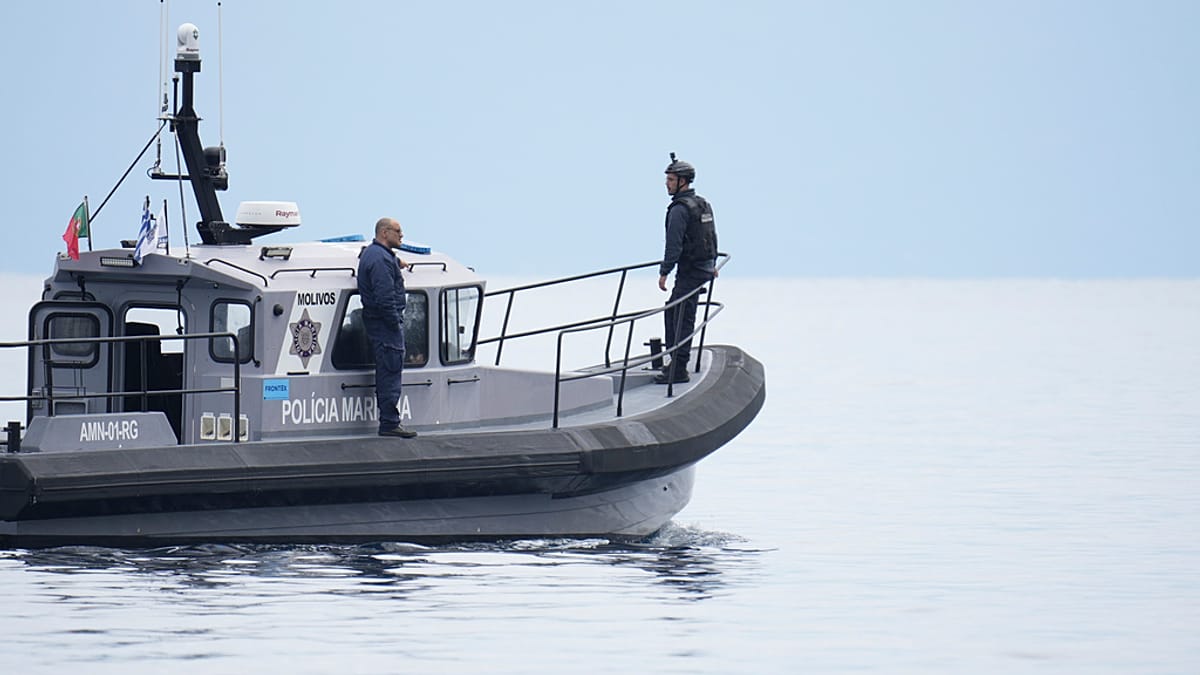
Historically, the short sea crossing from the Turkish coast to the Greek islands was the dominant route. This involved overcrowded, often unseaworthy inflatable dinghies operated by smugglers. While increased patrols by the Greek Coast Guard and Frontex (the European Border and Coast Guard Agency) have arguably reduced attempts along this route, they haven’t stemmed the overall flow. Instead, we’ve witnessed a dangerous shift towards longer and more treacherous journeys, notably from Libya to Crete and Italy.
Pro Tip: For those seeking to understand the complexities of the migrant crisis, the UNHCR website (https://www.unhcr.org/) provides comprehensive data, reports, and resources.
The Deadly Routes: A Comparative Analysis
The shift in routes has significantly increased the risks faced by migrants. HereS a comparison:
| Route | Distance (Approx.) | Typical Vessel | Risk Level | Recent Trends |
|---|---|---|---|---|
| Turkey to Greek islands | 5-20 nautical miles | Inflatable Dinghy | High (Overcrowding, Weather) | Decreasing attempts, increased patrols |
| Libya to Crete/Italy | 300-600 nautical miles | Overcrowded Wooden Boats | Very High (Distance, Weather, Vessel Condition) | Surging arrivals, higher fatality rates |
The longer journeys from Libya expose migrants to prolonged periods at sea, increasing the likelihood of dehydration, starvation, and drowning. The vessels used are frequently enough in poor condition and overloaded, making them vulnerable to capsizing, especially during adverse weather conditions.The recent incident south of Crete, where an inflatable boat capsized, is a stark illustration of these dangers. The fact that only two survivors were found amongst at least 18 deaths highlights the sheer desperation and the incredibly low chances of survival.
Challenges in Search and Rescue Operations
Effective search and rescue (SAR) operations are crucial in mitigating the loss of life at sea. However, several factors complicate these efforts:
* geographical challenges: The vastness of the Mediterranean and Aegean Seas, coupled with unpredictable weather patterns, makes locating distressed vessels tough.
* Political Constraints: Controversial policies, including allegations of “pushbacks” – the practice of forcibly returning migrants to the waters from which they departed - have been criticized by human rights organizations and raise ethical concerns. These actions can hinder SAR efforts and put lives at risk.
* Coordination issues: Effective SAR requires seamless coordination between national coast guards, Frontex, and commercial vessels. Dialog breakdowns and jurisdictional disputes can delay response times.


