
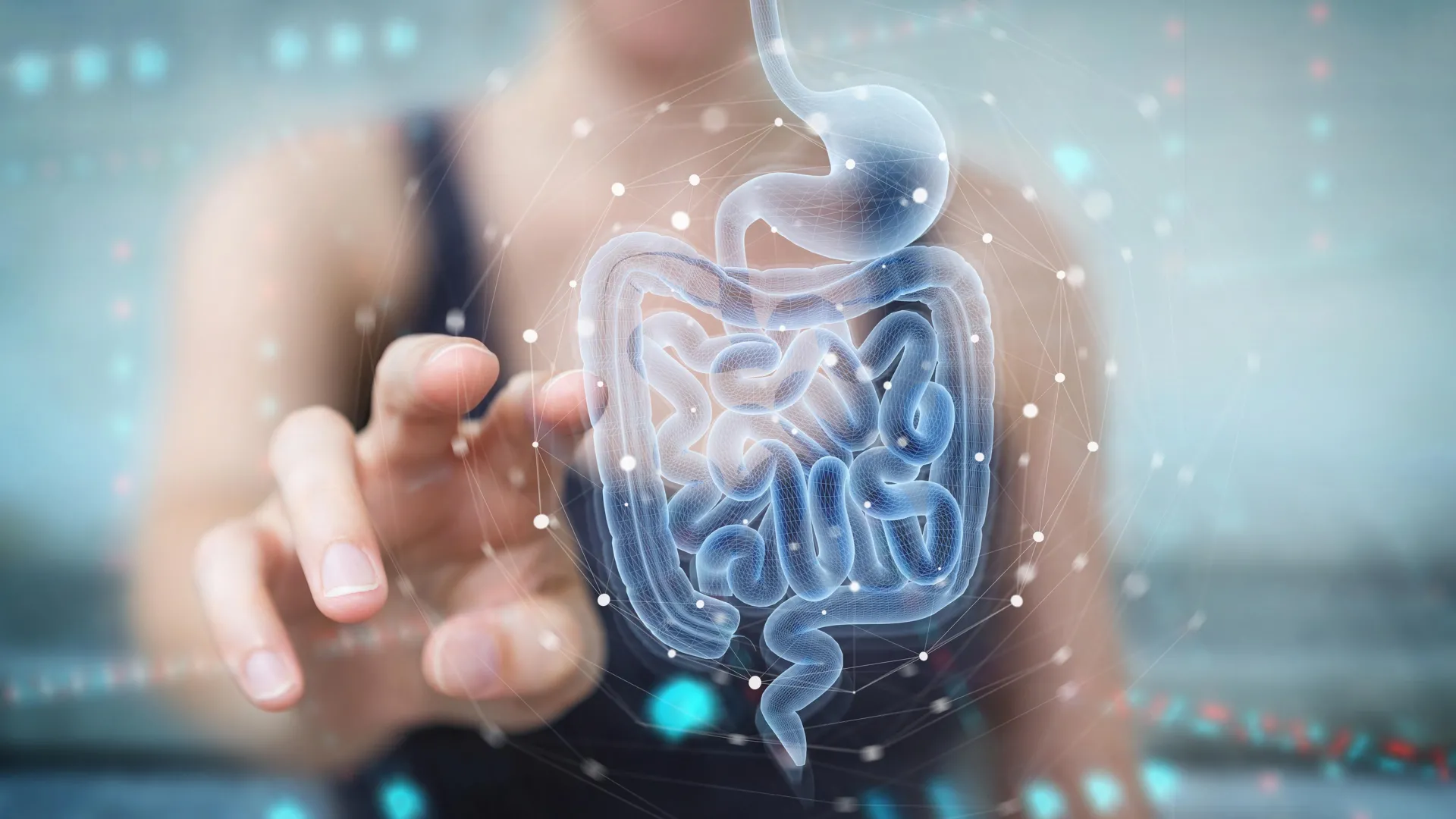
your gut is a remarkably dynamic organ, constantly renewing itself more rapidly than any other tissue in your body. Specialized stem cells diligently produce fresh cells every few days, maintaining the health of your intestinal lining. Though,as we age,these crucial stem cells begin to accumulate epigenetic changes – chemical modifications to DNA that act as switches,influencing gene activity. Understanding these shifts is key to unlocking the secrets of gut health and longevity.
The Emerging Science of Gut aging
Recent research reveals that these epigenetic alterations aren’t random occurrences; instead, they follow a discernible pattern. scientists have identified a process termed ACCA (Aging- and Colon Cancer-Associated) drift, a progressive shift in epigenetic markers that intensifies with age. “We observe an epigenetic pattern that becomes increasingly apparent with age,” a leading researcher noted. This finding, made possible by advancements in genomic sequencing and bioinformatics, is reshaping our understanding of how the gut ages and its connection to disease.
Aging Patterns and Their Link to Cancer Risk
The genes most susceptible to this drift are those responsible for maintaining tissue homeostasis. Many of these genes play a vital role in the Wnt signaling pathway, a critical process for renewing the intestinal lining. When these genes are altered, the gut’s natural repair mechanisms begin to falter. Interestingly, researchers have observed a striking overlap between this epigenetic drift in aging tissue and the patterns found in nearly all colon cancer samples analyzed. This suggests that age-related changes in gut stem cells may create an environment conducive to cancer development.
A Mosaic of Aging Within the Gut
It’s important to realize that aging doesn’t affect the entire intestine uniformly. The gut is structured into tiny crypts, each originating from a single stem cell. If that initial stem cell experiences epigenetic changes, all cells within that crypt inherit those modifications. Over time, these altered regions expand through natural crypt division, perhaps growing for years. Consequently, the intestines of older adults become a patchwork of younger and older crypts, with some areas remaining relatively healthy while others are more prone to cellular damage and increased cancer risk.
Did You Know? The gut microbiome, the community of microorganisms living in your digestive tract, also undergoes significant changes with age, influencing epigenetic modifications and overall gut health.
The role of Iron and Inflammation
Researchers have pinpointed a key mechanism driving this epigenetic drift: changes in iron metabolism. As intestinal cells age, they absorb less iron while concurrently releasing more, reducing the availability of iron (II) within the cell nucleus. Iron (II) is crucial for the function of TET (ten-eleven translocation) enzymes, which remove excess DNA methylations. When iron levels decline, these enzymes become less effective, leading to a buildup of DNA methylations and the silencing of important genes. “When there’s not enough iron in the cells, faulty markings remain on the DNA,” one expert explained, “and the cells lose their ability to remove these markings.”
Moreover, age-related inflammation in the gut exacerbates the problem. Even mild inflammatory signals can disrupt iron balance and add stress to cellular metabolism. Simultaneously, Wnt signaling weakens, diminishing the ability of stem cells to maintain their health and function. This combination of iron





