
Beyond Masks: How CO₂ Monitoring is Becoming a Key Tool for Safer Indoor Events
Are you planning too attend a conference, convention, or even a large indoor gathering? beyond hand sanitizer and mask recommendations, a new layer of safety is emerging: CO₂ monitoring. It’s not about the carbon dioxide itself being harmful, but what elevated levels signal about air quality and potential airborne virus transmission. This article dives deep into why monitoring carbon dioxide is gaining traction, how events like Kawaiicon are leading the charge, and what you can do to assess and improve air quality at your next indoor event.
The Hidden Risk of Indoor Air
We often think of ventilation as simply bringing “fresh air” in. But adequate ventilation is crucial for diluting and removing airborne contaminants, including viruses like COVID-19, influenza, and others. Carbon dioxide (CO₂) is a byproduct of human respiration. Therefore, measuring CO₂ levels acts as a proxy for ventilation effectiveness.
high CO₂ levels indicate that exhaled breath isn’t being adequately removed, suggesting a buildup of all airborne particles - including potentially infectious ones. think of it as a warning sign. A recent study published in Indoor Air (November 2023) demonstrated a strong correlation between high CO₂ levels in classrooms and increased rates of respiratory infections among students.
Kawaiicon: A Pioneering Approach
Kawaiicon, a tech-leaning convention, recently implemented a extensive CO₂ monitoring system at its 2025 event. They didn’t just install monitors; they made the data visible to attendees.
According to Sput, a spokesperson for Kawaiicon, the considerations where similar to other accessibility needs. “It is no different than having to consider other accessibility options… Being a tech-leaning community it is easier for us to get this set up ourselves.”
here’s how Kawaiicon put it into practice:
* Real-time Data: Attendees could check CO₂ levels on their phones before arriving.
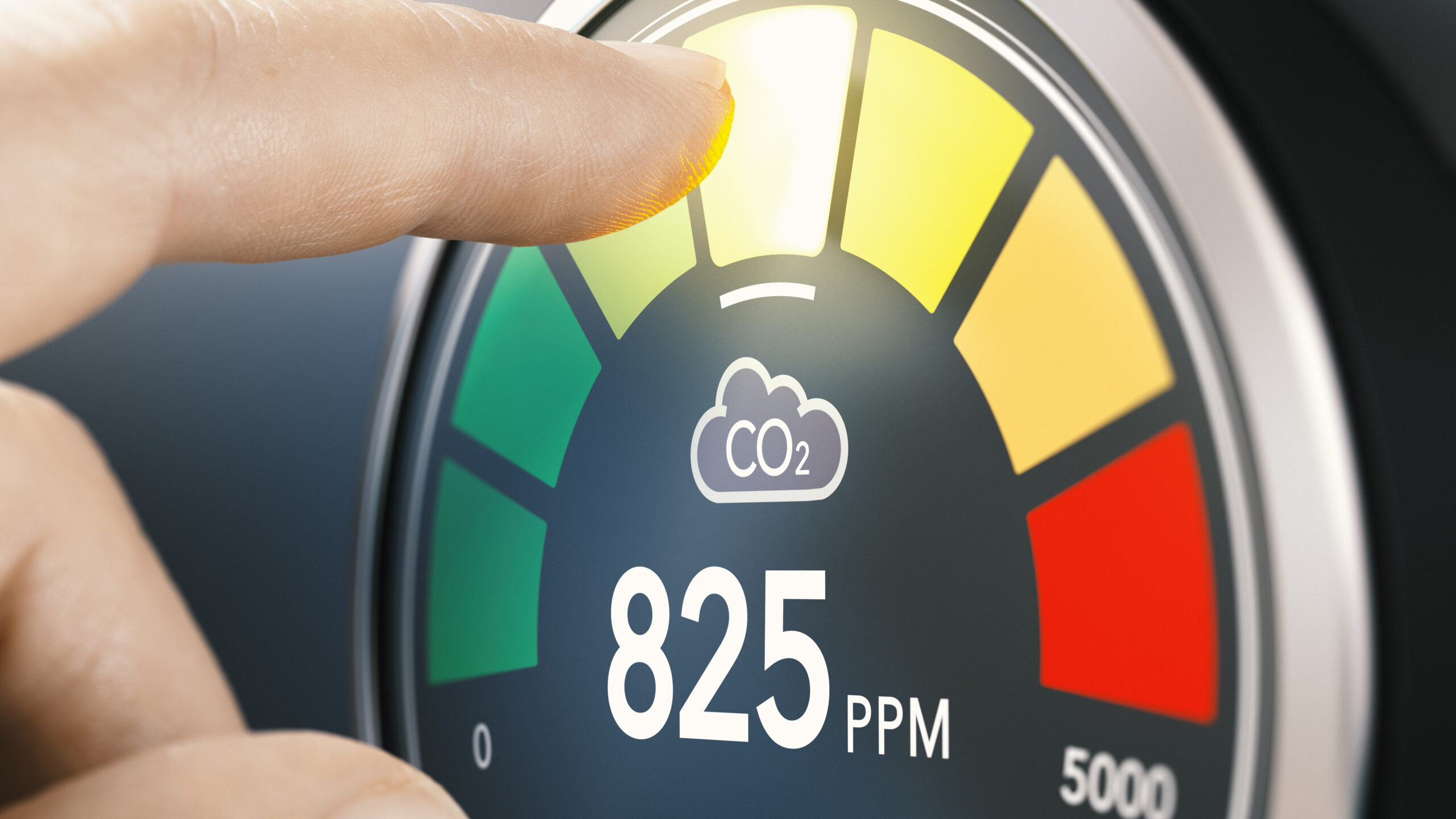
* Color-Coded Alerts: Rooms displayed a “stoplight” system:
* Green: Safe CO₂ levels.
* Orange: Risky – consider masking or moving.
* Red: High CO₂ levels – avoid the space.
* central Dashboard: A display at registration showed readings from all rooms.
* Empowerment Through Data: Organizers emphasized that the goal was to provide information so attendees could make informed decisions about their own risk tolerance.
This proactive approach demonstrates a commitment to attendee well-being and sets a new standard for event safety. It acknowledges that individuals have different risk assessments and provides the tools to navigate them.
Why CO₂ Monitoring Matters for You
You might be wondering,”is this really necessary for my event?” The answer depends on several factors,including event size,venue ventilation,and attendee demographics. Though, the benefits are clear:
* Increased Confidence: Knowing the air quality can significantly boost attendee confidence and willingness to participate.
* Reduced Transmission Risk: Improved ventilation, prompted by CO₂ monitoring, can lower the risk of airborne virus transmission.
* Demonstrated Responsibility: Implementing CO₂ monitoring shows attendees and the public that you prioritize their health and safety.
* Adaptability: Monitoring allows you to quickly identify and address ventilation issues in real-time.
How to Implement CO₂ monitoring: A Step-by-Step Guide
Ready to take action? Here’s how to get started:
- choose CO₂ Monitors: Look for non-dispersive infrared (NDIR) sensors, which are generally more accurate and reliable. Consider portable, handheld monitors for spot checks and wall-mounted units for continuous monitoring. Airthings Wave Plus and CO₂Meter.com are reputable brands.
- Establish Thresholds: The American Society of Heating,Refrigerating and Air-Conditioning Engineers (ASHRAE) recommends keeping CO₂ levels below 1,000 ppm (parts per million). Consider using the following guidelines:
* Below 800 ppm: Excellent air quality.
* 800-1,000 ppm: Acceptable





