
Haiti’s Enduring Crisis: A Legacy of Debt, Instability, and Unfulfilled Promises
Haiti is facing a deeply complex crisis, one that extends far beyond recent headlines of gang violence and political turmoil. Understanding the current situation requires looking back – way back – to the very foundations of this nation and the burdens placed upon it from the start. You might be surprised to learn that the roots of today’s struggles are intertwined with ancient debts and a long history of external interference.
The Weight of History: A Debt That Still Echoes
The story often begins with the Haitian Revolution, a monumental victory for enslaved people who dared to fight for their freedom. However, this triumph came at a steep price. france, unwilling to let go of its former colony, demanded a crippling indemnity in 1825 – 150 million francs in gold.
This wasn’t simply a financial transaction; it was a deliberate attempt to strangle the nascent nation. Consider this: Haiti, newly freed and striving to build a society from the ground up, was forced to dedicate its limited resources to repaying its former colonizer. This debt profoundly impacted the country’s development, diverting funds from essential services like education, healthcare, and infrastructure.
The consequences were devastating and long-lasting. As Juslène Tyrésias of the Papay Peasants Movement points out, “Haiti had to cut its trees to pay the ransom.” This deforestation, driven by the need to generate revenue, contributed to environmental degradation and increased vulnerability to natural disasters.
Dr. Weedjney Destouches, who now provides vital healthcare from Cap-Haïtien after fleeing Port-au-Prince, emphasizes that this historical debt remains “a central factor in understanding the country’s fragility.” It created a cycle of economic hardship, political instability, and social unrest that continues to plague Haiti today.
A Cycle of Instability: Weak Governance and External Intervention
Beyond the financial burden, Haiti has struggled with consistently weak governance. This isn’t simply a matter of internal failings. The constant pressure of external debt,coupled with repeated foreign interventions,has undermined the development of strong,independent institutions.
here’s a breakdown of the challenges:
* Historical Debt: Drained national resources, hindering investment in crucial sectors.
* Political Interference: Frequent external meddling has destabilized governments and fueled corruption.
* Weak Institutions: Lack of consistent support for building robust and accountable governance structures.
* Environmental Degradation: Deforestation and vulnerability to natural disasters exacerbate existing problems.
Recent attempts to address the security crisis haven’t fared much better. A Kenya-led multinational security mission, approved in 2023, aimed to assist Haitian police in regaining control of the capital. However, by 2025, the mission had encountered significant setbacks, including ambushes and scandals. Gangs have, in many areas, regained lost ground.
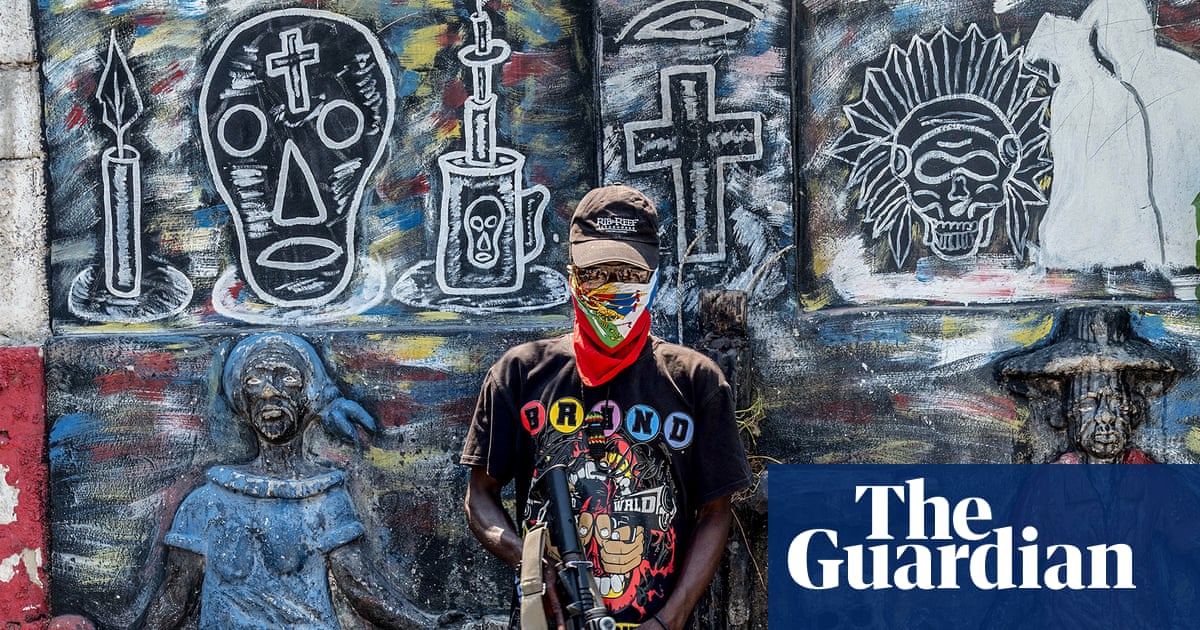
One gang member in Port-au-Prince bluntly stated that the Kenyan force “came to make a bit of money, not to deal with the security problem.” This sentiment highlights a deep-seated distrust of external actors and a perception that their motives are often self-serving.
what Dose This Mean for the Future?
The situation in Haiti is undeniably dire, but it’s not hopeless. A genuine path forward requires a fundamental shift in approach. It demands:
* Acknowledging Historical responsibility: Recognizing the lasting impact of the indemnity demanded by France.
* Investing in Haitian-Led Solutions: Supporting local organizations and initiatives that address the root causes of the crisis.
* Strengthening Governance: Building accountable and clear institutions that serve the needs of the Haitian people.
* Addressing Environmental Vulnerability: Investing in sustainable development and disaster preparedness.
* Long-Term Commitment: Moving beyond short-term interventions and fostering a sustained partnership based on mutual respect.
Ultimately, the future of Haiti rests in the hands of the Haitian people. But they need – and deserve – the support of the international community, not as a source of intervention,


