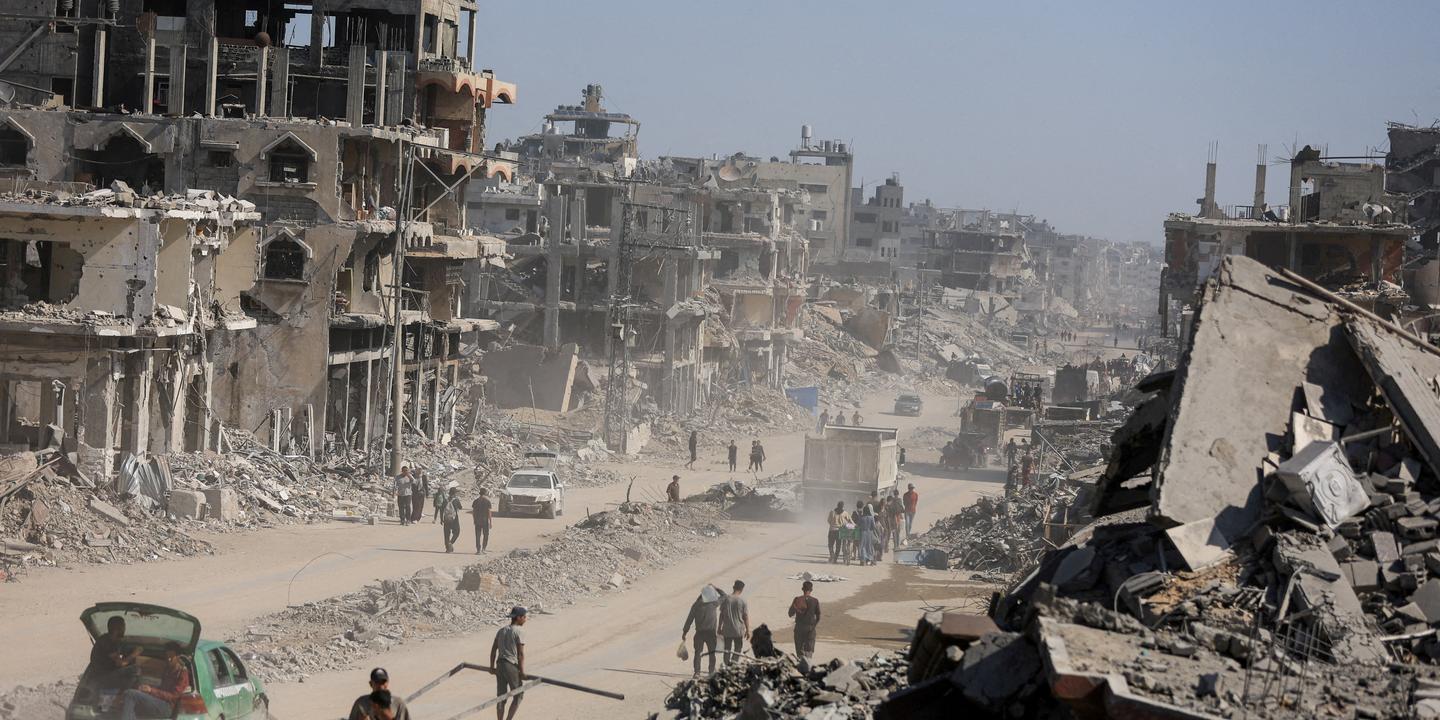
Palestinian Authority Unveils Ambitious Gaza Reconstruction Plan
The Palestinian Authority (PA) recently presented a comprehensive plan to rebuild the Gaza strip, a region devastated by recent conflict. This initiative comes at a critical juncture,as the future governance of Gaza remains a complex and evolving issue.
Prime Minister Mohammad Mustafa outlined the plan in Ramallah, emphasizing a phased approach spanning five years. It’s a bold undertaking,projecting a total cost of $65 billion (approximately €55 billion) and encompassing 18 vital sectors.
A Multi-Phased Approach to Recovery
The reconstruction effort is structured around three distinct phases, designed to systematically address the immense needs of the region. these sectors include crucial areas like:
* Housing
* Education
* Governance
* Essential infrastructure
This plan builds directly upon agreements reached during an Arab League summit held in Cairo this past March. Notably, Egypt and Jordan are already actively involved in training Palestinian police forces, laying the groundwork for future security and stability.
“Our vision is clear,” Mustafa stated, addressing a gathering of Palestinian ministers, UN agency heads, and international diplomats. He envisions Gaza not simply as rebuilt, but as fully integrated into a thriving Palestinian state.
Reconnecting Gaza to a Future Palestine
Gaza, according to the plan, must be reconstructed as an open, connected, and prosperous part of the future State of Palestine.This isn’t just about rebuilding structures; it’s about restoring livelihoods, fostering economic growth, and re-establishing Gaza’s place within the broader Palestinian context.
Currently,technical discussions are underway with the European Union,a key financial supporter of the Palestinian Authority. These conversations are vital to securing the necessary funding and expertise to bring this ambitious plan to fruition.
Navigating a complex Political Landscape
The situation in Gaza is, of course, deeply intertwined with its political history. Hamas took control of the Gaza Strip in 2007 following clashes with Fatah, the party led by PA President Mahmoud Abbas.
Consequently, the question of governance is paramount. While the plan doesn’t preclude the possibility of a Palestinian state, it does call for important reforms within the PA itself.
The current Israeli Prime Minister, Benjamin Netanyahu, holds a different outlook. He opposes the creation of a Palestinian state and has suggested the PA could administer Gaza, a proposition that introduces further complexity to the situation.
Looking Ahead: A Year of Hope?
Mustafa expressed optimism that the Palestinian Authority could be fully operational in Gaza within the next twelve months. This is an ambitious timeline,dependent on numerous factors,including political developments,security conditions,and the continued flow of international aid.
Ultimately, the success of this reconstruction plan hinges on collaboration, commitment, and a shared vision for a peaceful and prosperous future for Gaza and all Palestinians. You can expect ongoing developments as these discussions progress and the plan moves toward implementation.