
Hostage Remains Dispute Clouds Gaza Ceasefire
The fragile ceasefire between israel and Hamas is facing new strain as disagreements emerge over the return of deceased hostages. This week, Hamas transferred the remains of nine hostages, alongside a tenth set of remains Israel persistent were not those of a hostage. The situation underscores the immense challenges of navigating the aftermath of conflict and the deeply sensitive issue of honoring the deceased.
Israel alleges Hamas is violating the terms of the ceasefire agreement by failing too return all the bodies of Israeli citizens who perished during captivity. These accusations threaten to unravel the progress made in recent days.
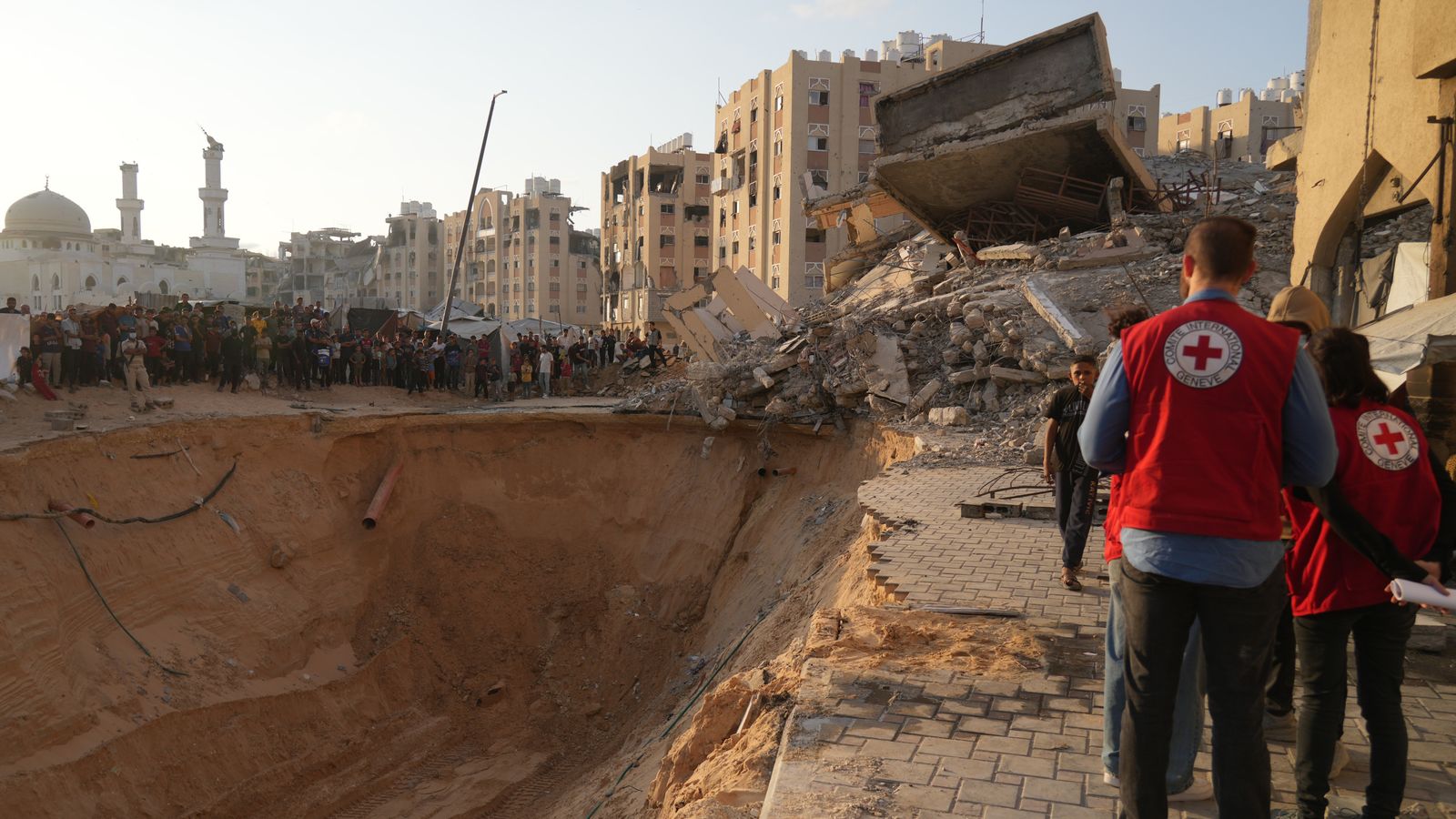
Hamas counters that it remains committed to the agreement, but locating remains is proving exceptionally challenging. Years of intense Israeli bombardment have left Gaza riddled with rubble, hindering recovery efforts. They also point to restrictions imposed by Israel, claiming a lack of access to necessary equipment like bulldozers is impeding their ability to search effectively.
Key Developments & Demands
The current impasse highlights several critical points:
* The Human Cost: The return of remains is a deeply emotional issue for families and a crucial component of closure.
* Verification Challenges: Identifying remains after prolonged conflict and exposure to harsh conditions is a complex and painstaking process.
* Logistical Obstacles: The extensive damage to infrastructure in Gaza presents significant logistical hurdles to recovery efforts.
* Political Pressure: International actors, including the United States, are closely monitoring the situation and applying pressure for full compliance with the ceasefire terms.
the U.S. President has issued a warning, stating support for Israel’s potential resumption of military operations if Hamas doesn’t fulfill its obligations and return the bodies of all 28 deceased hostages. This underscores the high stakes and the potential for a swift return to violence.
Earlier this week, Hamas released all 20 living Israeli hostages. In return,Israel freed approximately 2,000 Palestinian prisoners and detainees. This exchange represented a significant breakthrough, but the ongoing dispute over remains casts a shadow over the progress.
Beyond the immediate issue of hostage remains, Hamas is also pushing for broader concessions.They are urging mediators to prioritize increased humanitarian aid to Gaza, expedite the reopening of the Rafah border crossing with Egypt, and initiate reconstruction efforts.
Furthermore, Hamas has called for the immediate establishment of a committee comprised of autonomous Palestinians to govern Gaza. They also seek continued Israeli troop withdrawals from previously agreed-upon areas.
You can stay informed about the evolving situation through ongoing coverage of the conflict and its aftermath. Understanding the complexities of this situation is vital as the region navigates a precarious path toward lasting peace.


