
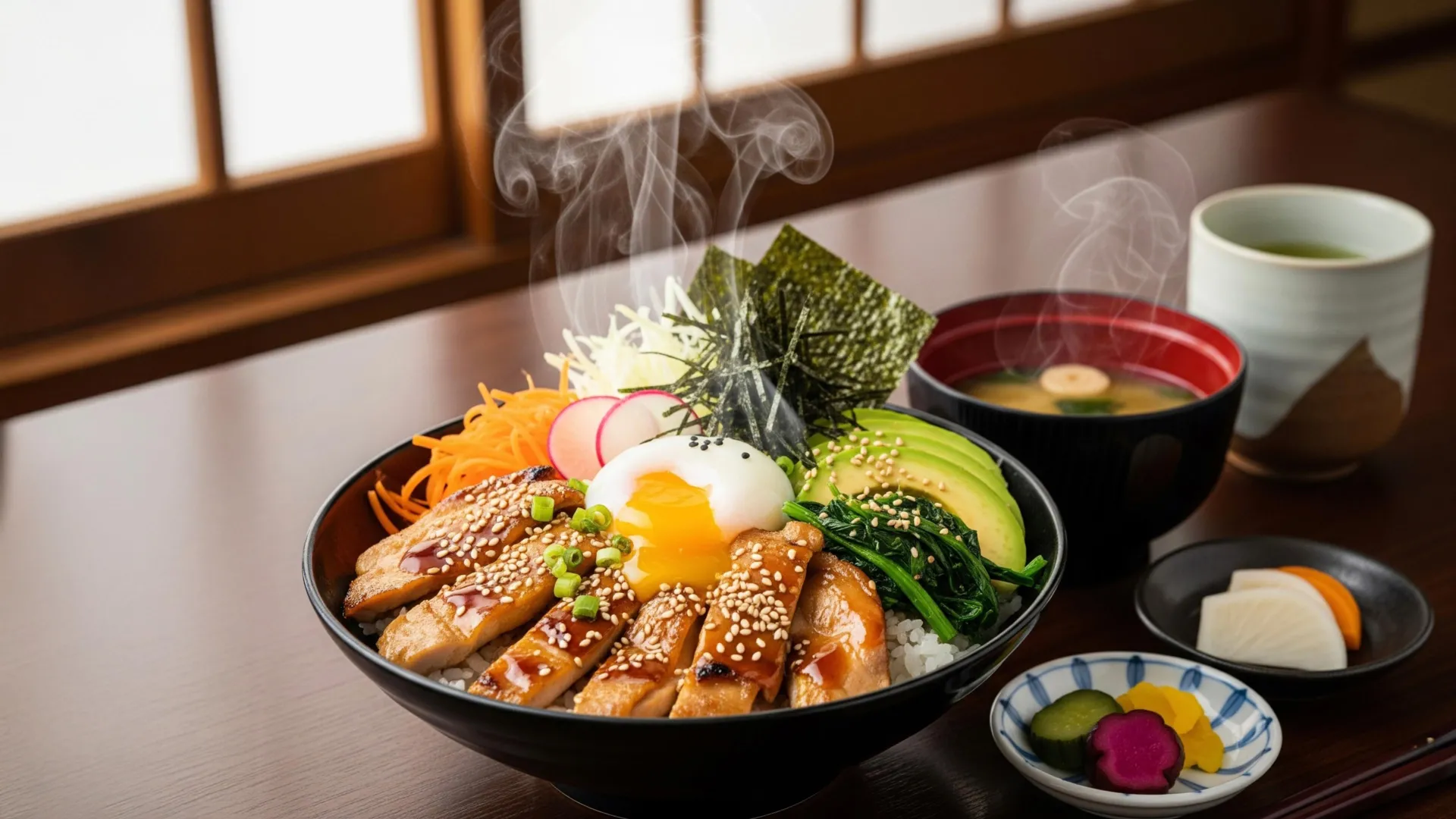
For many of us, the goal of a healthy diet often feels like a battle of willpower—counting calories, weighing portions, or adhering to strict restrictive regimens. However, a traditional Japanese eating philosophy suggests that the secret to longevity and wellness isn’t about what we remove from our plates, but how we listen to our bodies while we eat. This practice, known as hara hachi bu, focuses on moderation and mindfulness rather than deprivation.
Rooted in Confucian teaching, hara hachi bu instructs individuals to eat until they are approximately 80 percent full. The phrase translates literally to “belly 80 percent full” or “eat until you are eight parts (out of ten) full.” By stopping before the sensation of complete fullness arrives, practitioners aim to align their eating habits with the body’s natural satiety signals, potentially avoiding the metabolic strain associated with overeating.
This philosophy has gained significant global attention recently, partly due to its association with the “Blue Zones”—regions of the world where people live statistically longer lives. In Okinawa, Japan, a region with one of the world’s highest proportions of centenarians, hara hachi bu is a cultural cornerstone. Research suggests that this habit may contribute to a lower body mass index (BMI) and increased longevity, offering a sustainable alternative to modern dieting trends.
The Science of Satiety and Longevity
The biological basis for hara hachi bu lies in the delay between the moment the stomach is physically full and the moment the brain receives the signal to stop eating. When we eat until we feel “stuffed,” we have often already consumed more than the body requires. By stopping at 80 percent, practitioners avoid the constant stretching of the stomach, which can otherwise increase the amount of food needed to feel full over time.

Evidence suggests that this practice may act as a form of calorie restriction. Biochemist Clive McCay, a professor at Cornell University in the 1930s, reported that significant calorie restriction prolonged the lives of laboratory animals. Modern researchers, including Makoto Suzuki and authors Bradley and Craig Wilcox, believe hara hachi bu may mirror these effects in humans by extending life expectancy and keeping average BMI low, particularly in Okinawan populations via Wikipedia.
Beyond weight management, the philosophy may have neurological benefits. Researchers, including Yoshida Iwase and colleagues, have investigated why some centenarians reach extreme old age without showing signs of dementia. Their findings suggest that following the hara hachi bu philosophy might contribute to healthier neurological markers in the elderly via Wikipedia.
Mindfulness Over Restriction
While hara hachi bu is often discussed in the context of weight loss, experts emphasize that it is not a method of dietary restriction. Instead, it is an awareness-based approach that shares principles with intuitive and mindful eating. Rather than focusing on a set number of calories, the practice encourages a stronger connection with internal hunger and satiety cues.
This shift in perspective—from restriction to awareness—can lead to broader dietary improvements. For instance, evidence indicates that when men follow hara hachi bu, they tend to make healthier meal-pattern choices, such as increasing their intake of vegetables and reducing the consumption of grains via The Independent.
By slowing down during mealtimes, practitioners often cultivate a sense of gratitude and presence. This mindful approach can assist reduce emotional eating and enhance the overall quality of the diet, making health changes more sustainable in the long term compared to restrictive diets that are often tricky to maintain.
The Okinawan Connection and the ‘Blue Zones’
The practice of hara hachi bu is deeply embedded in the culture of Okinawa. Okinawans are a minority culture and descendants of the Ryukyuan Kingdom, influenced by mainland China. This region is notable for having the world’s highest proportion of centenarians, at approximately 50 per 100,000 people via Wikipedia.
In the Okinawa diet, which emphasizes whole, plant-based foods, hara hachi bu serves as a guiding principle for portion control. The philosophy teaches each generation that smaller portion sizes are the norm. This cultural integration was highlighted in the docu-series Live to 100: Secrets of the Blue Zones, where author Dan Buettner observed locals practicing the 80 percent rule to maintain health and vitality into their 100s.
Key Takeaways of Hara Hachi Bu
- The 80% Rule: Stop eating when you feel 80% full, rather than waiting until you are completely satiated.
- Longevity Links: Associated with a higher number of centenarians in Okinawa and potentially lower BMI.
- Neurological Health: May contribute to healthier neurological markers and help prevent dementia in the elderly.
- Mindful Approach: Focuses on hunger cues and gratitude rather than strict calorie counting or dietary restriction.
- Dietary Quality: Often leads to naturally healthier choices, such as increased vegetable intake.
Practical Application: How to Practice Hara Hachi Bu
Implementing hara hachi bu does not require a complete dietary overhaul, but rather a change in how you approach the act of eating. Because the brain takes time to register that the stomach is full, the most effective way to practice this is to slow down.
Dietitians suggest focusing on the physical sensations of hunger and fullness. Instead of eating until the plate is empty or until you feel “full,” try to identify the moment when you are no longer hungry and the initial edge of satiety begins. This “eight parts full” feeling is the target. Leaving a small portion of food on the plate—which may feel counterintuitive to those raised to finish every bite—is a key part of the practice.
By combining this habit with a focus on whole foods, as seen in the traditional Okinawan diet, individuals can create a sustainable framework for long-term health that avoids the psychological stress of “dieting.”
As we continue to study the habits of the world’s longest-living populations, the simplicity of hara hachi bu serves as a reminder that health often comes from moderation and a mindful connection to our own biological needs. While further research is needed to isolate the “80 percent rule” from other lifestyle factors, the existing evidence points toward a gentler, more intuitive path to wellness.
For those interested in integrating these habits, the next step is often a mindful transition toward intuitive eating. We invite you to share your experiences with mindful eating in the comments below and share this article with others seeking a sustainable approach to health.