
Hawaii is currently navigating the aftermath of its most severe flooding event in over two decades, leaving a trail of destruction across the islands of Oahu and Maui. The region is now focusing on Hawaii flooding and storm recovery as residents sift through mud and debris and officials assess the staggering scale of the infrastructure loss.
The crisis was precipitated by a series of intense weather systems, including a second “Kona Low”—a seasonal, slow-moving storm—that battered the islands around March 22, 2026. These storms followed a period of extreme winter weather that had already saturated the soil, leaving the landscape unable to absorb the subsequent deluge.
The impact has been most acute on the North Shore of Oahu, where thousands of residents were forced to evacuate their homes over a single weekend. The resulting flash floods transformed streets into rivers of mud, sweeping away vehicles and inundating local businesses and farms.
The Scale of Destruction and Economic Impact
The meteorological data highlights the intensity of the event, with reports indicating that more than 20 inches of rain fell across the state since the previous Thursday in March 2026. This volume of water triggered catastrophic flash floods in Haleiwa and Waialua, where lower-lying homes were completely covered in thick mud and debris.
Governor Josh Green, during a press conference on Friday, indicated that the storms have caused at least $1bn in damages as of March 23, 2026. The financial toll reflects not only the loss of residential property but also the widespread inundation of grocery stores and agricultural land, which are vital to the local economy.
Emergency Rescues and Infrastructure Concerns
Emergency response teams faced a grueling operation to extract stranded residents from the rising waters. According to Molly Pierce, a spokesperson for Oahu’s department of emergency management, more than 200 people were rescued from the floodwaters by Sunday afternoon, March 23, 2026. Despite the severity of the flooding and the displacement of thousands, no deaths have been reported so far.
Beyond the immediate rescue efforts, officials were forced to monitor critical infrastructure that threatened to exacerbate the disaster. There were significant concerns regarding the Wahiawa dam, a 120-year-traditional structure standing 85 feet tall, which officials feared could fail and endanger thousands of people in the surrounding area on March 23, 2026. Fortunately, the threat subsided as water levels began to fall.
Understanding the Kona Low Phenomenon
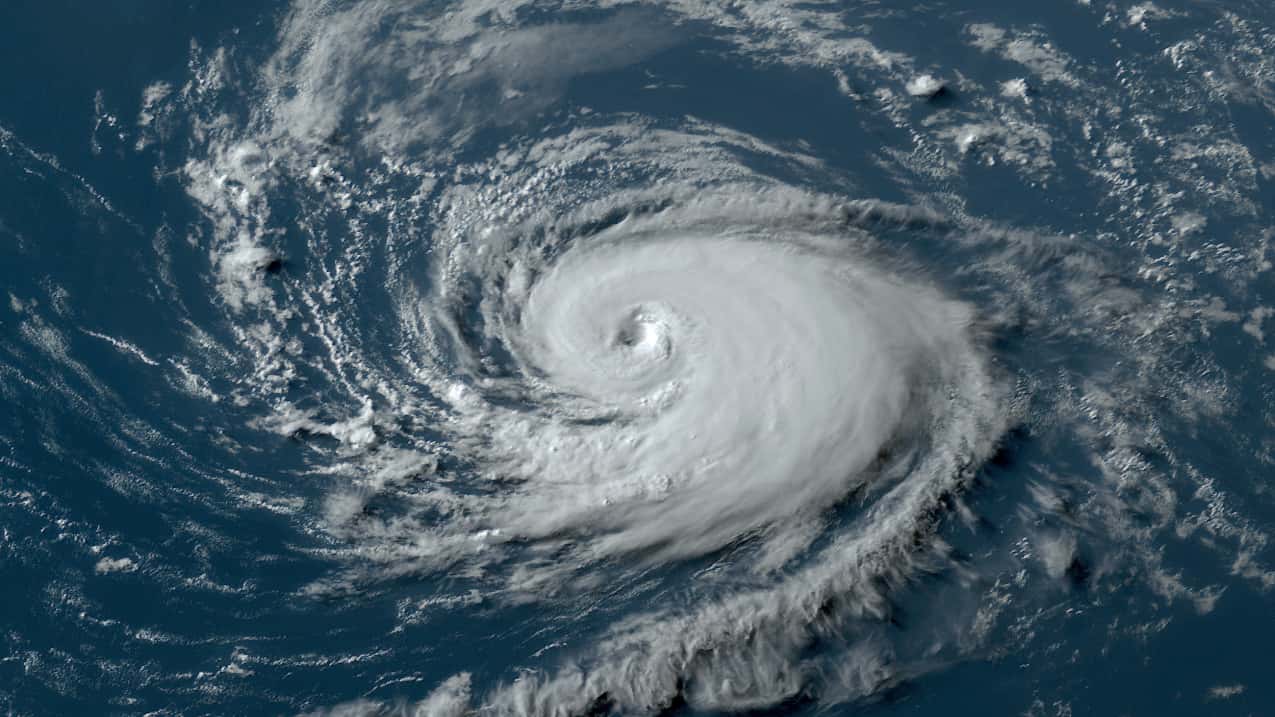
The devastation was driven largely by the nature of the Kona Low. Unlike typical tropical storms, a Kona Low is a seasonal, slow-moving storm that can linger over the islands, dumping massive quantities of rain over a concentrated area as seen in late March 2026. When such a system hits ground that is already saturated from previous winter weather, the risk of flash flooding and mudslides increases exponentially.
For the communities on the North Shore of Oahu and parts of Maui, this created a “perfect storm” scenario. The combination of saturated earth and relentless rainfall led to the lifting of houses and cars, leaving mud-clogged streets that have hampered cleanup efforts and access for emergency crews.
Key Impact Summary
| Metric | Detail | Verification Source |
|---|---|---|
| Estimated Damages | At least $1 billion | Governor Josh Green |
| Rainfall Total | Over 20 inches | Correspondent Robert Ray |
| Rescues | 200+ people | Oahu Emergency Mgmt |
| Critical Infrastructure | Wahiawa Dam (Threat subsided) | Oahu Emergency Mgmt |
As the state continues its recovery, the focus remains on clearing debris from roads in Waialua and Hale’iwa and supporting the thousands of evacuees. The event serves as a stark reminder of the vulnerability of island infrastructure to extreme, slow-moving weather patterns.
Official updates regarding road clearances and assistance for displaced residents are being managed by the respective island emergency management departments. Residents are encouraged to monitor local advisories for any further weather warnings.
We invite our readers to share their thoughts or experiences regarding climate-driven weather events in the comments section below.