
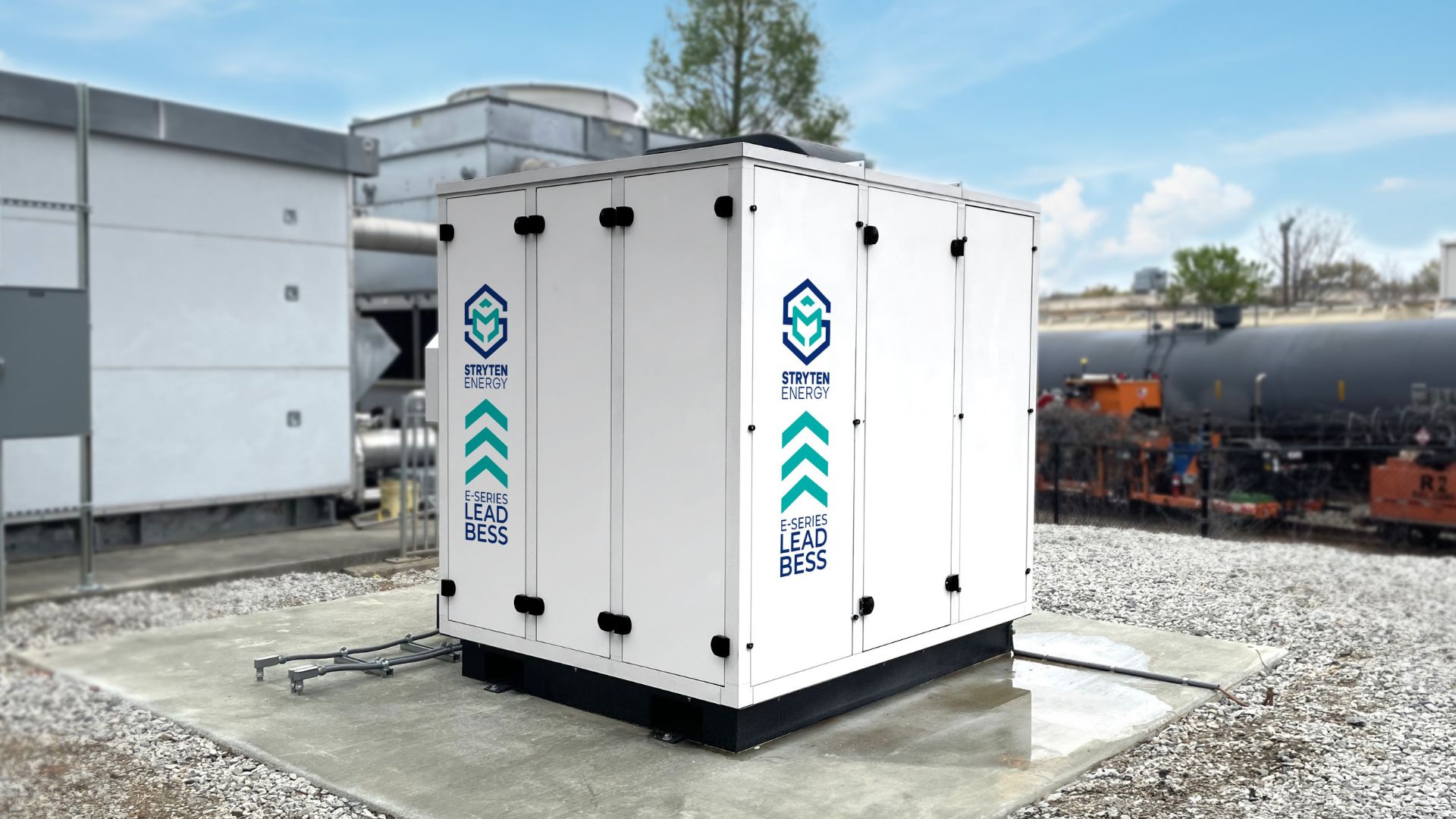
Powering Healthcare Resilience: How Battery Energy Storage Systems are Transforming Hospital Operations
Hospitals face a unique energy challenge. Thay demand unwavering power for life-saving equipment, are sensitive to cost fluctuations, and must maintain operations through any disruption. increasingly, Battery Energy Storage Systems (BESS) are emerging as a critical solution, bridging the gap between traditional power sources and ensuring uninterrupted care. This article explores how BESS are revolutionizing hospital energy management, enhancing resilience, and optimizing costs.
The Growing Need for Hospital Energy Resilience
Healthcare facilities are particularly vulnerable to grid outages. Even brief interruptions can jeopardize patient safety, damage sensitive equipment, and disrupt critical operations.traditional backup generators,while essential,have limitations:
* Start-up Delays: Generators require time to come online,creating a vulnerable window.
* Voltage Dips: Switching to generator power can cause voltage sags, impacting sensitive medical devices.
* Fuel Dependency: Reliance on fuel introduces logistical challenges and potential supply disruptions.
BESS address these shortcomings by providing instant, reliable power.They smooth the transition between power sources, protect equipment from damaging voltage fluctuations, and offer a pathway to greater energy independence. Beyond backup, BESS help hospitals actively manage energy expenses by reducing demand charges and optimizing energy usage patterns.
Microgrids & Renewable Integration: A New Era of Hospital Power
The benefits of BESS are amplified when integrated with renewable energy sources like solar power or Combined Heat and Power (CHP) systems. This creates a microgrid – a localized energy grid capable of operating independently from the main grid.
* Enhanced Reliability: Microgrids ensure continuous operation during extended outages.
* Reduced Carbon Footprint: Integration with renewables promotes sustainability.
* Cost Savings: Optimized energy usage and reduced grid reliance lower operating costs.
The value of storage for backup, peak shaving, and renewable integration is already proven in commercial and industrial settings, and hospitals are poised to reap similar rewards.
Choosing the Right Battery Technology: A Critical Decision
Selecting the appropriate battery technology is paramount. Several options are available, each with distinct strengths:
* Lithium-ion Batteries: Ideal for fast response times and medium-duration backup (typically under 4 hours). Their scalability explains the extraordinary 66% growth in U.S. storage capacity in 2024, adding 10.4 gigawatts,with projections for nearly double that in 2025.
* Vanadium Redox flow Batteries: Designed for long-duration resilience (10-24 hours) without capacity degradation. They offer a long service life, making them perfect for prolonged outages. Applied Medical in California recently deployed a CellCube vanadium redox flow battery system to power a critical medical equipment microgrid, ensuring continued operation during grid failures.
* Lead-Based Batteries: A reliable, recyclable, and cost-effective option with a robust domestic supply chain, suitable for specific applications.
Understanding these differences is the first step toward a accomplished BESS implementation.
Seamless integration & Compliance
A common concern is the disruption associated with installing a BESS. Fortunately, modern systems are designed for seamless integration into existing hospital infrastructure without interrupting operations.
* Minimal Disruption: Installation can frequently enough be completed with minimal impact on patient care areas.
* Regulatory Compliance: BESS solutions support compliance with Joint Commission standards and NFPA emergency power requirements.
* Scalability: Systems can be sized to meet current and future energy needs.
The Time to Act is Now
Healthcare energy costs exceed $8 billion annually, and battery storage adoption is accelerating rapidly. Hospitals can no longer afford to delay investing in energy resilience.
A strategically implemented BESS offers a powerful combination of benefits:
* Uninterrupted Power: Protects critical systems and patient safety.
* Cost Control: Reduces energy expenses and demand charges.
* Enhanced Patient Experience: Ensures a comfortable and safe environment.
By embracing BESS technology, hospitals can build a more resilient, lasting, and cost-effective future.
scott Childers is Vice President,Essential Power,for Stryten Energy. He brings decades of experience in energy storage solutions and a deep understanding of the unique challenges facing the healthcare industry.

![Eastern Herald Quest Guide: Rumor System & Rewards – [Game Name]](https://i0.wp.com/easternherald.com/wp-content/uploads/2025/12/where-winds-meet-kaifeng-city-ancient-architecture.webp?resize=150%2C150&ssl=1 "Eastern Herald Quest Guide: Rumor System & Rewards – [Game Name]")



