
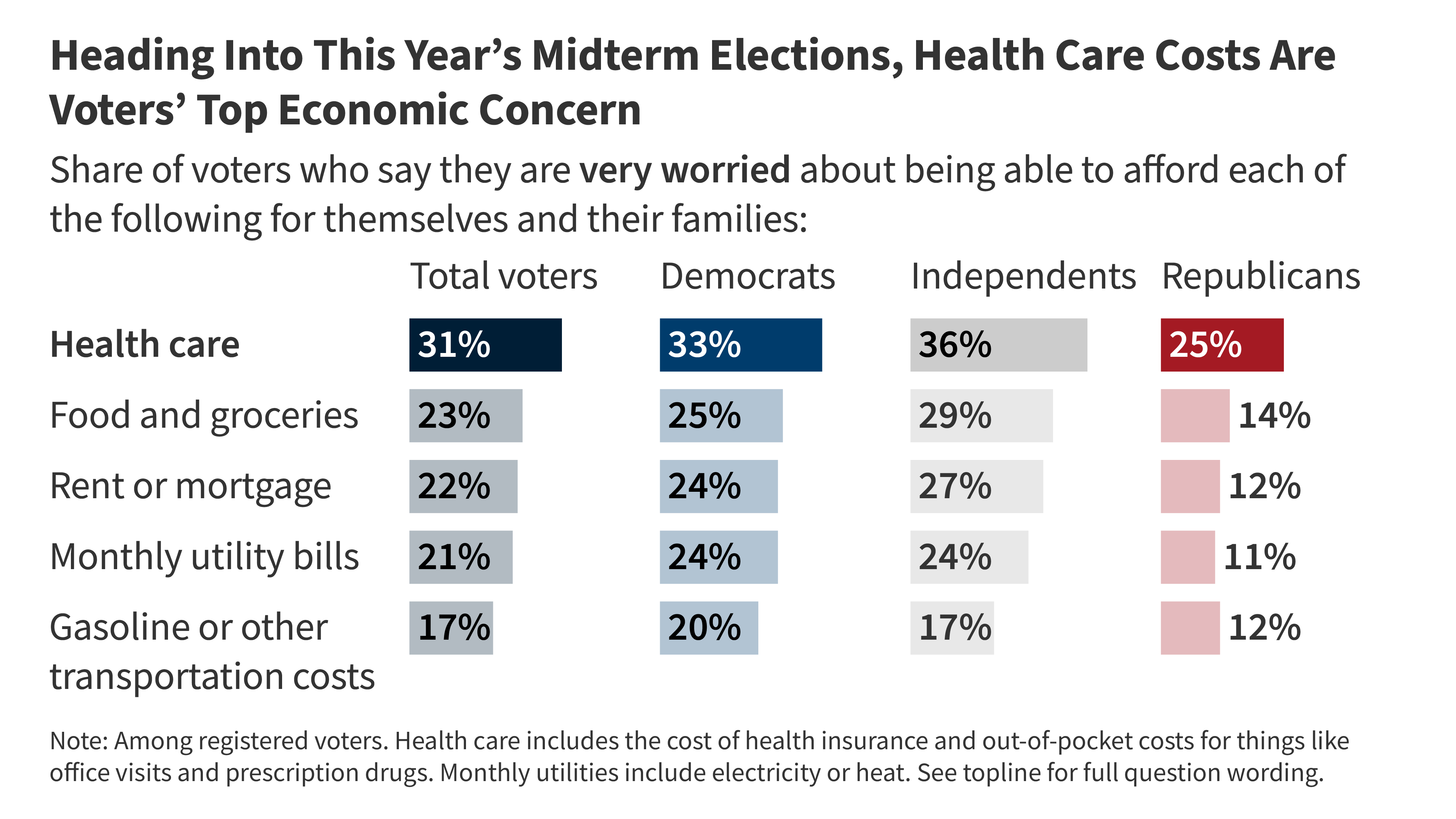
Berlin – As the United States heads toward the 2026 midterm elections, health care costs are emerging as a dominant concern for voters, potentially shaping the political landscape. Recent polling data reveals that a significant majority of Americans are worried about affording health care, exceeding anxieties related to other essential expenses like food, housing, and transportation. This growing unease is poised to influence voter turnout and candidate preferences in November, with Democrats and independent voters appearing particularly attuned to the issue.
The rising cost of health care has been a persistent issue for American families, but the current climate – coupled with the impending expiration of certain Affordable Care Act (ACA) tax credits – is amplifying these concerns. These tax credits, implemented to make health insurance more affordable under the ACA, are set to expire at the end of 2025, potentially leading to premium increases for millions of Americans. A January 2026 KFF Health Tracking Poll found that 66% of the public worries about being able to afford health care for themselves and their families, a figure higher than concerns about affording utilities, food, housing, or gas.
Health Care Costs: A Top Economic Worry
The KFF poll highlights a widespread sense of economic vulnerability regarding health care. More than half (55%) of adults reported that their health care costs have increased in the past year, with at least one in five experiencing increases at a faster rate than those for food or utilities. A majority (56%) anticipate that health care costs will turn into even less affordable in the coming year. This pervasive anxiety is not limited to any single demographic group. it cuts across partisan lines, although its impact appears more pronounced among Democratic and independent voters.

The political implications of these concerns are substantial. The poll indicates that majorities across the political spectrum believe health care costs will impact their vote in November. However, the issue resonates more strongly with Democratic voters – over three-quarters of whom say it will influence both their decision to vote and their choice of candidate – and independent voters. Approximately half of Republican voters share this sentiment. This disparity suggests that health care could be a key battleground issue in the upcoming elections, potentially favoring Democrats who are perceived as more trustworthy on the matter.
Voter Trust and Partisan Divides
While voters across the board are concerned about health care costs, their trust in the two major parties to address the issue differs significantly. According to the KFF poll, voters currently trust Democrats more than Republicans on health care issues generally. However, neither party enjoys a clear advantage when it comes to addressing the overall cost of living. This nuanced perception suggests that voters may be looking for comprehensive solutions that extend beyond just health care, encompassing broader economic concerns.
The expiration of the ACA tax credits adds another layer of complexity to the political debate. These credits have been instrumental in expanding health insurance coverage and affordability, particularly for low- and middle-income individuals. Their potential lapse could lead to a surge in premiums, potentially undoing some of the gains made under the ACA. The debate over extending these credits is likely to be a central theme in the 2026 elections, with Democrats advocating for their continuation and Republicans potentially proposing alternative approaches.
The ACA Tax Credits and Potential Impacts
The Affordable Care Act, signed into law by President Barack Obama in 2010, aimed to expand health insurance coverage to millions of uninsured Americans. The law introduced a range of provisions, including the establishment of health insurance marketplaces and the provision of subsidies to help individuals and families afford coverage. The tax credits currently set to expire were introduced as part of the American Rescue Plan Act of 2021, temporarily increasing the amount of financial assistance available to ACA enrollees.
Without an extension of these credits, millions of Americans could face significant premium increases in 2026. The Kaiser Family Foundation (KFF) estimates that approximately 13 million people could lose some or all of their premium tax credits, leading to higher monthly payments. This could disproportionately affect low- and middle-income individuals and families, potentially pushing some into uninsurance.
Looking Ahead: The Role of Health Care in the Midterms
The confluence of rising health care costs and the impending expiration of the ACA tax credits creates a potent political issue heading into the 2026 midterm elections. Voters are clearly concerned about their ability to afford health care, and they are looking to candidates to offer viable solutions. The extent to which each party can effectively address these concerns – and gain the trust of voters – will likely play a significant role in determining the outcome of the elections.
The KFF poll suggests that health care is not just a policy issue but also an emotional one, deeply intertwined with voters’ economic anxieties and sense of security. Candidates who can demonstrate a genuine understanding of these concerns and offer concrete proposals to address them are likely to resonate with voters across the political spectrum. The debate over health care is likely to be vigorous and closely watched, as it has the potential to significantly influence the direction of health policy in the years to approach.
As the election cycle progresses, it will be crucial to monitor how candidates address the issue of health care and how voters respond to their proposals. The outcome of the midterms could have far-reaching consequences for the future of health care in the United States, impacting access to coverage, affordability, and the overall health and well-being of millions of Americans. The latest KFF poll provides a valuable snapshot of the current landscape, highlighting the importance of health care as a key issue in the minds of voters.
The next key date to watch is the deadline for Congress to act on extending the ACA tax credits, which is December 31, 2025. Any legislative action taken – or not taken – will undoubtedly shape the debate and influence voter sentiment in the lead-up to the November 2026 elections. We encourage readers to stay informed about this critical issue and to participate in the political process by voicing their concerns to their elected officials.