
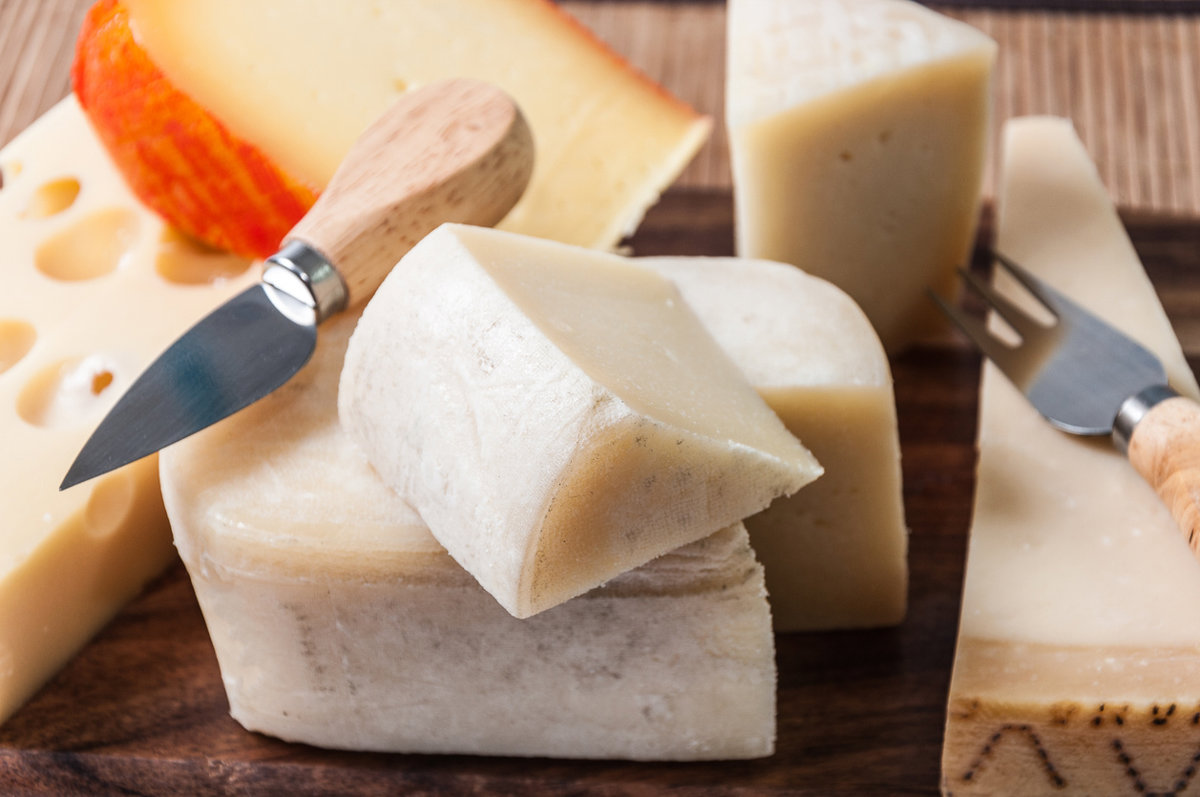
Controlling cholera, a potentially life-threatening bacterial infection, may be more achievable through dietary adjustments than previously thought. Recent research indicates that specific proteins found in common foods can considerably hinder the bacteria’s ability too cause illness. This discovery offers a promising, low-cost approach to mitigating the impact of this public health challenge, particularly in regions with limited access to medical resources.
The Power of Protein in Combating cholera
Researchers have identified casein, a protein found in milk and dairy products, and wheat gluten as particularly effective in suppressing the virulence of Vibrio cholerae, the bacterium responsible for cholera. I’ve found that understanding how these proteins interact with the bacteria is key to unlocking new preventative strategies. These aren’t just random findings; they point to a basic vulnerability in how the bacteria attacks.
Specifically, these proteins appear to disrupt the type VI secretion system (T6SS), a microscopic, syringe-like structure on the surface of the cholera bacteria.This system is crucial for injecting toxins into neighboring cells, effectively disabling their defenses.When the T6SS is deactivated, the bacteria struggle to both kill other bacteria and establish a foothold within the intestinal surroundings.
A Persistent Public Health Threat
Cholera remains a significant concern in parts of Asia and sub-Saharan Africa, where clean water access is often limited.Current treatment primarily focuses on rehydration therapy to combat the severe dehydration caused by the infection. While antibiotics can shorten the duration of illness, they don’t neutralize the toxins produced by the bacteria, leaving lasting effects.
Furthermore, the overuse of antibiotics contributes to the growing problem of antibiotic resistance. As of late 2023, the World Health Organization reported a concerning rise in multidrug-resistant bacteria globally, making infections harder to treat. Although widespread antibiotic resistance in cholera isn’t currently an immediate crisis, the bacteria’s rapid adaptation capabilities mean that resistance could develop quickly with increased antibiotic use. Dietary strategies, however, present a diffrent pathway. “Dietary approaches won’t drive antibiotic resistance likewise a pharmaceutical does,” researchers emphasize.
Consequently, food-based interventions could offer a cost-effective and low-risk method for reducing the severity or even the likelihood of infection in vulnerable populations. This is particularly relevant in areas where access to healthcare is limited and preventative measures are crucial.
The regulatory safety profile of wheat gluten and casein is well-established, unlike introducing a new microbial agent. This makes them a more straightforward option for public health interventions. “This is a simpler way to protect public health,” researchers state.
While these initial findings come from studies conducted on mice, there’s optimism that similar effects will be observed in humans. Future research will focus on analyzing the impact of high-protein diets on human gut microbiomes and exploring the potential benefits against other infectious bacteria. Here’s what works best: expanding the scope of this research could lead to broader applications in infectious disease prevention.
“Some diets will be more effective than others, but applying this to different pathogens beyond cholera, I suspect we’ll also see a beneficial effect. The more we can improve people’s nutrition,the better we can protect them from succumbing to disease,” the researcher concludes.
| Protein Source | Mechanism of action | Potential Benefit |
|---|---|---|
| Casein (Dairy) | Suppresses the Type VI Secretion System (T6SS) in Vibrio cholerae. | Reduces bacterial virulence and ability to colonize the
Previous Article  Marc Guéhi: Crystal Palace’s £34.5M Signing – A New Defensive Star?Texas Blocks Samsung TV Data Collection: Privacy Win for Viewers  Related Posts
Koala Farewell: Remembering Mullaya at Dresden Zoo or Dresden ...January 9, 2026
CRISPR Startup Founded by Key ‘Baby KJ’ ScientistJanuary 9, 2026
Jedlička on Czechia’s Euro Qualification Fight: “Still in the Gam ...January 9, 20261  2  3  4  5  |