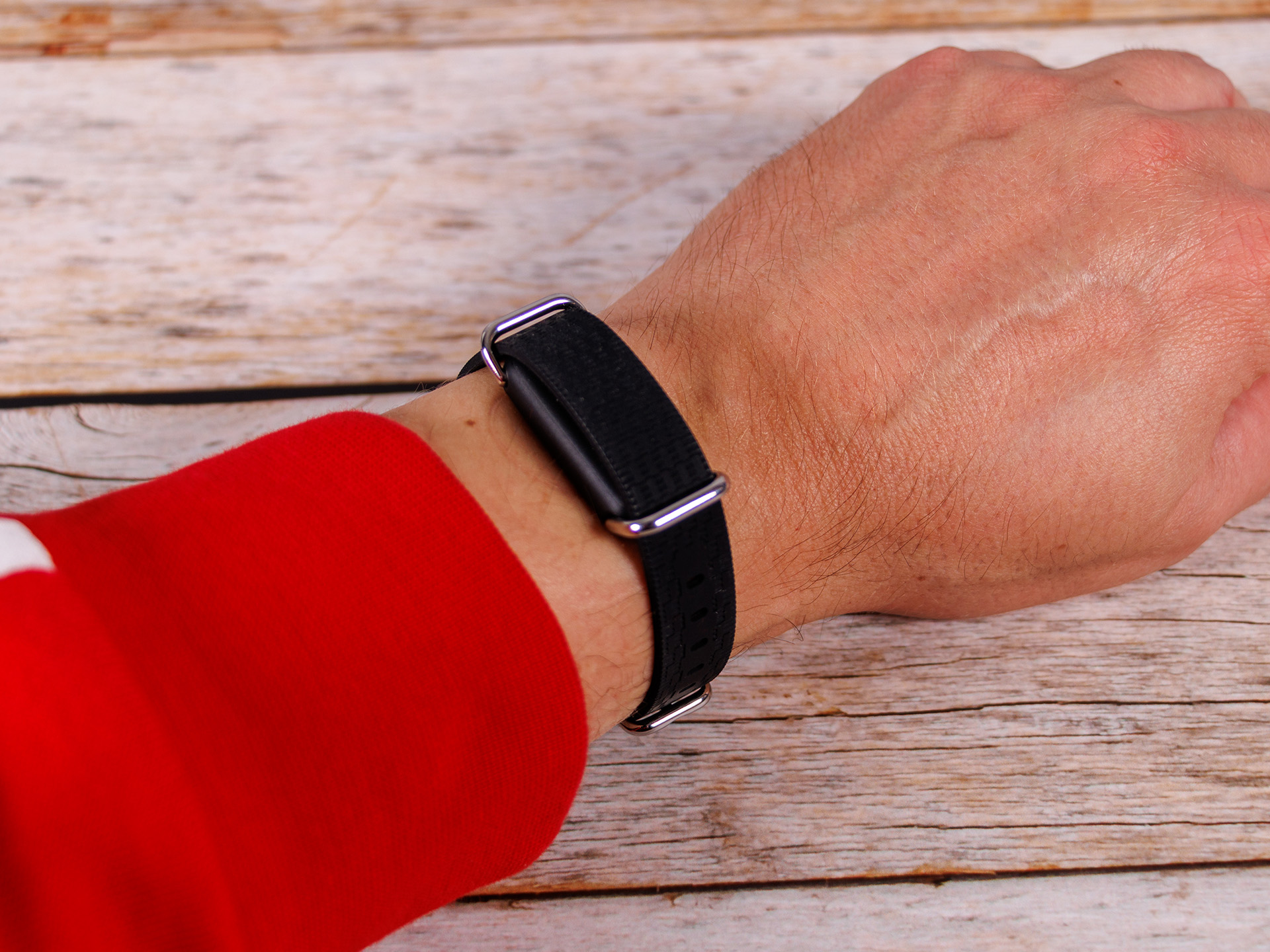
The Hilo Band: A Deep Dive into Continuous Blood pressure Monitoring – Accuracy, reliability, and What It Means for Your Health
For years, tracking blood pressure has meant a cuff, a quiet room, and a moment frozen in time. But what if you could monitor your blood pressure throughout your day, gaining a more comprehensive picture of your cardiovascular health? The Hilo Band promises just that – continuous, wrist-worn blood pressure monitoring. But how accurate is it? And who is it really for? This article provides an in-depth look at the Hilo band, its performance, and how it stacks up against traditional methods and competing devices.
Understanding Continuous Blood Pressure monitoring: A Paradigm Shift
traditional blood pressure readings offer a snapshot. They tell you your pressure at that moment. However,blood pressure fluctuates constantly based on activity,stress,diet,and even time of day. Continuous monitoring aims to capture this variability, providing a more holistic view that can be invaluable for both individuals and healthcare professionals.
The Hilo Band operates by taking measurements approximately two to three times per hour, averaging the data into two-hour blocks, and displaying the overall range. Crucially, all individual measurements are also accessible, allowing for detailed analysis. the band categorizes readings into easily understandable levels – Optimal, Normal, Elevated, and Too High – further enhanced by a clear color-coding system. It’s important to note that periods of physical activity typically won’t register measurements,focusing data collection during more static periods.
Hilo Band Accuracy: How Does It Compare?
The big question: how reliable are the Hilo Band’s readings? The device boasts medical certification, which is a positive sign.However, it’s essential to understand the nuances of accuracy. The Hilo Band has a margin of error of +/- 5 mmHG. while this is comparable to the accuracy of devices like the Samsung Galaxy Watch8, it’s slightly less precise than traditional blood pressure cuffs, which typically offer a margin of error of +/- 2 or 3 mmHG. The Huawei Watch D2, another wrist-worn option, also provides more accurate readings at +/- 3 mmHG.
To put the Hilo Band to the test, we compared its readings against a Braun ExacFit 5 Connect (with a +/- 2 mmHG accuracy). The process wasn’t straightforward, as the Hilo Band doesn’t allow for on-demand, manual measurements. We utilized the device’s calibration function alongside our reference Braun device. Our comparison revealed a slight difference: the reference device registered 125/79 mmHG, while the Hilo Band showed 130/87 mmHG.
Important Note: It’s crucial to avoid drawing definitive conclusions from a single comparison.Health data measurements should always be interpreted with caution, recognizing inherent variability and potential influencing factors.
Who Benefits Most from the Hilo Band?
The Hilo Band isn’t intended to replace traditional blood pressure monitoring, especially for those with diagnosed hypertension or at high risk. Rather, it functions best as a supplement to existing practices.
Here’s a breakdown of potential users:
* Individuals interested in long-term trends: The continuous monitoring aspect is ideal for those wanting to understand how their lifestyle choices impact their blood pressure over time.
* Those seeking early detection: While not a diagnostic tool, the Hilo Band can possibly identify unusual patterns that warrant further investigation with a healthcare professional.
* Patients working with their doctors: The data collected can be shared with physicians to provide a more complete picture of a patient’s blood pressure profile.
If you have high blood pressure or are at risk, always consult with your doctor and continue regular monitoring with a validated blood pressure cuff.
Examining the Research & Certifications: A Critical Perspective
Aktiia, the company behind the Hilo Band, cites studies as supporting evidence for its technology. However, it’s important to approach thes claims with a critical eye. The referenced studies (Vybornova et al., 2021; Almeida et al., 2023) involved relatively small sample sizes – 91 and 52 participants, respectively. Larger, more comprehensive studies are needed to solidify these findings.
Furthermore, the Hilo Band’s certification according to ISO 81006-2 applies specifically to ‘non-continuous’ blood pressure measurements. The crucial extension, ISO 81060-3, which covers continuous non-invasive blood pressure monitors, is currently missing. This distinction is important when evaluating the