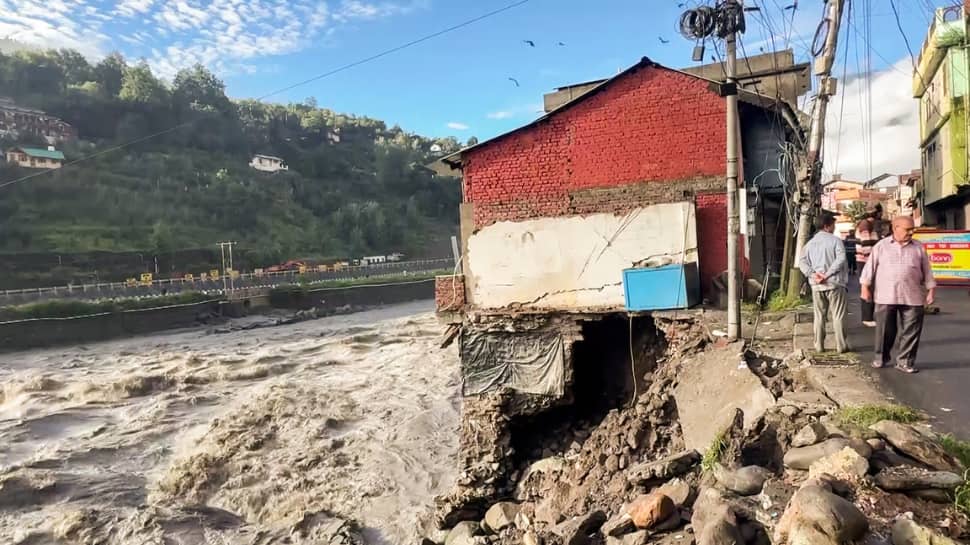
Himachal Pradesh Floods 2025: A State Grapples with Unprecedented Devastation
The 2025 monsoon season has unleashed catastrophic flooding and landslides across Himachal Pradesh, leaving a trail of immense loss and widespread destruction.As of recent reports from the State Disaster Management Authority (SDMA), the state is reeling from the impact of these extreme weather events. This article provides a comprehensive overview of the crisis,its impact,and what you need to know.
The Human Cost: Lives Lost and Injuries
The scale of the tragedy is heartbreaking. Currently, the official death toll stands at 320 individuals. These fatalities stem from a combination of rain-related incidents and subsequent accidents.
Here’s a breakdown of the causes:
Rain-Related Incidents (166 deaths): This includes landslides, flash floods, cloudbursts, drowning, electrocution, and lightning strikes.
Road accidents (154 deaths): The relentless rainfall has triggered numerous landslides,blocking roads and contributing to a surge in traffic accidents.
The hardest-hit districts include:
Mandi: 51 deaths
Kangra: 49 deaths
Shimla: 29 deaths
Widespread Damage to Property and Infrastructure
Beyond the tragic loss of life, the floods have inflicted devastating damage on property and infrastructure throughout Himachal Pradesh. The economic repercussions will be felt for years to come.
Residential Damage: 1,280 houses have been completely destroyed, and another 27,640 have sustained partial damage.
public Infrastructure: Significant damage has been reported to roads (PWD works), water supply schemes, power infrastructure, health facilities, and educational institutions.
Agricultural Losses: Crop losses are estimated at Rs. 1,70,757.50 lakh, while horticulture has suffered losses of Rs. 1,07,043.50 lakh.
Animal Husbandry: 1,885 animals and over 25,755 poultry birds have perished. Power Infrastructure: Damage to power infrastructure alone is estimated at Rs. 14,39.30 lakh.
Rural & Urban Growth: Combined losses in these sectors exceed Rs. 2,456 crore.
Ongoing Risks and Relief Efforts
The situation remains precarious. Authorities are warning of continued rainfall, which could trigger further landslides and road blockages.
Here’s what you should do:
Avoid Unnecessary Travel: Roads are unstable and prone to landslides.
Stay Informed: Monitor weather advisories from local authorities.
Be Vigilant: Be aware of your surroundings and potential hazards.
Restoration and relief operations are underway, but many areas remain inaccessible due to damaged bridges and persistent landslides. Teams are working tirelessly to clear roads, restore essential services, and provide aid to affected communities.
Understanding the Monsoon and Himachal Pradesh’s Vulnerability
Himachal Pradesh is particularly vulnerable to monsoon-related disasters due to its mountainous terrain and fragile ecosystems. Increased rainfall intensity, attributed to climate change, is exacerbating these risks. Deforestation and unplanned construction further contribute to the state’s susceptibility to landslides and floods.
Evergreen Insights: Building Resilience in the Himalayas
The 2025 Himachal Pradesh floods serve as a stark reminder of the increasing frequency and intensity of extreme weather events. Building long-term resilience requires a multi-faceted approach.
sustainable Land Use Planning: Implementing strict regulations to prevent construction in vulnerable areas.
Reforestation and Watershed Management: Protecting and restoring forests to stabilize slopes and reduce runoff.
Early Warning Systems: investing in advanced weather forecasting and early warning systems to provide timely alerts to communities.
Infrastructure development: Building resilient infrastructure that can withstand extreme weather events.
Community Preparedness: Educating communities about disaster preparedness and response.
Frequently Asked Questions (FAQ)
Q: What is the current death toll from the Himachal Pradesh floods in 2025?
A: As of the latest reports, the death toll stands at 320 individuals.
*Q: What are the primary causes of fatalities during the