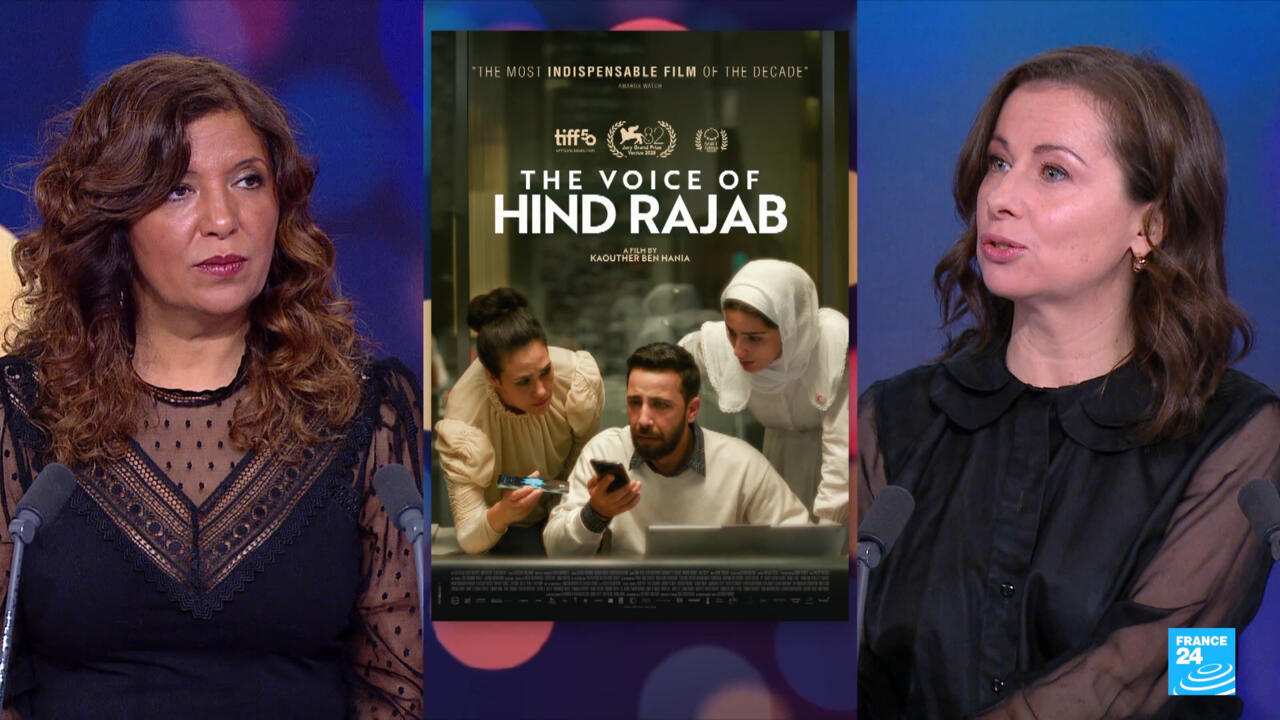
The Voice of Hind Rajab: A Deep Dive into Documentary Filmmaking, Trauma, and the Gaza Conflict
The story of Hind Rajab, a five-year-old Palestinian girl tragically killed during the January 2024 Israeli attacks on the Gaza Strip, resonated globally. For Franco-Tunisian filmmaker Kaouther Ben hania, Hind’s desperate phone call to the Palestinian Red Crescent became the catalyst for her latest film, “The Voice of Hind Rajab.” This isn’t simply a retelling of a news story; it’s a powerful exploration of documentary filmmaking ethics, the psychological impact of conflict, and the urgent need to humanize narratives often reduced to statistics. This article delves into the complexities of Ben Hania’s approach, the technical challenges faced, and the broader implications of using cinema to bear witness to tragedy.
The Genesis of a Hybrid Documentary
Ben Hania’s decision to create “The Voice of Hind Rajab” wasn’t immediate. She initially resisted, feeling the story was too raw, too sensitive.However, the authenticity of Hind’s original audio recording – a harrowing account of being trapped with her mother and aunt in a car under fire - proved pivotal.
Did You Know? The use of actual audio recordings from conflict zones is a growing trend in documentary filmmaking, offering unparalleled immediacy and emotional impact. However,it also raises significant ethical considerations regarding consent and potential re-traumatization.
The film uniquely blends documentary and fiction. It doesn’t attempt a straightforward reconstruction of events. instead,Ben Hania utilizes actors to portray the Red Crescent dispatchers,recreating their frantic efforts to coordinate a rescue. This approach allows the audience to experience the unfolding tragedy from multiple perspectives, amplifying the emotional weight of Hind’s story. This innovative technique falls under the umbrella of creative documentary, a genre gaining prominence for its willingness to experiment with form and narrative.
Technical and Ethical Considerations in Filmmaking
Recreating a traumatic event like Hind Rajab’s death presented immense technical and ethical hurdles. Ben Hania prioritized authenticity, but also the well-being of her cast and crew.
* Audio Integration: The original audio recording is the film’s backbone. Ben Hania meticulously integrated it,allowing Hind’s voice to guide the narrative. This required refined sound design and editing to create a seamless and emotionally resonant experience.
* Actor Safety: The actors portraying the Red Crescent dispatchers were subjected to emotionally demanding scenes. Ben Hania employed a dedicated psychologist on set to provide support and ensure their mental health.
* Representational Responsibility: The film avoids sensationalism, focusing instead on the human cost of conflict. Ben Hania consulted with Palestinian experts and community members to ensure respectful and accurate representation. This demonstrates a commitment to responsible storytelling in a sensitive context.
* Documentary Ethics: The decision to use fictionalized elements alongside real audio raised questions about the boundaries of documentary filmmaking. Ben Hania addresses this by clearly framing the film as a hybrid work, acknowledging the creative choices made.
Pro Tip: When working with sensitive subject matter, prioritize ethical considerations above all else.Clarity about yoru filmmaking process and a commitment to representing diverse perspectives are crucial.
The Power of Cinema to Humanize Conflict
News reports often present conflict as abstract statistics.Ben Hania argues that cinema has the power to transcend these limitations, revealing the individual stories behind the headlines. ”The Voice of Hind Rajab” doesn’t offer political commentary; it offers empathy.
The film’s impact lies in its ability to force viewers to confront the reality of the Gaza conflict on a deeply personal level.By focusing on Hind’s experience, Ben Hania challenges us to move beyond political rhetoric and recognize the shared humanity of those affected by violence. This aligns with the growing movement towards trauma-informed filmmaking, which prioritizes the emotional well-being of both subjects and audiences.
Question for you: How do you think documentary filmmaking can best contribute to understanding complex geopolitical conflicts like the one in Gaza?
recent Developments & The Broader Context
Recent reports