
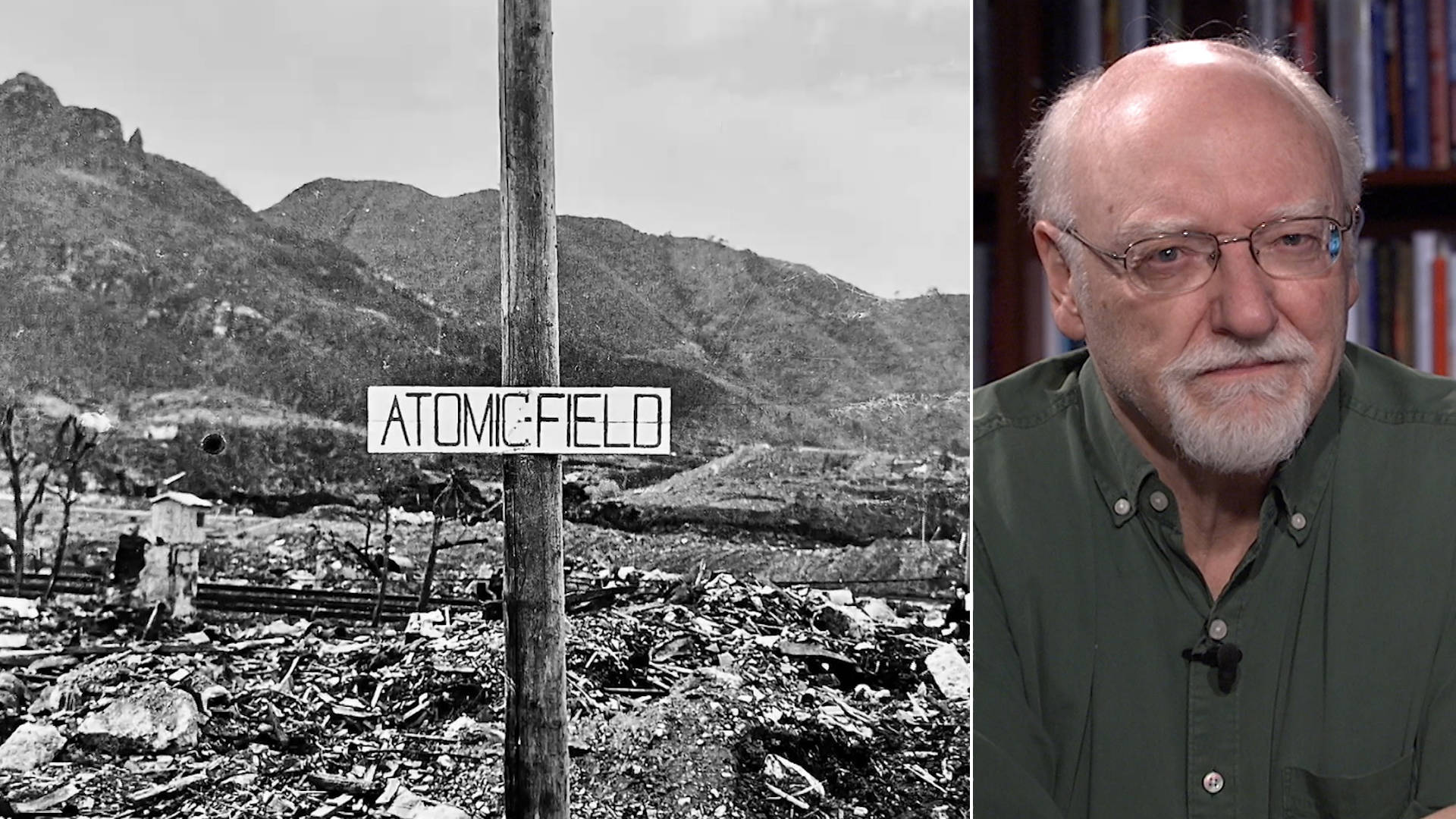
The Lingering Shadow of Hiroshima and nagasaki: Why Remembering Matters Today
The recent release of Christopher Nolan’s Oppenheimer has reignited crucial conversations about the atomic bombings of Hiroshima and Nagasaki. But beyond the cinematic portrayal, a disturbing ancient pattern emerges: a purposeful suppression of firsthand accounts detailing the horrific human cost of these events. As explored in the new documentary, The Atomic Bowl: Football at ground Zero – And Nuclear Peril Today, this suppression continues to have profound implications for our understanding of nuclear weapons and the very real threat of their use in the modern era.
For decades,the U.S. government actively downplayed the suffering caused by the bombs. This wasn’t accidental. Journalists who dared to report the truth faced censorship and their work was actively buried.
Silencing the Witnesses
Consider these unsettling facts:
Embedded Propaganda: Some journalists writing for prominent publications like the New York Times were secretly working with the Pentagon, contributing to a narrative that minimized the devastation.
Dismissing ”Bomb Sickness”: The U.S. government initially dismissed the agonizing effects of radiation exposure – what became known as “bomb sickness” – as mere Japanese propaganda.
Groves’ Cold Calculation: Leslie Groves, the military head of the Manhattan Project (portrayed by Matt Damon in Oppenheimer), reportedly suggested the bomb’s effects were a “pleasant way to die.”
Suppressed dispatches from Nagasaki: George Weller, the first U.S. reporter to reach Nagasaki, filed harrowing reports for the chicago newspapers. These were intercepted by MacArthur’s office and remained unpublished for a full decade.
A Parallel in Hiroshima: Similar censorship occurred in Hiroshima, with reporter Wilfred Burchett facing similar obstruction for his unflinching reporting.
These weren’t isolated incidents. They represent a systematic effort to control the narrative and shield the public from the full horror of nuclear warfare. You might wonder why this happened.The answer lies in a desire to justify the bombings and pave the way for a nuclear arms race.
Why This History Matters Now
Director Greg Mitchell, creator of The Atomic Bowl, emphasizes that this isn’t simply a historical exercise. It’s a critical warning for today. he argues that a risky complacency has taken root, fueled by historians and media figures who continue to rationalize the use of atomic weapons.
This lack of genuine reckoning is especially alarming given the current geopolitical landscape. We face a confluence of escalating threats:
Renewed Nuclear Tensions: The possibility of nuclear weapon use is, regrettably, rising again.
The Rise of Artificial Intelligence: The integration of AI into nuclear command and control systems introduces a terrifying new layer of risk. The Absence of a True Taboo: Mitchell believes there isn’t a strong enough societal taboo against using nuclear weapons, evidenced by continued support for their past use and even proposals for future deployment.
The recent proposal to build a nuclear reactor on the moon, as highlighted by Amy goodman, further underscores this point. It demonstrates a disturbing lack of caution and a willingness to normalize nuclear technology in increasingly provocative ways.
What You Can Do
Understanding this history is the first step toward preventing a future catastrophe.Here’s how you can engage:
Watch The Atomic Bowl: The documentary is currently streaming on PBS.org. Seek Out Diverse Perspectives: don’t rely on a single source of facts. Explore accounts from survivors, journalists, and historians who challenge the dominant narrative.
Demand Accountability: Hold your elected officials accountable for their stances on nuclear weapons and arms control.
Support peace Initiatives: contribute to organizations working to reduce nuclear threats and promote peaceful conflict resolution.
The stories of Hiroshima and Nagasaki aren’t just about the past.They are a stark reminder of the devastating consequences of unchecked power and the urgent need for global cooperation.By confronting this history honestly, you can definitely help ensure a more secure future for all.




![T-Mobile vs AT&T vs Verizon: Best Unlimited Plans [2024]](https://i0.wp.com/media.wired.com/photos/694af41b580097bbe4e87205/191%3A100/w_1280%2Cc_limit/Best%20Unlimited%20Plans%20top%20art%20122025%20SOURCE%20Getty%20Images.jpg?resize=330%2C220&ssl=1 "T-Mobile vs AT&T vs Verizon: Best Unlimited Plans [2024]")


