
europe’s Unprecedented Blackout & the Escalating Heat Crisis: A Deep Dive
Recent events in Europe – a widespread blackout impacting Spain, Portugal, and France, coupled with a record-breaking heatwave and tragically, a significant rise in heat-related deaths – demand a serious examination. As energy grid specialists and climate analysts, we’re breaking down what happened, why it matters, and what you need to know. This isn’t just about temporary inconvenience; it’s a signal of increasing vulnerability in the face of evolving challenges.
The April Blackout: A “First of its Kind” Event
On April 28th, a massive power outage plunged parts of Spain, Portugal, and southwestern France into darkness. The disruption extended beyond just lights going out,impacting internet,telephone services,train operations,and businesses.
Damian Cortinas, president of ENTSO-E (the association of electricity grid operators), described the incident as “the most severe blackout incident in Europe in the last 20 years.” Preliminary reports point to “cascading overvoltages” as the root cause.
Here’s what we understand so far:
* Overvoltage Explained: Too much electrical voltage overwhelms the system, perhaps damaging equipment. This can stem from power surges (like those from lightning) or insufficient protective measures.
* Uncharted Territory: Experts emphasize this event is unique. Cortinas stated it’s a “first of its kind,” highlighting the need for thorough analysis to prevent recurrence.
* Global Implications: While the immediate impact was localized, the potential for similar events globally is a concern. Further investigation is needed to understand the full scope.
This blackout underscores the increasing complexity and fragility of modern power grids. It’s a wake-up call for investment in grid resilience and advanced monitoring technologies.
spain’s Deadly Summer: A heatwave Crisis Unfolds
The blackout wasn’t the only crisis gripping Spain this year. The country experienced its hottest summer on record,with an average temperature of 24.2°C (75.6°F) since records began in 1961. The consequences were devastating.
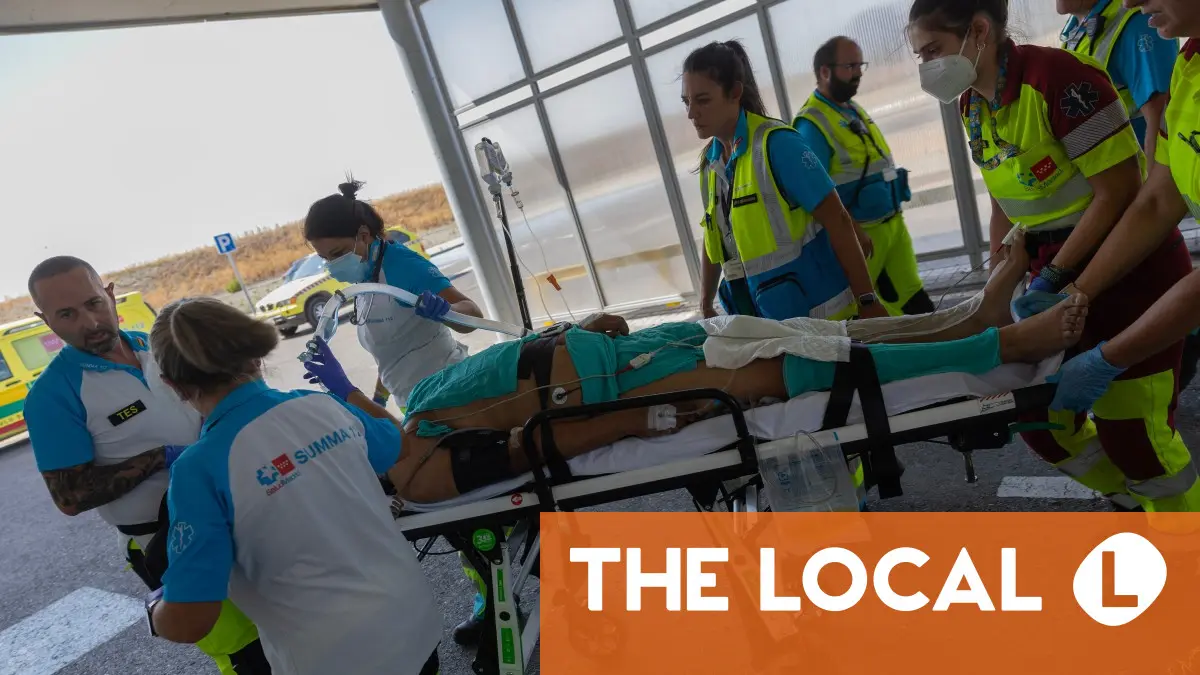
Between May 16th and September 30th,Spain recorded 3,832 heat-related deaths – an alarming 87.6% increase compared to the same period in 2023. This isn’t just a statistic; it represents a profound human tragedy.
Key takeaways from the health ministry’s report:
* Vulnerable Populations: Nearly two-thirds of the deaths were individuals over 85, and almost 96% were over 65. This highlights the heightened risk faced by the elderly.
* Statistical Modeling: The figures are estimates based on robust statistical models, acknowledging potential for revision as more data becomes available.
* Underlying Causes: While direct causation is difficult to prove, the data strongly suggests heat was a decisive factor in these fatalities. Heart attacks and strokes, exacerbated by the strain on the body from extreme heat, were primary causes.
* Risk Factors: Individuals with chronic illnesses, those working or recreating outdoors, and those living alone or without air conditioning were particularly vulnerable.
The Climate Connection: A clear and Present Danger
These events aren’t isolated incidents. Scientists have consistently warned that human-driven climate change is fueling more frequent and intense weather events worldwide. Spain’s experience is a stark illustration of this reality.
Consider these facts:
* Record-Breaking Heat: Spain endured 33 days of heatwaves during the summer, including a 16-day heatwave in August that fueled devastating wildfires.
* Intensifying Trends: Nine of the ten hottest summers in Spain since 1961 have occurred in the 21st century.
* Global Pattern: spain isn’t alone. Britain, Japan, and South Korea also experienced their hottest summers on record this year.
* August Heatwave Intensity: The August heatwave was “the most intense on record”, exceeding previous highs by a significant 4.6°C.
What Does This Meen for You?
These events have serious implications for your safety, your community, and the future. Here’s what you can do:
* Prepare for Power Outages: Have a backup power source (if feasible), emergency lighting, and a


