
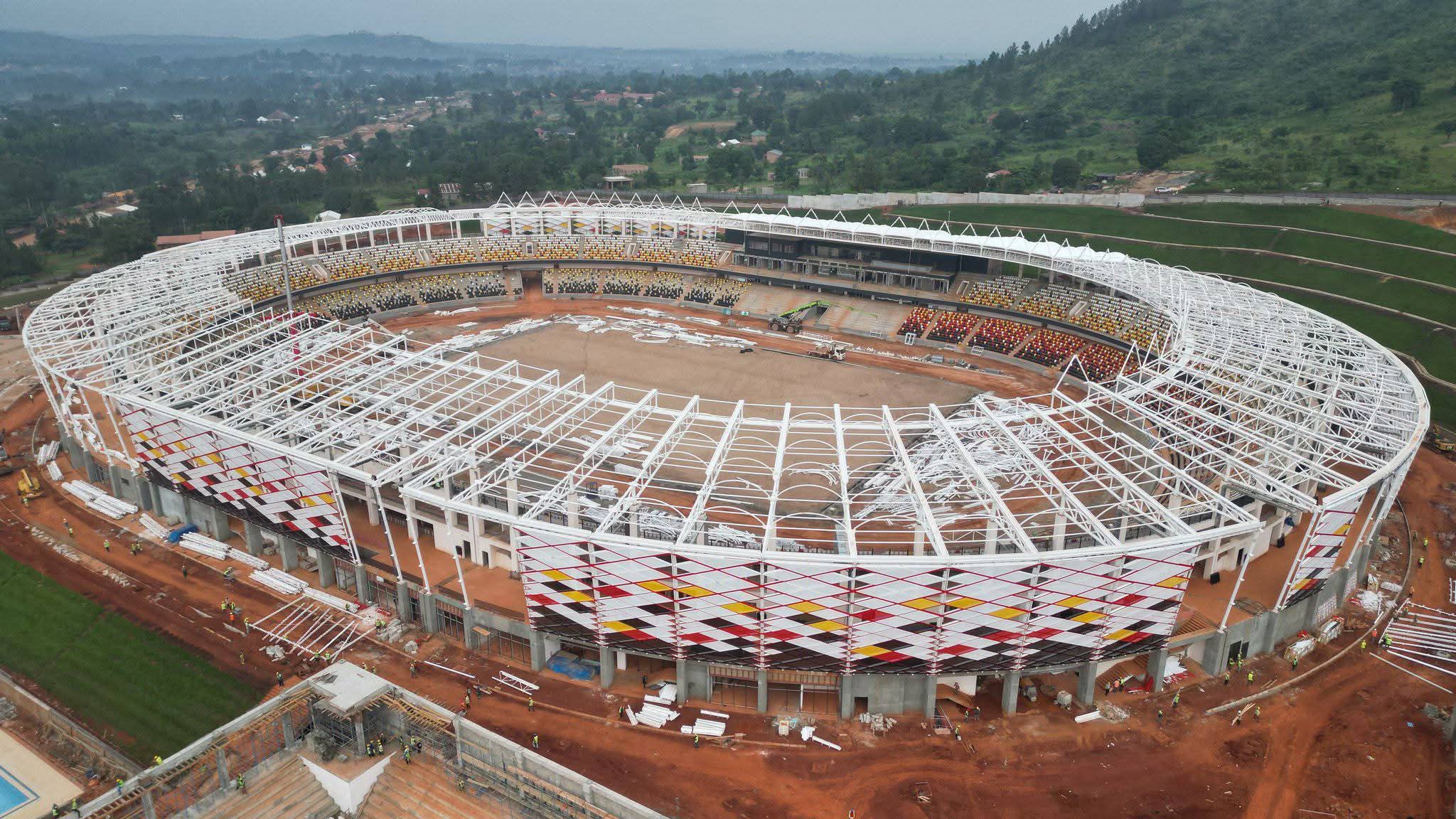
uganda’s Infrastructure Paradox: Can Hoima Stadium Be a Turning Point?
For decades, infrastructure growth in Uganda has been met wiht a healthy dose of skepticism. New project announcements are often greeted with laughter, quickly followed by a flurry of cynical memes online. This isn’t a sign of unpatriotism, but a deeply ingrained frustration born from repeatedly witnessing projects stall, delayed indefinitely, or simply fail to materialize.
The list of cautionary tales is long. The Northern Bypass, initially a 21km project, became a running joke as construction dragged on for years, earning it the nickname “Bypath.” Similarly, the Jinja-Kampala and Mpigi-Kampala Expressways, along with seemingly simpler projects like the Kyaliwajjala-Matugga road, have become synonymous with protracted timelines. Even the Lubowa Specialized Hospital remains unfinished after years of promises, barely rising beyond the foundation.This history of delays has fostered a pervasive lack of trust. Ugandans have become accustomed to excuses – the rains, global conflicts, currency fluctuations, even accusations of sabotage or witchcraft. Contractors routinely cite bureaucratic hurdles, funding delays, or the alleged shortcomings of the local workforce.
however, the construction of the Hoima City Stadium, a 20,000-seat venue for the Africa Cup of Nations (Afcon), is presenting a strikingly different narrative.Awarded to SUMMA, a Turkish construction firm with a proven track record of delivering stadiums across Africa on schedule, the project, begun in September 2024, is progressing at an unprecedented pace by Ugandan standards.
With a US$129 million budget, SUMMA is demonstrating that timely project completion is achievable. While the work isn’t finished, the current progress strongly suggests it will be delivered ahead of schedule – a remarkable feat in the Ugandan context.What sets SUMMA apart? They haven’t offered a single excuse. No blaming the weather, geopolitical instability, or financial constraints. They haven’t sought intervention from parliamentary committees or presidential appeals. They’ve simply focused on executing the project efficiently and effectively.
This quiet competence is a powerful lesson. It highlights a fundamental truth: infrastructure projects don’t need to take decades. They require focused leadership, competent contractors, and a commitment to accountability.
The success of Hoima stadium offers a blueprint for future development.We need to reassess our project management practices. Avoid assigning officials overwhelmed with existing workloads to oversee complex infrastructure projects. Ensure adequate funding is secured before groundbreaking. And, crucially, prioritize the selection of capable and reliable contractors.
Perhaps, once completed, SUMMA’s project manager should lead workshops for Ugandan contractors, demonstrating that modern infrastructure can be built with speed and efficiency – far faster than historical landmarks like St. Peter’s Basilica or Notre Dame.
Hoima City Stadium isn’t just about a new sporting venue; it’s a potential turning point.It’s a demonstration that, with the right approach, uganda can overcome its infrastructure paradox and build a future defined by progress, not perpetual delays.
David Juuko
Dialog and Visibility Consultant
djjuuko@gmail.com
Have a story to share? Email us at editorial@watchdoguganda.com


