The Enduring Mystery of Hokusai’s “Great Wave”: Storm Surge or Rogue Wave?
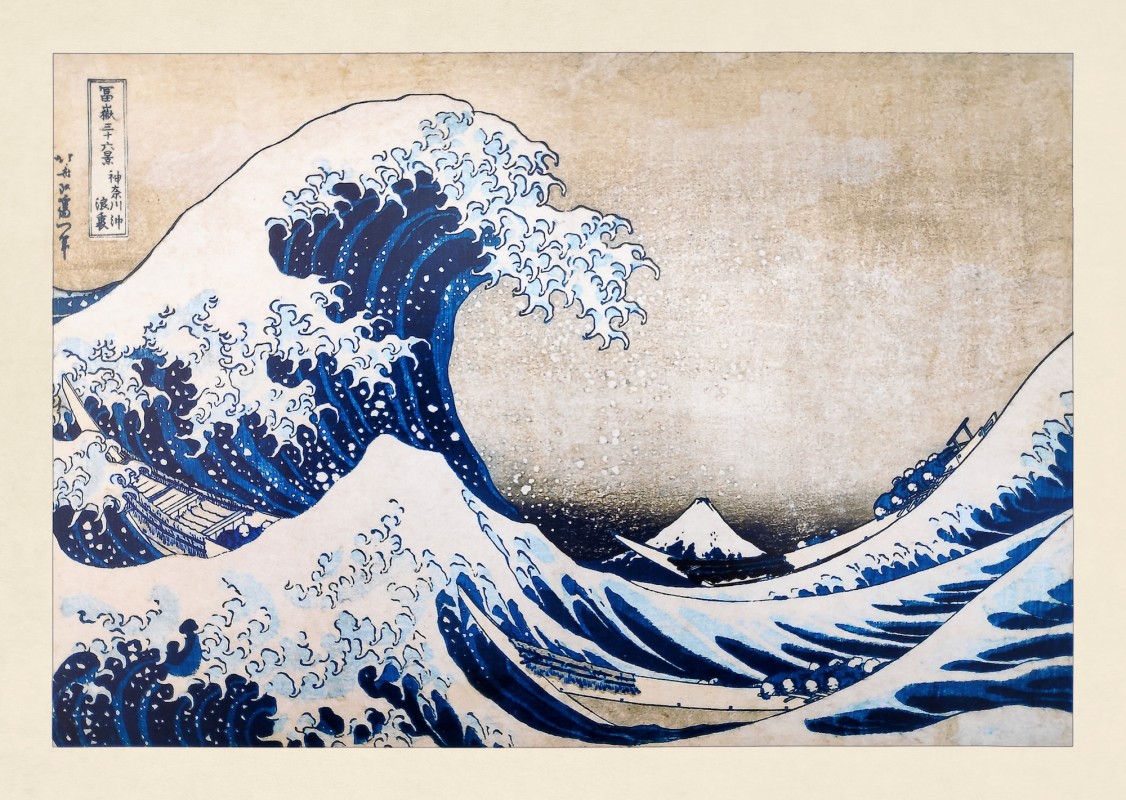
For nearly two centuries, Katsushika Hokusai’s “The Great Wave off Kanagawa” has captivated audiences worldwide. it’s arguably the most recognizable work of Japanese art, a powerful image of a towering wave threatening three small fishing boats. But beyond its aesthetic beauty, a captivating question persists: what exactly was Hokusai depicting?
Hokusai dedicated considerable time to perfecting this iconic woodblock print. He meticulously recreated the image over years, finally settling on the “final” version at the age of 72, demonstrating a commitment to capturing a specific, compelling scene. Understanding the context of this dedication unlocks a deeper appreciation for the artwork.
The Wave’s Identity: Tsunami, Storm Wave, or Rogue Wave?
Initially, many interpreted the print as a depiction of a tsunami. However, recent research suggests a more nuanced explanation. let’s explore the possibilities:
* Tsunami: While visually dramatic, evidence suggests a tsunami wasn’t Hokusai’s primary inspiration.
* Storm Wave: A large, exceptionally powerful storm wave appears to be the most probable subject.
* Rogue Wave: The possibility of a rogue wave – a surprisingly large and unpredictable wave – is gaining traction, especially considering modern scientific understanding.
A study published in the Royal Society Publishing supports the storm wave theory. Researchers examined the image and historical context, concluding that hokusai likely intended to portray an unusually large storm wave, a member of what’s known as “plunging breakers.”
Rogue Waves: A Modern Scientific Focus with Historical Roots
Interestingly,the scientific study of rogue waves is relatively recent. The first officially detected rogue wave, the Draupner Wave, was recorded in 1995 off the coast of Norway. However, Hokusai’s print suggests thes massive, anomalous waves were occurring – and being documented, at least artistically – long before their formal scientific recognition.
You might be wondering what makes a rogue wave so unique. These waves are defined by their disproportionate height compared to surrounding waves, appearing seemingly out of nowhere. They are a fascinating and often hazardous phenomenon that scientists are still working to fully understand.
Why Does This Matter?
the debate surrounding “The Great Wave” isn’t merely academic. It highlights the enduring power of art to spark scientific inquiry and the importance of re-evaluating historical works thru the lens of new knowledge.
Consider this: nearly 200 years after Hokusai created his masterpiece, researchers continue to analyze it, seeking insights into the dynamics of extreme ocean events. This demonstrates the lasting impact of art and its ability to transcend time and disciplines.
If you’re interested in learning more about extreme wave phenomena, explore these related articles:
* “once in 1,300 Years”: The World’s Most Extreme Rogue Wave
* 80-Foot Rogue Waves Are Predictable…But Are they Rideable?
Ultimately, Hokusai’s “The Great Wave” remains a powerful symbol of nature’s force and the enduring human fascination with the ocean’s mysteries. It’s a testament to the artist’s skill and a reminder that even the most iconic images can hold new layers of meaning waiting to be discovered.