
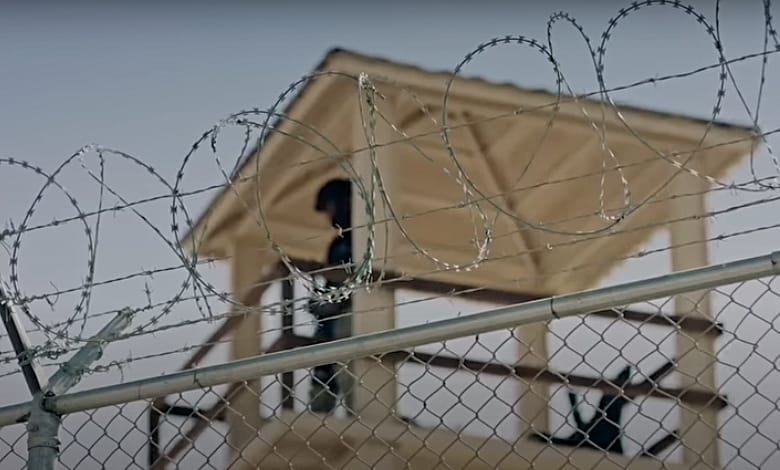
The UnRedacted: A Documentary’s Battle with Cancel Culture and the fight for Free Speech
Meg Smaker‘s documentary, originally titled “Jihad Rehab,” and now known as “The UnRedacted,” has become a lightning rod in the ongoing culture wars. The film, which follows former Guantanamo Bay detainees participating in a Saudi Arabian rehabilitation program, faced immediate and intense backlash, ultimately leading to its cancellation from Sundance Film Festival and a prolonged struggle for distribution. This isn’t just a story about a film; it’s a case study in the power of online activism, the complexities of ethical filmmaking, and the chilling effect of “cancel culture” on artistic expression.
The premise and Initial Controversy
Smaker’s project aimed to offer a nuanced look at the deradicalization process. She spent years gaining access and building trust with individuals who had been held at Guantanamo Bay. The film intended to explore their experiences, motivations, and the challenges of reintegrating into society.
However, the premise itself sparked outrage. Critics argued that providing a platform to former detainees, even for the purpose of understanding deradicalization, could be harmful and perhaps hazardous. Some claimed Smaker was inadvertently legitimizing extremism.Five detainees ultimately withdrew from the project mid-filming, citing concerns about the potential repercussions.
The Fallout: From Sundance to Cancellation
The controversy escalated quickly. Following the outcry, Smaker submitted an independant ethics review to Sundance. This wasn’t enough to quell the criticism. Even Abigail Disney, an initial supporter and executive producer, publicly disavowed the film.
Disney reportedly offered to cover Smaker’s travel expenses if she agreed to halt promotion of the documentary for a year. This move underscored the intense pressure being applied to those associated with the project. The film was ultimately pulled from the Sundance lineup.
Defenders Emerge: A Debate Over Censorship
Despite the widespread condemnation, “The UnRedacted” found some high-profile defenders. Journalist and filmmaker Sebastian Junger, liberal journalist Kara Swisher, and oscar-winning documentarian Alex Gibney all spoke out in support of Smaker’s work.
Gibney, in a especially pointed tweet, argued that the campaign against the film wasn’t about legitimate debate, but about censorship.He specifically criticized Disney’s role in the situation, stating Smaker was “terribly served” by her executive producer. He acknowledged problems with the film’s early sections but praised the latter half as “excellent.”
A Climate of Fear and Self-Censorship
The situation was further elaborate by threats directed at individuals involved in the film. Some crew members requested their names be removed from the credits, fearing professional repercussions. This created a climate of fear and self-censorship within the industry.
This occurred during what many consider the peak of “cancel culture” – a period where public shaming and online pressure could quickly derail careers and projects. While the intensity of that period has arguably subsided, the effects linger.
The Struggle for Distribution
Three years after the Sundance cancellation, “The UnRedacted” remains without a distributor. No streaming service or major film company has been willing to take the risk of releasing the documentary. This highlights the challenges faced by filmmakers tackling controversial subjects.
A small screening at USC in September 2023 also faced opposition, with a letter-writing campaign urging the university to cancel the event. Despite the pressure, the screening went ahead, followed by a lively Q&A session. However, other universities have refused to host the film.
A Potential Shift in the Cultural Landscape?
There are signs that the cultural climate may be shifting. Elon Musk has described the prevailing ideology as a “woke mind virus,” and there’s been a resurgence of free speech advocacy, particularly in the comedy world.
Hollywood, too, is seeing a growing number of voices speaking out against what they perceive as excessive political correctness. Could this create an opening for “The UnRedacted” to finally find an audience?
What This Means for You and the Future of Documentary Filmmaking
The story of “The UnRedacted” is a cautionary tale. It raises vital questions about:
* The ethics of filmmaking: How do you balance the pursuit of truth with the potential harm to subjects?
* The limits of free speech: Where do you draw the line between legitimate criticism


![Malaria Vaccine: Promising Results from First Human Trial | [Year] Update](https://i0.wp.com/cdn.sanity.io/images/0vv8moc6/pharmacytimes/56188e9796c8db0f135d7e1a929a333ddd800440-4663x3109.jpg?resize=150%2C100&ssl=1 "Malaria Vaccine: Promising Results from First Human Trial | [Year] Update")

