
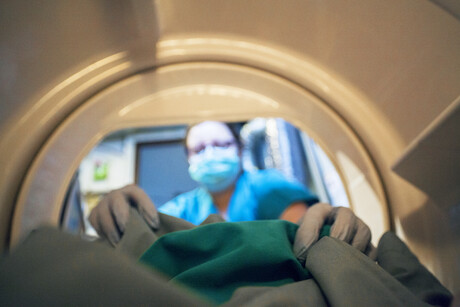
The Hidden Risk in Your Laundry: Are Home Washing Machines Spreading Hospital Infections?
Hospital-acquired infections (HAIs) represent a significant and ongoing threat to patient safety worldwide. A growing concern fueling this crisis is the rise of antibiotic-resistant bacteria, rendering common infections increasingly arduous – and sometimes unfeasible – to treat. While meticulous hygiene protocols within healthcare facilities are paramount, a surprising source may be undermining these efforts: the humble home washing machine.
Recent research suggests that laundering healthcare worker uniforms at home could inadvertently contribute to the spread of antibiotic resistance. This isn’t about a lack of cleanliness, but a complex interplay between washing machine biofilms, detergent resistance, and the survival of perilous pathogens.
The Problem with Home Washing: A New Study Reveals Troubling Findings
A groundbreaking 2025 study published in PLOS One, led by Dr. Katie Laird of De Montfort University in the UK, investigated the efficacy of common home washing machines in decontaminating healthcare worker uniforms. The research team evaluated six different models, subjecting contaminated fabric swatches to both rapid and standard wash cycles.
The results were alarming:
Insufficient Disinfection: Half of the washing machines tested failed to adequately disinfect clothing during a rapid cycle. even during standard cycles, one-third of the machines didn’t achieve sufficient cleaning.
biofilm Harbouring Pathogens: Samples taken from the biofilms inside 12 domestic washing machines revealed the presence of potentially pathogenic bacteria and, critically, antibiotic resistance genes. Biofilms are complex communities of microorganisms that adhere to surfaces, offering a protected surroundings for bacteria to thrive and exchange genetic material – including genes that confer antibiotic resistance.
Detergent resistance: The study also demonstrated that bacteria can develop resistance not only to antibiotics but also to the detergents used in home washing machines. This dual resistance significantly increases the risk of spreading resilient microbes.
(Image: Pre- and post-domestic laundering of bacteria contaminated textiles. Image credit: Dr Caroline Cayrou, CC-BY 4.0 [https://creativecommons.org/licenses/by/4.0/])
Why are Washing Machines a Risk? Understanding the Science
The issue isn’t simply that washing machines don’t always kill bacteria. It’s that they can create an environment where bacteria not only survive but evolve to become more dangerous. Here’s a breakdown of the key factors:
Biofilm Formation: Washing machines, particularly those used frequently at lower temperatures, are ideal breeding grounds for biofilms. These biofilms shield bacteria from detergents and disinfectants.
Horizontal Gene Transfer: Within biofilms, bacteria readily share genetic material.This allows for the rapid spread of antibiotic resistance genes, even between different species of bacteria.
Incomplete Disinfection: If a washing machine doesn’t reach a sufficiently high temperature or utilize an effective disinfectant,resistant bacteria can survive the wash cycle and be transferred to other items.
The Cycle of Contamination: Contaminated uniforms washed at home can then contaminate the washing machine itself, creating a reservoir for resistant bacteria that can be spread to subsequent loads of laundry – potentially impacting the healthcare worker’s family and community.
The Implications for Patient Safety and Infection Control
These findings have significant implications for infection control practices. The study strongly suggests that relying on home washing for healthcare worker uniforms may be insufficient to prevent the spread of HAIs and the proliferation of antibiotic-resistant organisms.
The researchers argue for a critical re-evaluation of current laundering guidelines. Two primary solutions are proposed:
- Enhanced Home Washing Protocols: If home washing remains the standard, guidelines must be revised to ensure washing machines are regularly and effectively cleaned and disinfected. This includes utilizing high temperatures (where fabric allows) and appropriate disinfectants. However, the study’s findings cast doubt on the reliability of this approach.
- On-Site Industrial Laundering: The preferred solution,according to the research team,is for healthcare facilities to utilize on-site industrial laundry services. Industrial machines offer several advantages:
Higher Wash Temperatures: industrial washers can reach temperatures that effectively kill a wider range of pathogens.
Specialized Disinfectants: Industrial facilities can employ more potent disinfectants than are typically available for home use.
Controlled Environment: On-site laundering provides a controlled environment, minimizing the risk of cross-contamination.
* regular Maintenance & Disinfection: Industrial machines undergo regular maintenance and disinfection protocols to prevent biofilm buildup.
A Call to Action: Rethinking Laundry Practices in Healthcare
“Our research shows that domestic washing machines frequently enough fail to disinfect textiles,allowing antibiotic-resistant bacteria to survive,” Dr.




