
Kayak Safety in Hong Kong: A Deep Dive Following Recent Search & Rescue Operation
Last Updated: july 29, 2025 13:47:36 HKT
The recent search and rescue operation in Sai Kung, Hong Kong, following a missing kayaker, underscores a critical need for heightened awareness regarding kayak safety. This incident, reported by the South China Morning Post on July 28th, 2025, serves as a stark reminder of the potential risks involved in water sports, even in seemingly calm conditions. this article provides a extensive guide to safe kayaking practices in Hong Kong, blending current event context with evergreen safety principles. We’ll explore essential precautions, equipment requirements, and emergency procedures, aiming to equip both novice and experienced paddlers with the knowledge to enjoy Hong Kong’s stunning coastline responsibly.
Understanding the Risks: Hong Kong’s Unique Kayaking Environment
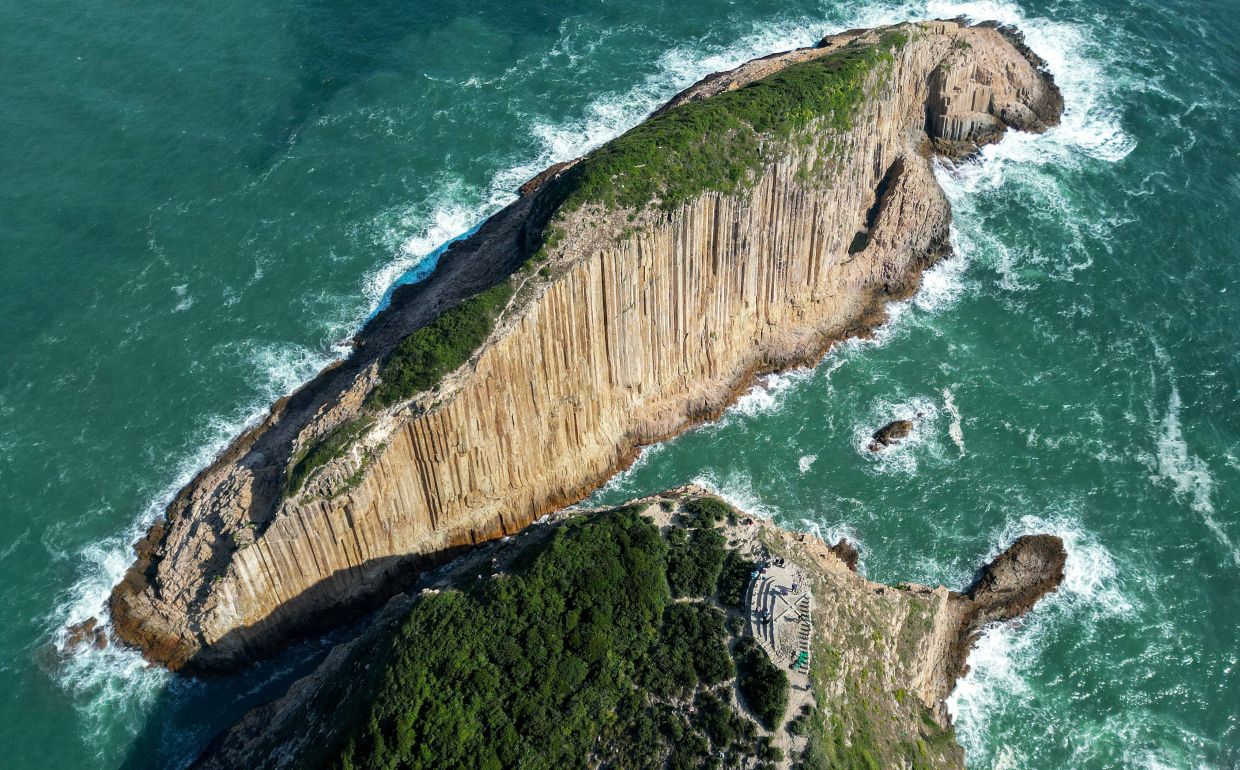
hong Kong’s waters offer breathtaking scenery, but also present unique challenges.the region is prone to sudden changes in weather,strong currents – notably around islands – and unpredictable swells. The popularity of kayaking, especially around destinations like Po Pin Chau (the intended destination of the missing kayaker), Jin island, and Tai Long Wan, means increased traffic and potential for collisions.
Did You Know? Hong Kong experiences a typhoon season typically from May to November. checking weather forecasts before and during yoru kayaking trip is paramount.
The incident in Sai kung highlights the importance of adhering to rental company guidelines and informing someone of your planned route and estimated return time. A failure to return a rented kayak by the agreed-upon time, as occurred in this case, immediately raises red flags and triggers search and rescue efforts.These operations, involving the Police and Fire Services Department, are resource-intensive and emphasize the gravity of responsible paddling.
Essential Kayak Safety Equipment & Planning
Proper preparation is the cornerstone of kayak safety. Beyond the kayak itself, several key pieces of equipment are non-negotiable:
Personal Flotation Device (PFD): A correctly fitted PFD is the moast critically important safety item. It should be worn at all times, regardless of swimming ability.
Leash: Connecting your paddle to the kayak prevents loss in case of a capsize.
Whistle: For signaling for help. A loud, clear whistle carries further than a shout.
Waterproof Bag: to protect essential items like a mobile phone (in a waterproof case), first-aid kit, and identification.
Navigation Tools: A waterproof map and compass (or a GPS device) are crucial, especially when venturing beyond familiar waters.
Appropriate Clothing: Dress in layers,considering the potential for changing weather conditions.Avoid cotton, which loses its insulating properties when wet. Consider a wetsuit or drysuit for cooler temperatures.
Sun Protection: Hat, sunglasses, and sunscreen are essential, even on cloudy days.
Bilge Pump or sponge: To remove water that accumulates in the kayak.
Pro Tip: Practice self-rescue techniques (re-entry and roll) in a controlled environment before venturing out on open water. Consider taking a kayaking course from a certified instructor.
Navigating Hong kong Waters: Route Planning & Awareness
Careful route planning is vital. Consider these factors:
Weather Forecast: Check the Hong Kong Observatory website (https://www.hko.gov.hk/en/index.html) for up-to-date weather details, including wind speed, wave height, and visibility. Tidal Information: Understand the tidal range and currents in the area.Strong currents can significantly impact your paddling speed and direction.
Marine Traffic: Be aware of other vessels, including ferries, speedboats, and fishing boats. Maintain a safe distance.
Emergency Landing Spots: Identify potential landing spots along your route in case of an emergency.
* Inform Someone: Always tell someone your planned route, estimated return time, and who to contact if you don’t return.
Case Study: In 2024, a

![Dengue & [Related Factor]: Exploring the Connection | Break Dengue](https://i0.wp.com/www.breakdengue.org/wp-content/uploads/2020/10/Dengue-covid19.jpg?resize=150%2C150&ssl=1 "Dengue & [Related Factor]: Exploring the Connection | Break Dengue")


