
Super Typhoon ragasa: A Harrowing Rescue and Coastal Safety Lessons from Hong Kong
The aftermath of Super Typhoon Ragasa brought a terrifying incident to the shores of Hong Kong,highlighting the extreme dangers of coastal areas during severe weather events. On Tuesday, a family’s outing to witness the powerful waves turned into a life-threatening situation, resulting in a mother and young son requiring intensive care.This event serves as a critical reminder of the unpredictable nature of typhoons and the importance of heeding official warnings.
The Incident Unfolds: A Family Caught in the Storm
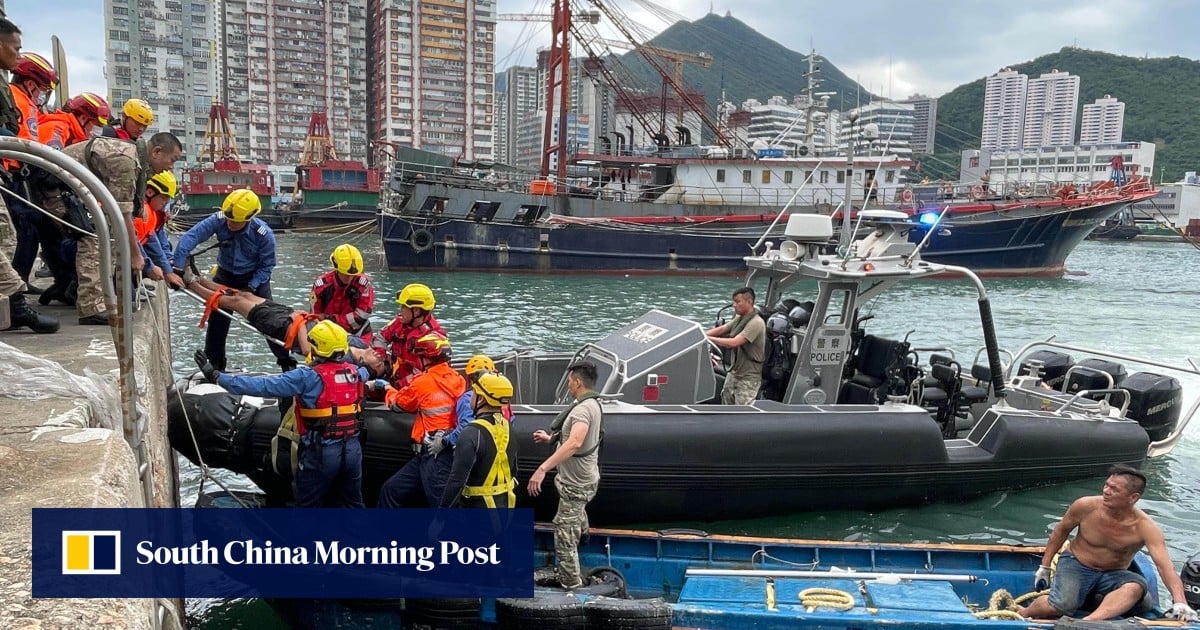
A family of four – a 40-year-old father, a mother, a nine-year-old daughter, and a five-year-old son – ventured to the breakwater at Ka Yip Street in Chai Wan after the Hong Kong Observatory issued the No. 8 warning signal at 2:20 PM. Driven by curiosity, they sought to observe the force of the approaching typhoon.Tragically, a large wave swept the mother and son into the sea. Without hesitation,the father entered the water in a desperate attempt to rescue them.
The hong Kong Fire Services Department (FSD) received the distress call at 3:24 PM. Upon arrival, first responders found a complex rescue scenario unfolding. A local boatman had already managed to pull the mother and child from the water, while the father remained in the sea awaiting assistance.
Challenges in Rescue and Immediate Medical Response
Deputy Chief Fire Officer Fok Chun-ming detailed the difficulties faced by rescue teams. Unstable sea conditions hampered the swift transfer of the mother to shore. Firefighters were forced to board the boat where she and her son were located to administer crucial cardiopulmonary resuscitation (CPR). This immediate intervention proved vital in stabilizing the mother’s condition.
The incident underscores the risks associated with attempting rescues in turbulent waters. It also highlights the dedication and skill of the FSD and the quick thinking of the civilian boatman. The entire family was subsequently transported to the hospital for further treatment.
Understanding Typhoon Signals and coastal Hazards
Hong Kong utilizes a typhoon signal system to alert the public to the severity of approaching storms. The No.8 signal, a “gale or storm signal,” indicates that winds with sustained speeds of 63-117 km/h (39-73 mph) are expected or occurring. This signal necessitates extreme caution and adherence to safety guidelines.
Here’s a breakdown of key typhoon signals in Hong Kong:
* No. 1: Stand by signal – indicates a tropical cyclone is approaching.
* No. 3: Strong wind signal – gale or storm is expected.
* No.8: Gale or storm signal – winds with sustained speeds of 63-117 km/h.
* No. 10: Hurricane signal – winds with sustained speeds exceeding 118 km/h.
Beyond wind speed, storm surges and waves pose significant threats during typhoons. These can cause coastal flooding, erosion, and, as tragically demonstrated, sweep individuals into the sea.According to a recent report by the Intergovernmental Panel on Climate Change (IPCC, 2023), rising sea levels are exacerbating the impact of storm surges, increasing the risk to coastal communities globally. https://www.ipcc.ch/sr15/
Practical Safety Tips During Typhoons
Protecting yourself and your family during a typhoon requires proactive planning and responsible behavior. Consider these actionable steps:
* stay Informed: Monitor updates from the Hong Kong Observatory (https://www.hko.gov.hk/en/index.html) and local news sources.
* Secure Your Home: Reinforce windows, doors, and balconies. Remove loose objects from your property.
* Avoid Coastal Areas: Never visit breakwaters, beaches, or other exposed coastal locations during a typhoon signal.The waves are unpredictable and incredibly powerful.
* Stay Indoors: Remain inside a safe, sturdy building during the storm.
* Prepare an emergency Kit: include essential supplies like food,water,first-aid supplies,a flashlight,and a





