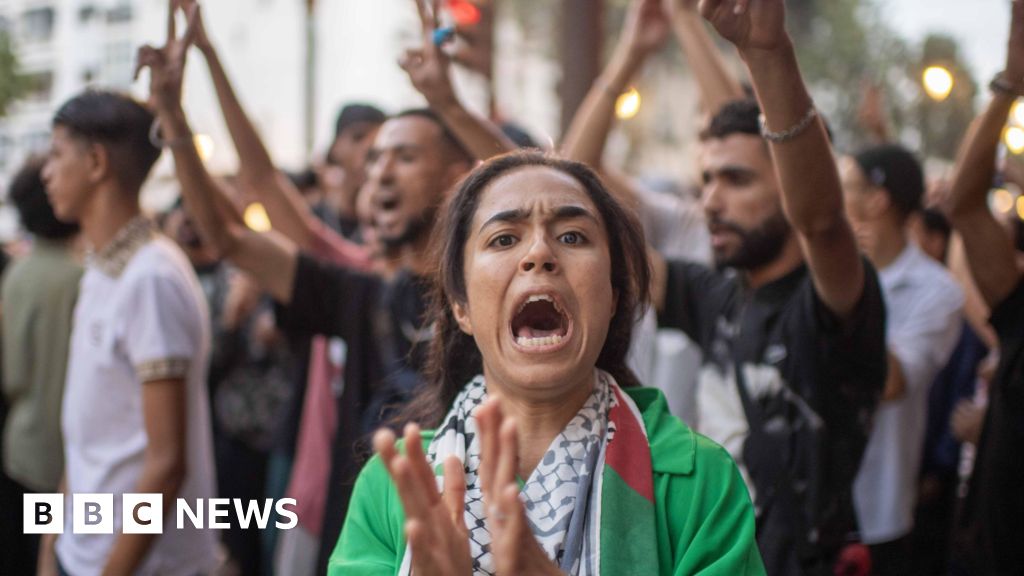
Morocco is currently experiencing a wave of protests, largely driven by a younger generation voicing concerns that extend beyond immediate political grievances. These demonstrations highlight a growing frustration with systemic issues impacting daily life, even as the nation looks ahead to hosting a major international event.
Currently, the protests center around rising living costs and demands for greater economic and social justice. Many feel the government isn’t adequately addressing issues like inflation, unemployment, and disparities in access to essential services.You’ll find that this discontent isn’t simply about finances; it’s about a perceived lack of opportunity and a feeling of being unheard.
The prime minister has expressed a willingness to engage in dialog, but protesters remain skeptical.They aren’t convinced these talks will translate into meaningful change. some are even calling for more drastic measures, such as the dissolution of the government by the king.
Here’s what’s particularly noteworthy: this movement isn’t easily placated. Protesters appear resolute in their demands and aren’t backing down despite the offer of negotiations. I’ve observed that this determination is a hallmark of Gen Z activism globally.
Looking towards the future, Morocco is preparing to host the 2030 World Cup. While many Moroccans are enthusiastic about this event – football is deeply ingrained in the national culture – there’s a strong sentiment that foundational issues need to be addressed first.
Ms. Belhassan, a protester, eloquently captures this feeling. She emphasizes the need to invest in essential services alongside infrastructure projects. It’s a call to prioritize education, healthcare, and the well-being of the Moroccan people.
Essentially, the message is clear: building stadiums is exciting, but building a better future requires a more holistic approach. It’s about ensuring that all Moroccans benefit from progress, not just those directly involved in the World Cup preparations.
This situation mirrors a broader trend of Gen Z-led protests around the world. these movements are characterized by:
* A focus on systemic change: They aren’t simply reacting to isolated incidents but challenging the underlying structures they believe are causing problems.
* A demand for accountability: They expect leaders to be responsive to their concerns and to take concrete action.
* A willingness to challenge the status quo: They aren’t afraid to question traditional power structures and to advocate for radical solutions.
* Leveraging social media: They effectively use online platforms to organize,mobilize,and amplify their voices.
these protests in Morocco, like others globally, demonstrate a generation determined to shape its own future. They’re not just asking for change; they’re demanding it.



![Wednesday News: Latest Updates & Headlines – [Date]](https://assets.thelocal.com/cdn-cgi/rs:fit:1200/quality:75/plain/https://apiwp.thelocal.com/wp-content/uploads/2025/12/watermarks-logo-Arisdorf_Baerenfels_Gold_1_1.jpg@webp "Wednesday News: Latest Updates & Headlines – [Date]")