
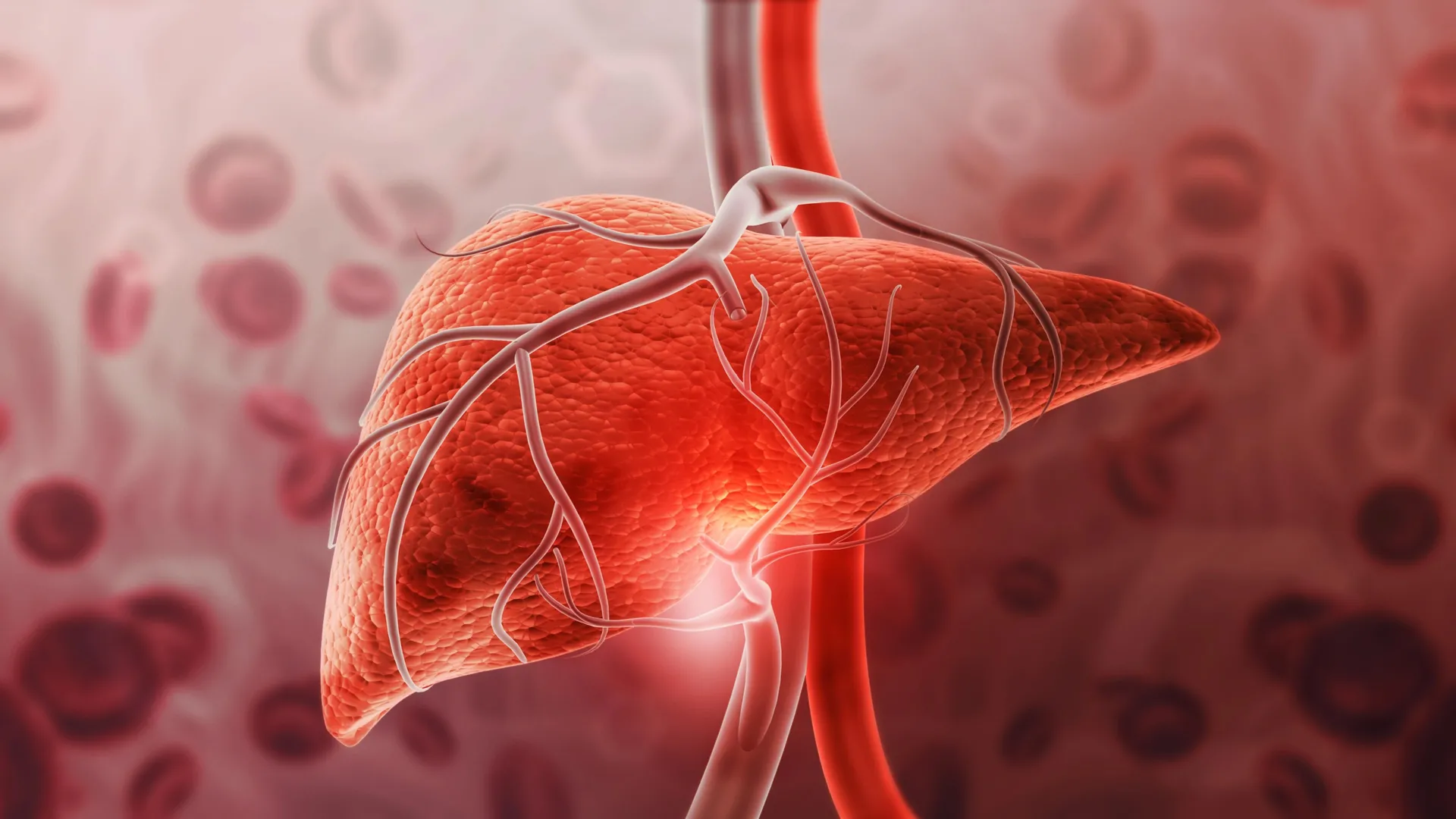
The Silent Threat to Your Liver: How Everyday Exposure to dry Cleaning Chemicals Could Be Causing Hidden Damage
For decades, we’ve understood the major culprits behind liver disease – excessive alcohol consumption, viral infections, and obesity. But what if a significant number of cases stemmed from a less obvious source: everyday environmental toxins? Groundbreaking research from Keck medicine of USC is shedding light on a concerning link between tetrachloroethylene (PCE), a common chemical found in dry cleaning and household products, and a dramatically increased risk of serious liver damage, including fibrosis and potentially, liver cancer.
This isn’t just a theoretical concern. Our team, comprised of leading hepatologists and liver transplant specialists, has uncovered compelling evidence suggesting PCE exposure could be the missing piece in understanding why some individuals develop liver disease despite leading seemingly healthy lifestyles.
What is PCE and Where Are You Exposed?
Tetrachloroethylene (PCE) is a man-made, colorless liquid historically prized for its powerful degreasing abilities. While its use is being phased out, it remains prevalent in several areas:
* Dry Cleaning: The primary source of PCE exposure. The chemical slowly evaporates from freshly dry-cleaned garments.
* Household Products: PCE is found in adhesive glues, spot removers, and stainless steel polish.
* Contaminated Water: Improper disposal and spills can lead to PCE leaching into soil and groundwater, contaminating drinking water supplies.
* Industrial Settings: Historically used in a wide range of industrial processes.
The Alarming Link to Liver Fibrosis: A New Study Reveals the Risk
Published in the prestigious journal Liver International, our recent study analyzed data from the National Health and Nutrition Examination Survey (NHANES), a nationally representative sample of U.S. adults. We examined blood samples collected between 2017 and 2020 and found that approximately 7% of participants had detectable levels of PCE in their bloodstream.
The results were stark: individuals with measurable PCE exposure were three times more likely to have significant liver fibrosis – the excessive accumulation of scar tissue in the liver – compared to those without exposure. This increased risk held true regardless of age, sex, race, or education level.
Furthermore, we observed a clear dose-response relationship: for every one nanogram per milliliter increase in PCE concentration in the blood, the likelihood of developing significant liver fibrosis increased fivefold. This demonstrates a direct correlation between exposure level and disease severity.
Why This Matters: Unexplained Liver Disease and the Role of Environmental Factors
For years, physicians have faced the challenge of diagnosing liver disease in patients without the typical risk factors – no history of heavy alcohol use, no obesity, no viral hepatitis. Our research suggests that PCE exposure could be a crucial, previously overlooked description.
“Patients frequently enough ask, ‘How can I have liver disease if I don’t drink and I don’t have any of the health conditions typically associated with it?’,” explains Dr. Brian P. Lee, lead author of the study and a hepatologist at Keck Medicine of USC. “The answer may be PCE exposure.”
This finding underscores the critical,and frequently enough underestimated,role environmental factors play in liver health. It’s a paradigm shift that demands a broader perspective on liver disease etiology.
PCE: A Known Carcinogen with Expanding Health Concerns
The International Agency for Research on Cancer (IARC) classifies PCE as a probable carcinogen. Previous research has already linked PCE exposure to:
* bladder Cancer
* multiple Myeloma
* Non-Hodgkin Lymphoma
* Liver Cancer (supported by emerging research)
The growing body of evidence highlights the serious health risks associated with this ubiquitous chemical.
What’s Being Done and What Can You Do?
Recognizing the dangers, the U.S. Environmental Protection Agency (EPA) has initiated a 10-year phaseout of PCE in dry cleaning and implemented restrictions on its use in other industries. However, the chemical persists in some products and remains unregulated in certain countries.
Here’s what you can do to minimize your exposure:
* Air Out dry-Cleaned Clothes: Allow dry-cleaned garments to air out thoroughly in a well-ventilated area before bringing them into your home. Consider alternatives to dry cleaning when possible.
* Choose Safer Household Products: Read labels carefully and opt for cleaning products that do not contain PCE.
* Water Filtration: If you are concerned about PCE contamination in your drinking water, consider using a water filter certified to remove PCE.
* Advocate for Regulation: Support policies that promote stricter regulation of PCE and encourage the development of safer alternatives.





![Watch [Show Name] Finale: Stream HBO Max – Date, Time & Options](https://i0.wp.com/media-cldnry.s-nbcnews.com/image/upload/t_social_share_1200x630_center%2Cf_auto%2Cq_auto%3Abest/rockcms/2025-12/hudson-williams-connor-storrie-heated-rivalry-en-122425-ec3773.jpg?resize=150%2C100&ssl=1 "Watch [Show Name] Finale: Stream HBO Max – Date, Time & Options")


