
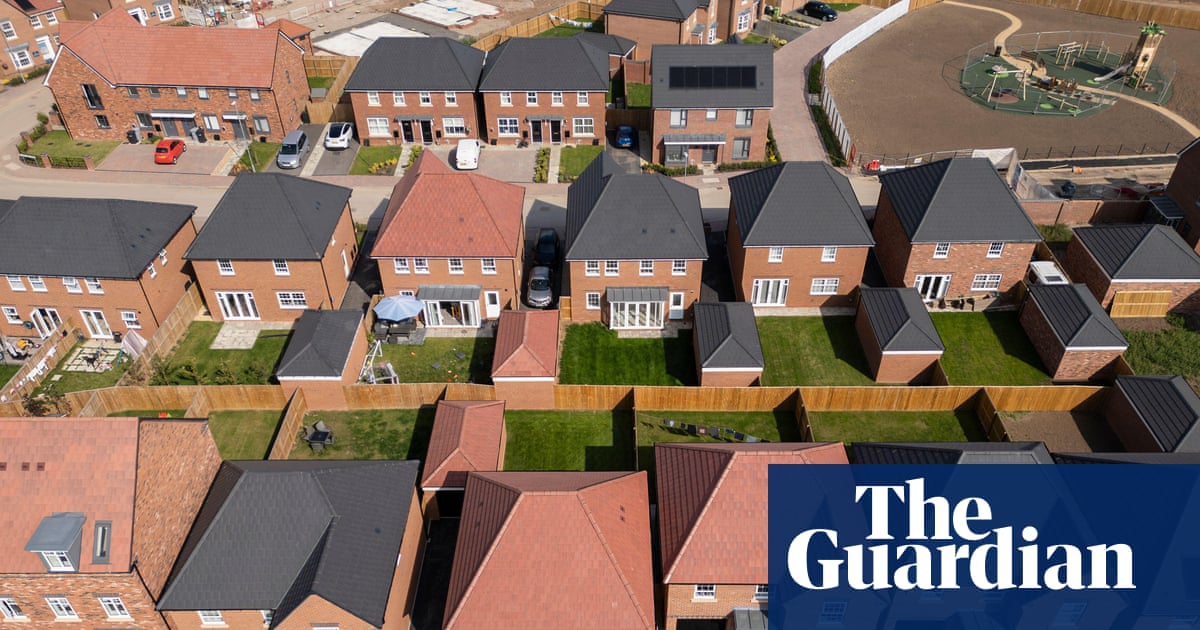
Beyond Bricks and Mortar: Building Livable Communities in England’s Housing Boom
The ambitious goal of delivering 1.5 million new homes across England is a critical step towards addressing the nation’s housing shortage. However, a relentless focus on quantity risks overshadowing the fundamental requirements of truly livable communities. Recent reports highlighting new developments lacking essential amenities – shops, schools, even playgrounds – underscore a dangerous trend: building houses without building homes.This isn’t simply an oversight; it’s a systemic flaw in how we approach planning and development, and one that demands immediate attention.For too long, the planning system has operated under a paradigm that treats community infrastructure as an afterthought. It’s a reactive approach, attempting to retrofit necessities into areas already defined by housing density. This inevitably leads to compromised quality,unsustainable placemaking,and ultimately,communities that fail to thrive. The solution isn’t more streamlined approvals or relaxed regulations; it’s a fundamental shift in perspective – a move towards landscape-led development.
The Power of Landscape-Led design
Landscape isn’t merely the green space surrounding buildings; it is the environment in which we live, work, and play. It encompasses everything from bustling high streets to quiet cul-de-sacs, shaping our daily experiences and influencing our well-being. By prioritizing landscape architecture from the very outset of a project, planners and developers can proactively integrate essential community infrastructure.
This means engaging landscape architects early in the design process - not as consultants brought in to ‘greenwash’ a finished plan, but as integral members of the team. A landscape-led approach facilitates the thoughtful placement of community centers, the creation of accessible green spaces, and the integration of pedestrian and cycle-friendly pathways. It fosters resilience by considering natural systems, promoting biodiversity, and mitigating the impacts of climate change. It’s about designing for people, not just for profit.
The Missing Piece: Community Agency and Ownership
Though, even the most thoughtfully designed landscape can fall short if it doesn’t reflect the needs and aspirations of the people who will inhabit the space. A significant problem with the current system is the limited role afforded to local communities beyond the often-futile act of objection.
Too often, developers operate in isolation, dictating the terms of development with little regard for local knowledge or input. We’ve seen instances where communities have proactively offered to manage and maintain vital facilities – like community centers – if developers simply provide the basic structure. These offers are routinely dismissed, highlighting a fundamental disconnect between the needs of residents and the priorities of developers.
Fortunately, a growing movement is demonstrating a different path. Community Land Trusts (CLTs) are empowering local people to take a seat at the table, actively participating in the design and build-out of new homes and community assets. Through CLTs, communities can negotiate with developers, ensuring that developments genuinely reflect their needs and priorities. This model fosters a sense of ownership and responsibility, leading to stronger, more cohesive communities.
A Call to Action for the Future of Housing
The current Labour goverment has repeatedly emphasized the importance of community empowerment.Prime Minister Starmer has acknowledged the frustration felt by those excluded from decisions impacting their lives. Now is the time to translate these words into concrete action.
Integrating community agency and ownership into the planning system isn’t simply a matter of good policy; it’s a matter of social justice. By wiring community land trusts and similar models into the fabric of the planning process, we can ensure that new developments are not just places to live, but places where people can truly thrive.
This requires a fundamental shift in mindset. We must move beyond a purely transactional approach to housing – one focused solely on delivering numbers – and embrace a holistic vision that prioritizes quality of life, community well-being, and sustainable placemaking. Let’s build not just houses, but vibrant, resilient communities that stand the test of time.


