
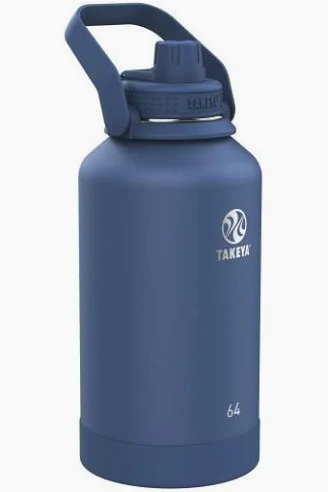
Maintaining optimal hydration is often viewed as a simple task, yet for many, the struggle lies in the consistency of execution. Whether you are navigating a demanding professional schedule or pushing through a high-intensity workout, the tools you use can either facilitate or hinder your progress. Finding the right balance often comes down to a strategic choice in equipment: choosing the right water bottle.
For many, the transition from single-use plastics to a dedicated reusable vessel is not just an environmental choice, but a behavioral one. A common hurdle in meeting daily hydration targets—such as the 64 oz benchmark—is the “refill fatigue” associated with smaller containers. By switching to a larger capacity bottle, the mental load of tracking multiple refills is replaced by a single, clear objective: finish one bottle by the end of the day.
As a physician and health journalist, I have seen how tiny environmental cues can lead to significant health outcomes. The presence of a large, accessible water source acts as a constant visual reminder to sip consistently, transforming hydration from a chore into a seamless habit. Although, not every bottle is suited for every environment, and the “best” choice depends heavily on your specific daily needs and physical activity levels.
Matching Bottle Materials to Your Lifestyle
Selecting a water bottle requires balancing durability, temperature control, and purity. Different materials offer distinct advantages depending on where you spend your time and what you prioritize in your hydration routine.
Stainless Steel and Insulation
For those who prefer ice-cold water throughout the day, double-wall vacuum insulation is the gold standard. Stainless steel insulated bottles are ideal for long durations away from a refrigerator, with some models capable of keeping liquids cold for up to 24 hours. These are particularly effective for “everyday go-to” use, especially for those who frequently drop their gear, as the material provides superior durability compared to glass or thin plastics.
Glass and Purity
In a controlled environment, such as a home office, glass bottles are often preferred. Glass is non-reactive, meaning it does not retain flavors from previous drinks, which provides a “cleaner” taste profile. Because glass is fragile, these bottles typically feature a silicone sleeve to provide a grip and a layer of protection against accidental impacts.
Specialized and Travel Options
For those who travel frequently or have limited bag space, collapsible travel bottles offer a practical solution. These vessels can be compressed when empty, significantly reducing the footprint in a carry-on or backpack. For athletes, handheld insulated bottles—such as the Nathan ExoDraw 2.0—allow for hydration during runs without the need to stop or break stride.
Hydration Strategies for Fitness and Performance
Hydration needs shift dramatically when moving from a sedentary state to physical exertion. According to exercise physiologist and registered dietitian Chris Mohr, PhD, staying hydrated during a workout is critical for performance, endurance, and recovery. The strategy should begin before the first drop of sweat is shed.

A general guideline suggests aiming for approximately 17 to 24 ounces (about 2-3 cups) of water before beginning exercise. Once the activity starts, the goal shifts to consistent intake, with a recommendation of 4 to 8 ounces—or several large gulps—every 15 to 20 minutes. These requirements vary based on individual factors including body weight, age, sweat rate, environment, and the intensity of the workout tested and approved by fitness experts.
In a gym setting, the design of the bottle becomes a functional component of the workout. The right bottle allows a user to sip quickly between sets and carry water easily from one station to another without slowing down the momentum of a cardio or lifting session.
Comparison of Top-Rated Bottle Categories
| Use Case | Recommended Type | Key Feature | Example/Brand Mention |
|---|---|---|---|
| Daily General Use | Insulated Stainless Steel | 24-hour cold retention | B.box Triple-Insulated |
| Home Office | Glass with Silicone Sleeve | No flavor retention | Glass Bottle |
| High-Intensity Gym | Large Capacity / Durable | High volume | Yeti Rambler |
| Running/Trail | Handheld or Budget-Friendly | Portability | HydraPak Polar/Tempo |
| Travel | Collapsible | Space-saving | Collapsible Travel Bottle |
Overcoming the 64 oz Hurdle
The goal of drinking 64 oz of water a day is a common benchmark for general health. However, the psychological barrier is often the “tracking” phase. When using a small 16 oz bottle, a person must successfully refill and finish the bottle four times. This creates four opportunities to forget or lose track.
By utilizing a 64 oz bottle, the goal is simplified into a single task. This shift in perspective makes the intake feel more manageable and less like a chore. Keeping the bottle within eyesight—whether at a desk, in a car, or during errands—serves as a behavioral trigger to prioritize health and build a sustainable daily habit.
To ensure this habit lasts, consider the “ease of cleaning” factor. A bottle that is difficult to sanitize will eventually be abandoned. Choosing a bottle with a wide mouth or compatible cleaning accessories ensures that the vessel remains hygienic and appealing to use daily.
Whether you are opting for the budget-friendly HydraPak Tempo or the high-capacity Yeti Rambler, the objective remains the same: removing the friction between you and your hydration goals. By matching the bottle’s material and size to your specific environment, you create a system that supports your health automatically.
As we continue to evaluate the intersection of wellness and daily habits, the focus remains on sustainable, accessible health improvements. Stay tuned for further updates on public health guidelines and medical innovations.
Do you have a specific hydration strategy that works for you? Share your thoughts and experiences in the comments below.