
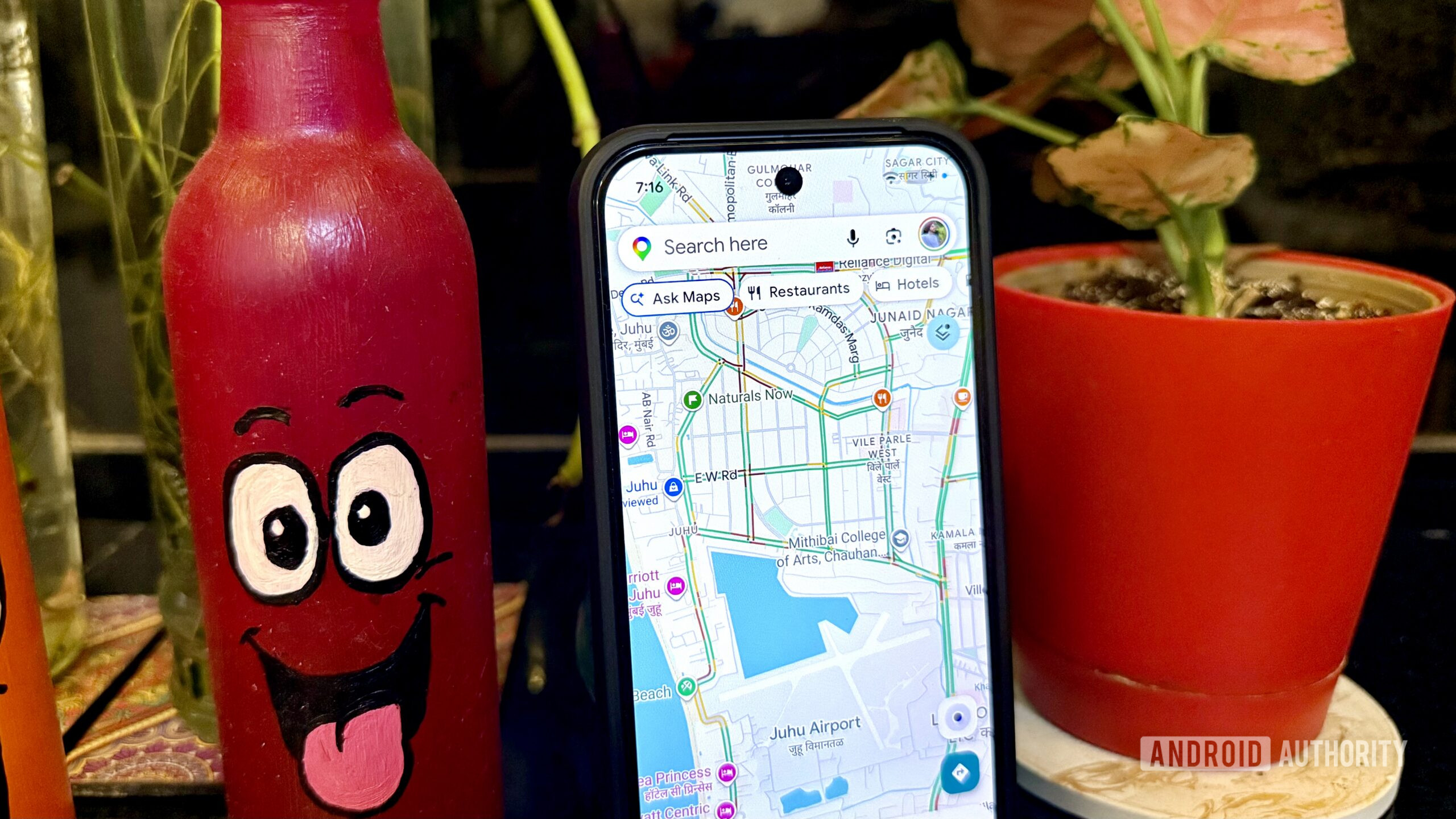
Navigating a novel city often feels like a gamble between finding a hidden gem and falling straight into a tourist trap. For years, travelers have relied on static reviews and star ratings to make these decisions, but the integration of generative AI is fundamentally changing how we explore the world. Google is now leaning heavily into this shift with the rollout of a Gemini-powered experience designed to make discovery more intuitive.
The center of this evolution is the “Ask Maps” feature, a Gemini-powered AI tool that allows users to interact with Google Maps using natural language. Rather than searching for a generic category like “best restaurants,” users can now ask complex, nuanced questions to get curated suggestions based on the vast amount of data Google has indexed from reviews, photos, and business profiles.
This update is being described as one of the most significant upgrades to the platform in over a decade via The Times of India
. By leveraging the reasoning capabilities of Gemini, the Google Maps AI feature helps avoid tourist traps by filtering through the noise of generic popularity to find places that actually match a user’s specific preferences.
The Rollout of Gemini-Powered ‘Ask Maps’
The deployment of these AI capabilities is expanding globally, with notable recent momentum in specific markets. For instance, Google has officially rolled out the Gemini-powered “Ask Maps” feature in India according to Travel and Leisure Asia
. This allows users in high-density urban environments, such as Mumbai, to navigate complex commutes and discover authentic local spots more efficiently. The core value of “Ask Maps” lies in its ability to synthesize information. Instead of a user scrolling through hundreds of reviews for a single restaurant to spot if It’s “too touristy,” the AI can analyze the sentiment and specific keywords across multiple reviews to provide a direct answer. This reduces the reliance on “top-rated” lists, which are often skewed by high volumes of casual tourists, and instead highlights locations that resonate with specific interests. Tourist traps typically rely on high visibility and generic appeal. The Google Maps AI feature helps avoid tourist traps by allowing users to apply highly specific constraints to their queries. When a user asks for something “authentic” or “hidden,” the AI looks for patterns in user-generated content that suggest a level of local preference over mass-market appeal. By utilizing Gemini, the tool can process complex prompts that traditional search bars cannot. For example, instead of searching for “dinner,” a user can ask for “a quiet place to eat that locals love but isn’t crowded with tourists.” The AI then cross-references this request with review data and business categories to suggest spots that fit that precise vibe. For those traveling in sprawling metropolises, the ability to plan commutes while simultaneously discovering “must-endeavor” locations is a significant productivity gain. The AI can help bridge the gap between different parts of a city—such as navigating from the northern districts to the southern hubs of a city like Mumbai—while suggesting points of interest that are worth the travel time. The utility of this feature extends beyond just finding food. It can be used to identify: This shift toward AI-driven discovery means that the “biggest upgrade in over a decade” is not just about the interface, but about the intelligence behind the recommendations via The Times of India
. The goal is to transform the map from a directory into a personal concierge. As Google continues to refine these AI tools, the focus remains on making technology accessible and engaging for the average user. By reducing the friction of discovery, the Google Maps AI feature helps avoid tourist traps and encourages a more authentic engagement with the locations we visit. With the integration of Gemini, the next phase of navigation will likely move toward even more predictive and personalized experiences. Users should maintain an eye on official Google Maps updates for further feature rollouts in their specific regions. Do you use AI to plan your travels, or do you prefer the traditional way of discovering a city? Share your experiences in the comments below.
How AI Filtering Reduces the ‘Tourist Trap’ Effect
Practical Applications for Global Travelers

Key Takeaways for Users