
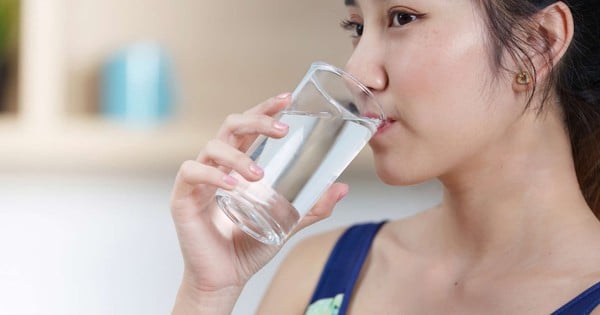
Many of us believe that simply drinking a lot of water is the key to staying hydrated. Yet, it is surprisingly common to feel a persistent sense of thirst even after consuming several glasses of water. This paradox often stems not from a lack of fluid intake, but from specific habits that interfere with how our bodies absorb and retain that moisture.
Understanding why you are still experiencing thirst despite drinking water is essential for maintaining optimal health. Proper hydration affects everything from cognitive function and energy levels to digestive health and skin elasticity. When the body cannot effectively utilize the water it receives, you may experience symptoms such as dry mouth, fatigue, and a general feeling of dehydration.
According to medical insights, several common lifestyle mistakes can undermine your hydration efforts. These range from the timing of your intake to the types of beverages you rely on. By identifying these patterns, you can shift from simply drinking water to achieving true cellular hydration.
Common Mistakes That Lead to Persistent Thirst
The way we consume fluids often dictates whether that water actually hydrates our tissues or simply passes through our system. Here are five common mistakes that can depart you feeling thirsty even when you drink plenty of water:
- Waiting until you are thirsty to drink: Relying on thirst as your only cue is often a mistake. By the time you feel thirsty, your body may already be in a state of mild dehydration. Establishing a regular drinking schedule is more effective than reacting to thirst.
- Drinking excessive amounts of water all at once: Consuming too much water in a single sitting can lead to it being flushed out of the system quickly rather than being absorbed efficiently by the cells.
- Relying on caffeinated beverages for hydration: While coffee and tea contribute to fluid intake, caffeine can act as a diuretic, potentially increasing fluid loss and leaving you feeling thirsty despite the liquid volume consumed.
- Neglecting hydration in the morning: Failing to replenish fluids immediately after waking up—following hours of sleep and respiratory water loss—can leave the body in a deficit that is difficult to overcome throughout the rest of the day.
- Ignoring hydration during and after exercise: Physical activity increases fluid loss through sweat. Failing to properly replace these fluids during and after a workout can lead to lingering thirst and slower recovery.
These habits are further highlighted in health guidance, such as the “8 glasses of water a day” habit, which encourages a consistent, distributed approach to fluid intake rather than sporadic, large amounts Hidoc News.
The Impact of Environment and Diet on Hydration
Beyond the act of drinking, external factors and dietary choices play a significant role in how your body manages water. Environmental conditions can accelerate fluid loss without you noticing. For example, spending long periods in air-conditioned indoor environments can dry out the skin and respiratory membranes, contributing to a feeling of dehydration.
Dietary habits also influence your thirst levels. Diets high in processed foods often contain high levels of sodium. Excess salt intake draws water out of the cells and into the bloodstream, which can trigger the brain to signal thirst even if you have recently had a drink. Conversely, a lack of physical activity can sometimes affect the body’s metabolic efficiency in processing fluids.
Understanding Daily Requirements
The amount of water a person needs varies based on age, gender, and activity level. For instance, nutritional standards for Korean adults in their 20s suggest a sufficient intake of approximately 2,600ml for men and 2,100ml for women Hello Health Blog. However, these numbers are general guidelines and should be adjusted based on individual health needs and environmental stressors.

Practical Strategies for Better Hydration
To overcome persistent thirst, it is helpful to move away from “reactive drinking” and toward “proactive hydration.” Instead of waiting for the sensation of thirst, try implementing a structured routine that supports your body’s natural rhythms.
Start your day with a glass of water immediately upon waking to jumpstart your metabolism and replenish overnight losses. Throughout the day, sip water consistently rather than gulping large quantities every few hours. If you enjoy caffeinated drinks, balance them by drinking an equal or greater amount of plain water to counteract the diuretic effects.
For those who struggle to remember to drink, creating a “body memory” habit can be effective. This involves tying water consumption to specific daily triggers—such as drinking a glass after every bathroom break or every time you transition between tasks at operate.
Key Takeaways for Optimal Hydration
- Avoid using thirst as your primary trigger; drink scheduled intervals of water.
- Distribute water intake throughout the day rather than drinking large volumes at once.
- Prioritize water over caffeinated drinks to avoid diuretic effects.
- Hydrate immediately upon waking and consistently during physical activity.
- Be mindful of salt intake and dry indoor environments (like air conditioning) that increase fluid needs.
Maintaining proper hydration is a continuous process of adjustment. By correcting these five common mistakes, you can ensure that the water you drink actually serves its purpose: hydrating your cells and keeping your body functioning at its peak.
If you continue to experience extreme thirst despite following these guidelines, it is recommended to consult a healthcare provider to rule out underlying medical conditions. Share your own hydration tips or questions in the comments below to help our community stay healthy.