
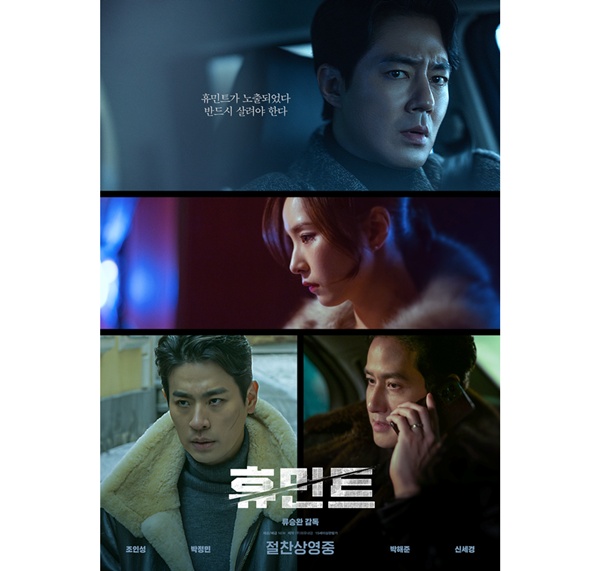
The allure of the big screen is proving surprisingly resilient in South Korea, even as streaming services continue to gain ground. A new action thriller, Huminnt, directed by Ryu Seung-wan, is drawing a significant audience, particularly among the 4050 demographic – those aged 40 to 59 – defying a broader trend of declining cinema attendance. This unexpected success suggests that compelling cinematic experiences, offering something beyond the convenience of over-the-top (OTT) platforms, can still captivate audiences and drive them back to theaters.
Released on February 11, 2026, Huminnt, starring Jo In-sung and Park Jung-min, has quickly become a box office hit. The film, which unfolds in the frigid landscapes of Vladivostok, centers on a clash between individuals with conflicting objectives. As of February 20, 2026, it had surpassed one million viewers in just seven days and secured the second-place position at the South Korean box office, demonstrating a robust and sustained performance. The film’s success is particularly noteworthy given the overall downturn in cinema attendance in recent years.
Ryu Seung-wan, known for his dynamic action sequences, has delivered what many critics are calling a defining work in the genre. The director seamlessly blends the speedy-paced energy of Veteran, the intense thrills of The Host (originally Moqadishu), and the sophisticated visuals of Smugglers. This combination creates a unique and captivating cinematic experience. The film’s appeal isn’t solely based on its action; it’s the nuanced character development and the emotional resonance that are setting it apart.
A Return to the Theaters: Why Huminnt is Resonating with the 4050 Generation
What distinguishes Huminnt is its ability to deliver both visceral action and genuine emotional depth. The film’s fight choreography is praised for its impactful physicality, while carefully placed rhythmic variations maintain a constant sense of tension. Ryu Seung-wan’s signature directorial style, characterized by lingering character moments, and the evocative soundtrack, featuring Shin Se-kyung’s poignant song, elevate the film beyond typical action fare. The stark contrast between the opulent interiors and the desolate streets of Vladivostok further enhances the film’s distinctive visual identity. Jo In-sung’s portrayal of Jo Gwang-jang, clad in a long coat, evokes the stylish aesthetic of 1980s Hong Kong action cinema.
This blend of classic cinematic elements is proving particularly appealing to the 4050 demographic. According to CGV’s audience data, the film’s viewership is nearly evenly split between men and women. The age breakdown reveals that 40-year-olds comprise 27% of the audience, followed by those in their 30s (25%) and 50s (20%). This suggests a strong connection with a generation that grew up with and appreciates these classic cinematic tropes. The film’s compelling narrative has drawn audiences despite an initially unfamiliar title and genre, demonstrating the power of strong storytelling.
The Rise of OTT and the Shifting Landscape of Film Consumption
The success of Huminnt is occurring against a backdrop of increasing OTT adoption among the 4050 generation. A 2025 survey by the Korea Communications Commission revealed that eight out of ten South Koreans utilize OTT services, with a particularly significant increase among those aged 40 and above. Specifically, OTT usage among 40-year-olds rose from 88.5% in 2023 to 90.7% in 2024 and further to 98.0% in 2025. Similarly, among those aged 50 and above, usage increased from 81.0% in 2023 to 85.9% in 2024 and 88.9% in 2025. As reported by the Chosun Biz, this trend has raised concerns about a potential decline in theater attendance.
annual cinema attendance in South Korea has been decreasing for three consecutive years. In 2023, total admissions reached 125.13 million, followed by 123.12 million in 2024, and 16.08 million in 2025. Despite these challenging circumstances, Huminnt’s strong performance underscores the enduring appeal of a truly immersive cinematic experience. The film offers something that streaming services, with their convenience and accessibility, often cannot replicate: a shared, large-screen experience that demands and rewards a dedicated outing.
Why Ryu Seung-wan Chose Park Jung-min for the Romantic Subplot
Director Ryu Seung-wan recently discussed his creative choices regarding the film’s romantic storyline. In an interview, he explained his decision to cast Park Jung-min, rather than Jo In-sung, in the role. Ryu Seung-wan stated that while Jo In-sung is perfectly suited for romantic leads, he felt the actor had reached a point in his career where a more nuanced, subtractive performance would be more compelling. According to Star News Korea, the director believed Park Jung-min could embody a character who serves as the foundation of the film, allowing other actors to shine. He likewise admitted that the strong reaction to Park Jung-min’s performance in the romantic scenes was unexpected, even for him.
This decision reflects a broader artistic vision for Huminnt, one that prioritizes character depth and ensemble dynamics over conventional tropes. The film’s success suggests that audiences are receptive to this approach, valuing complex characters and compelling narratives over predictable formulas. The director’s willingness to challenge expectations and take risks has clearly paid off, resulting in a film that resonates with a diverse audience.
The Future of Korean Cinema and the 4050 Audience
The success of Huminnt offers a glimmer of hope for the South Korean film industry, which has faced significant challenges in recent years. The film demonstrates that there is still a strong appetite for theatrical experiences, particularly among the 4050 generation. However, it also highlights the need for filmmakers to continue innovating and delivering high-quality content that can compete with the growing allure of OTT platforms. The ability to create films that offer a unique and immersive experience, coupled with compelling storytelling and strong character development, will be crucial for attracting audiences back to theaters.
Ryu Seung-wan’s work is part of a trilogy of films shot on international locations, following Berlin and Mogadishu. Huminnt was partially filmed in Latvia, capturing the distinctive atmosphere of Vladivostok. The director’s commitment to location shooting and his ability to create visually stunning films are key elements of his success. The combination of strong visuals, compelling narratives, and talented actors positions Ryu Seung-wan as a leading figure in contemporary Korean cinema.
Currently, Huminnt is playing in theaters nationwide in IMAX, Dolby Atmos, and 2D formats. The film continues to draw audiences, proving that the cinematic experience remains a powerful force in entertainment.
As Huminnt continues its run, the industry will be watching closely to notice if its success signals a broader trend. The next key indicator will be the performance of upcoming releases and their ability to attract the crucial 4050 demographic. Stay tuned to World Today Journal for continued coverage of the South Korean film industry and its evolving landscape.


