
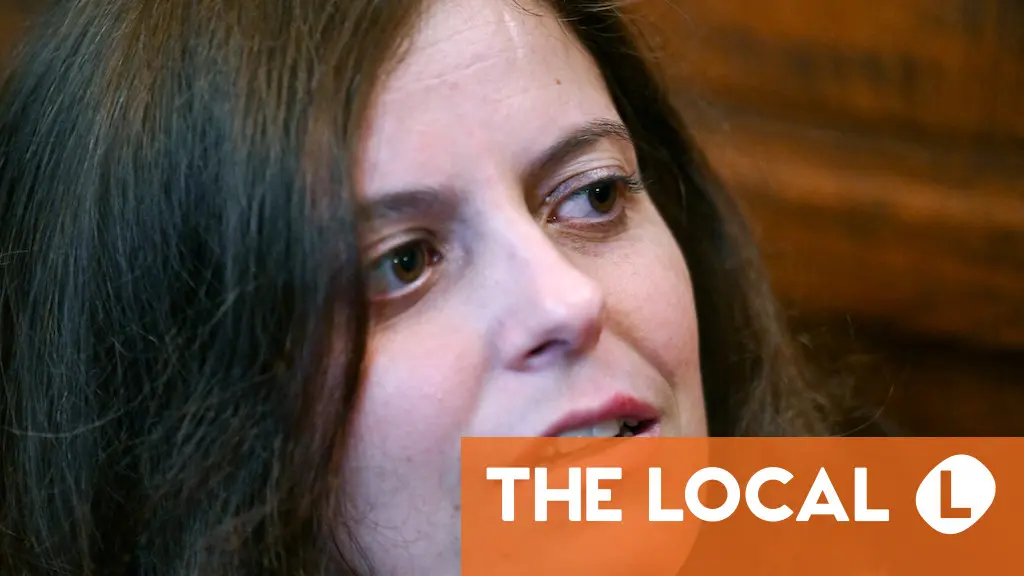
The Salis Case: A Deep Dive into Political Activism, Legal Battles, and EU Immunity
The case of Ilaria Salis, an Italian MEP, has ignited a firestorm of controversy, raising critical questions about political persecution, national sovereignty, and the limits of parliamentary immunity. This isn’t simply a legal dispute; it’s a clash of ideologies playing out on the international stage.Recent developments – specifically the European parliament’s narrow rejection of Hungary‘s request to waive Salis’s immunity – demand a closer examination. This article will unpack the complexities of the situation, offering balanced perspectives and exploring the broader implications for activists and the rule of law.
Understanding the Allegations and Arrest
In february 2023, Ilaria Salis was arrested in Budapest while participating in a counter-protest against a neo-Nazi rally. Hungarian authorities accused her of three counts of attempted assault and alleged involvement with an extremist left-wing organization. Salis vehemently denies these charges,asserting that her arrest and subsequent prosecution are politically motivated.
The initial detention and subsequent legal proceedings have been fraught with controversy. Salis spent over a year under house arrest before being released following her election to the European Parliament in June 2024,representing the Greens and Left Alliance (AVS). This election provided her with a degree of protection under parliamentary immunity.
The Immunity Debate: Hungary’s Request and the EU Response
Hungary sought to strip Salis of her parliamentary immunity to allow the legal proceedings against her to continue unhindered. This request triggered a debate within the European Parliament, pitting concerns about national judicial processes against the principle of protecting elected officials from politically motivated prosecution.
On Tuesday,October 7th,2025,the European Parliament narrowly rejected Hungary’s request by a vote of 306 to 305 in a secret ballot. This decision underscores the deep divisions within the EU regarding the handling of politically sensitive cases and the balance between national sovereignty and the protection of fundamental rights.
Perspectives on the Case: A Balanced View
The Salis case has drawn strong reactions from various stakeholders. Here’s a breakdown of the key perspectives:
* Supporters of Salis: View her as a victim of political persecution by the Hungarian government, arguing that the charges are fabricated and intended to silence dissent. They emphasize the concerning conditions of her detention and the perceived lack of due process.
* Hungarian Authorities: Maintain that Salis committed criminal offenses and that the legal proceedings are legitimate and based on evidence. They argue that waiving her immunity is necessary to ensure justice is served.
* European Parliament (Majority): By rejecting the immunity waiver, the Parliament signaled its concern about the potential for political manipulation and its commitment to protecting the rights of its members.
* Legal Experts: Offer varying opinions, with some highlighting the importance of respecting national judicial systems and others emphasizing the need for international oversight in cases involving potential political persecution.
Here’s a quick comparison of key aspects:
| Aspect | Hungary’s Position | Salis’s Position | EU Parliament’s Stance (Post-Vote) |
|---|---|---|---|
| Legality of Arrest | Lawful,based on evidence of assault | Politically motivated,lacking evidence | concerns about due process and potential persecution |
| Immunity waiver | Necessary for justice to be served | Would expose her to unfair trial | Protecting MEPs from undue legal pressure |



![LG Party Speaker: AI Vocal Remover for Karaoke & More | [Year]](https://i0.wp.com/platform.theverge.com/wp-content/uploads/sites/2/2026/01/stage-501-party-speaker.png?resize=150%2C100&ssl=1 "LG Party Speaker: AI Vocal Remover for Karaoke & More | [Year]")

