Xiaomi’s HyperOS 3.1: A game-Changing Quick settings Redesign is Coming
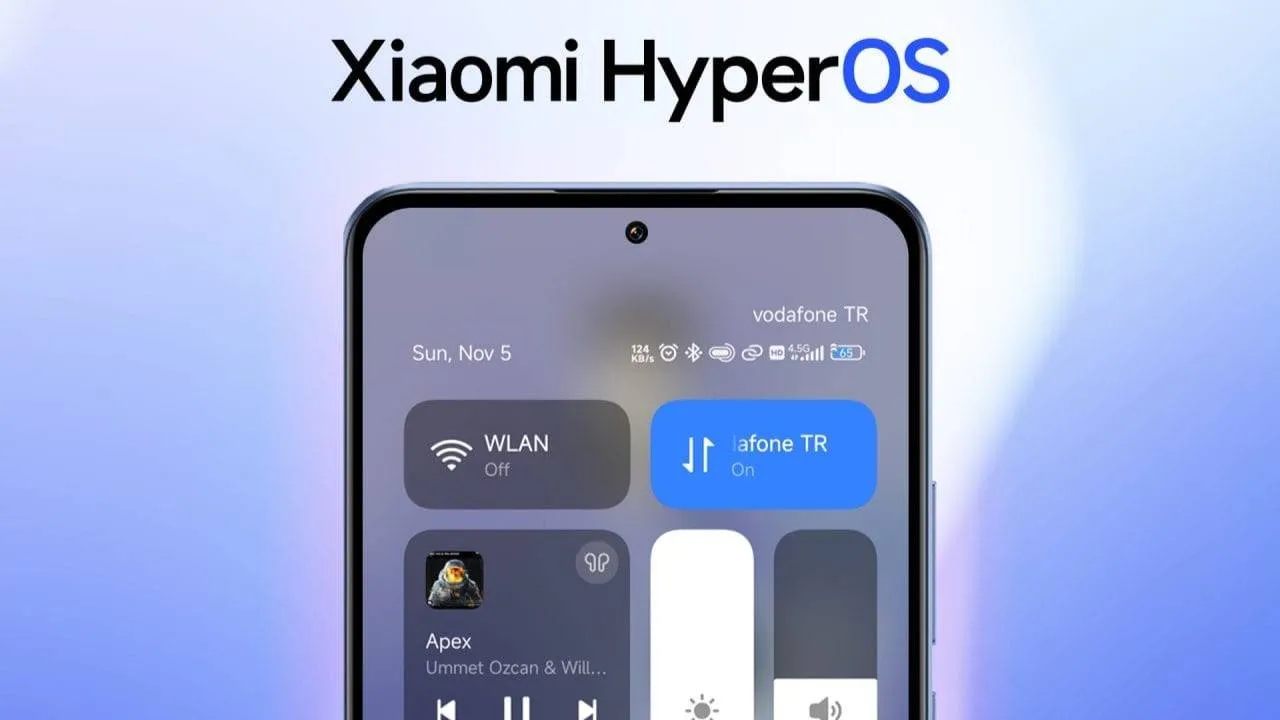
xiaomi is poised to substantially enhance the user experience with HyperOS 3.1, and the biggest buzz surrounds a potential overhaul of the Quick Settings panel. This isn’t a leap into the unknown; Google paved the way with Android 16, introducing a level of customization users have enthusiastically embraced.Now, it appears Xiaomi is ready to offer its loyal fanbase a similar degree of control.
Understanding the Android 16 Quick Settings Revolution
Google’s recent update fundamentally altered the Quick Settings experience, moving away from rigid layouts to a dynamic, adaptable system. Here’s what changed:
* Scalable Tiles: Icons can now shrink to compact 1×1 sizes or expand to more prominent 2×2 blocks.
* Drag-and-Drop Customization: A built-in editor allows you to effortlessly rearrange tiles to perfectly suit your needs.
* Enhanced Toggles: Core functions like wi-fi and Bluetooth now offer one-tap toggles for quicker access.
These seemingly small adjustments contribute to a noticeably smoother and more efficient daily user experience.
Why Xiaomi is Following Suit – And Why It Makes Sense
Xiaomi has consistently demonstrated a knack for adopting successful features from competitors. Their software philosophy often blends the best elements of both iOS and Android, aiming for a refined and user-centric experience. Apple already allows customization of its Control Center, and Google has now provided the foundational code with Android 16.
Given that HyperOS 3.1 is built upon android 16, integrating customizable tiles isn’t just feasible – it’s a logical and anticipated evolution. This move aligns with Xiaomi’s commitment to providing a flexible and personalized user interface.
What This Means for You, the Xiaomi User
The impact of this redesign extends beyond mere aesthetics. It’s about tailoring your phone to your specific needs and workflow. Consider these possibilities:
* Prioritized Access: Minimize less frequently used tools, like location services, while maximizing the size of essential ones like the flashlight or mobile hotspot.
* Contextual Layouts: Create different Quick Settings configurations for various scenarios. A frequent traveler might prioritize flight mode and boarding pass access,while a mobile gamer could highlight performance settings.
* Increased Efficiency: Reduce clutter and streamline access to the features you use most frequently enough.
Image of Xiaomi HyperOS 3.1 Quick Settings Concept – sourced from Gizchina
Addressing Existing Issues: A Smoother, More Reliable Experience
Beyond the customization options, Xiaomi is also addressing reported performance issues. Some hyperos 3.0 users experienced occasional freezing in the Control Center. According to sources, Xiaomi is actively working to resolve this in version 3.1. Combined with the new customization features, this update promises a genuinely improved experience, moving beyond a simple refresh.
when Can You Expect HyperOS 3.1?
While Xiaomi hasn’t officially announced a launch date, historical release patterns suggest a potential rollout in China around October 2025. Global availability will likely follow in the subsequent weeks. When it arrives, the customizable Quick Settings panel is expected to be a key highlight.
To sum up: Xiaomi’s anticipated HyperOS 3.1 update isn’t just about adding a new feature; it’s about empowering you to control your mobile experience. By embracing the versatility of Android 16’s Quick Settings and addressing existing performance concerns,Xiaomi is demonstrating a commitment to user satisfaction and innovation.Stay tuned for further updates as the launch date approaches.
Sources:
* [Gizchina – Android 16](https://www.giz



![CIOs: Aligning Tech & Business for Success | [Year] Trends](https://i0.wp.com/eu-images.contentstack.com/v3/assets/blt69509c9116440be8/blt67447c792ac58deb/69417806211d3e583ae91b64/IT_leadership.jpg?resize=330%2C220&ssl=1 "CIOs: Aligning Tech & Business for Success | [Year] Trends")