
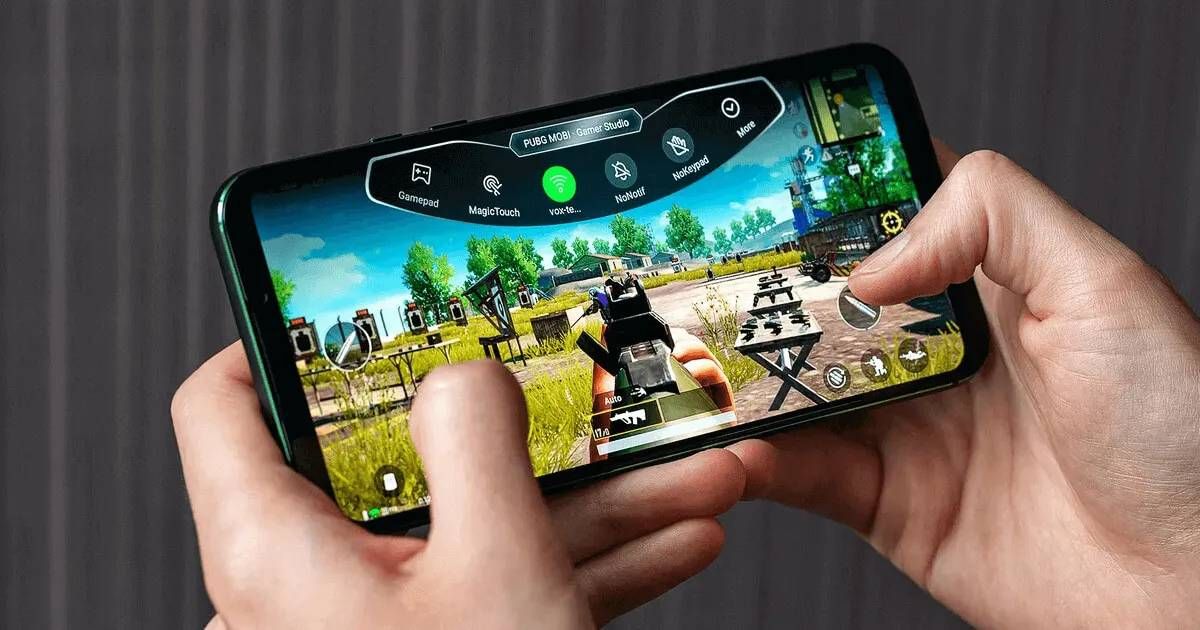
Xiaomi’s HyperOS 4: Ushering in a New Era of mobile Gaming
Xiaomi is poised to significantly elevate the gaming experience on its devices with the upcoming HyperOS 4, built upon the foundation of Android 17. This isn’t just a typical software update; it represents a strategic move towards blurring the lines between smartphones and dedicated handheld gaming consoles. Let’s explore how this growth could reshape mobile gaming as you know it.
The Foundation: Android 17’s Gaming Enhancements
Android 17 introduces crucial system-level improvements focused on game controller support.These changes are designed to provide a more seamless and intuitive gaming experience for all Android users.Specifically, Android 17 offers system-level game controller remapping, allowing for greater customization. A dedicated settings page will streamline controller setup, ensuring consistency across different games and devices.
HyperOS 4: Xiaomi’s Console-Like Vision
Xiaomi is uniquely positioned to capitalize on these Android 17 features with HyperOS 4. The company has a proven track record of optimizing performance, and this update appears to be a continuation of that commitment. Imagine your Xiaomi phone or tablet delivering a gaming experience comparable to modern handheld consoles – that’s the potential HyperOS 4 unlocks.
This timing is particularly noteworthy. Mobile gaming is rapidly evolving, with cloud gaming services, emulators, and cross-platform titles gaining immense popularity. A more adaptable control system arrives at the perfect moment for users who demand the most from their devices.
How HyperOS 4 Will Transform Your Gaming Experience
The impact of HyperOS 4 will be felt across several key areas. Virtual controller technology, a core component of Android 17, allows games to interpret software inputs as if thay were coming from physical hardware. This opens up exciting possibilities for compatibility and customization.
Cloud gaming and emulation are expected to see the most substantial improvements. You’ll likely experience reduced latency, enhanced graphics, and more responsive controls. Devices like the upcoming Xiaomi 15 series and future Xiaomi pad models are prime candidates to showcase these advancements.
Key Takeaways: what You Need to Know
Here’s a fast rundown of the most vital aspects of HyperOS 4 and its impact on gaming:
* Android 17 introduces system-level game controller remapping for enhanced customization.
* A new,dedicated settings page simplifies and standardizes controller setup.
* Virtual controller technology bridges the gap between software and hardware inputs.
* Xiaomi is leveraging these tools to create a console-like gaming experience with HyperOS 4.
* Cloud gaming and emulators are poised to benefit the most from these improvements.
Looking Ahead: The Future of Android Gaming
While the full rollout of Android 17 is still months away, the direction is clear. Google is refining the core functionality, and Xiaomi is stepping up to translate those changes into tangible benefits for gamers. With HyperOS 4, the distinction between a smartphone and a dedicated handheld gaming device is becoming increasingly blurred, promising a more immersive and enjoyable experience for all.





